

Broccoli is a popular vegetable belonging to the cruciferous family, Brassicaceae, which also includes cabbage, cauliflower and Brussels sprouts. This vegetable is known for its characteristic green color and tree-like structure, which can resemble a small tree. Broccoli originally comes from Italy, where it has been cultivated since Roman times. Its unique flavor and high nutrient content have made it a staple in many diets around the world.

Advertisement: The page displays ads and contains advertising links (affiliate links). See our advertisers here.
Broccoli is packed with important nutrients, making it a powerful component of a healthy diet. It contains a range of vitamins, minerals, fiber and antioxidants, all of which help promote good health. This vegetable can be prepared in many different ways, making it versatile in the kitchen. Whether you eat it raw, steamed, roasted or sautéed, it retains its health-promoting properties, making it a valuable addition to any meal plan.
Estimated reading time: 6 minutes
History and Origin
Broccoli was developed from wild cabbage plants in the Mediterranean region, and it was already a staple of Italian cuisine in Roman times. The name comes from the Italian word “broccolo”, meaning little shoot or sprout.
From Italy, broccoli slowly spread to the rest of Europe, but it wasn’t until the 1900s that it truly broke through internationally — partly thanks to Italian immigrants in the US. In Denmark, broccoli is today one of the most popular vegetables and is also grown commercially domestically.
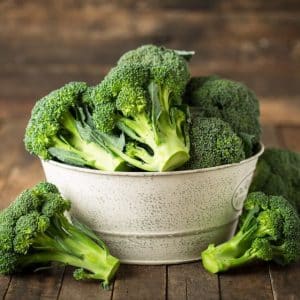
Broccoli Varieties
There are several different types of broccoli, each with its own unique characteristics. The most common variety is calabrese broccoli, which has large, green heads and thick stalks. Another popular type is broccolini, also known as baby broccoli, which has longer, thinner stalks and smaller heads. Broccoli Romanesco, with its characteristic spiral-shaped heads, is a more unusual variety also worth mentioning. Each type offers different flavors and textures, making it possible to vary your dishes and get the most out of this versatile vegetable.
Health Benefits of Broccoli
Nutritional Value of Broccoli
Broccoli is a true nutritional powerhouse. It’s low in calories but high in vitamins, minerals and other beneficial compounds. One cup of raw broccoli contains around 55 calories and is an excellent source of vitamin C and K. Vitamin C is essential for the immune system and skin health, while vitamin K plays an important role in blood clotting and bone health.
In addition, broccoli also contains significant amounts of vitamin A, folate, potassium and fiber. These nutrients contribute to everything from improved vision and nerve function to digestive health and blood pressure regulation. Broccoli is also rich in antioxidants like sulforaphane, which has been shown to have anti-inflammatory and cancer-fighting properties.
- Vitamin C — strengthens the immune system and skin
- Vitamin K — important for blood clotting and bones
- Folate — essential for cell division, especially during pregnancy
- Potassium — helps regulate blood pressure
- Fiber — supports healthy digestion
Rich in Vitamins and Minerals
Broccoli is one of the healthiest vegetables you can eat, thanks to its high content of vitamins and minerals. It’s particularly rich in vitamin C, which plays a crucial role in maintaining a strong immune system, promotes skin health and acts as a powerful antioxidant. In addition, broccoli also contains large amounts of vitamin K, which is important for blood clotting and bone health.
Broccoli also contains significant amounts of folate, which is essential for cell division and DNA synthesis, making it an important nutrient for pregnant women. Potassium, found in large amounts in broccoli, helps regulate blood pressure, and the fiber in broccoli supports healthy digestion. This combination of nutrients makes broccoli a fantastic vegetable for maintaining a healthy body and preventing chronic diseases.
Support for Heart Health
Broccoli can play an important role in maintaining heart health. The vegetable is rich in fiber, which can help lower cholesterol levels in the blood and thereby reduce the risk of heart disease. In addition, it also contains antioxidants like sulforaphane, which can help protect blood vessels from damage caused by inflammation.
The potassium content is also beneficial for the heart, as it can help regulate blood pressure. Low blood pressure reduces the risk of stroke and other heart diseases. Regular consumption of broccoli as part of a balanced diet can therefore help keep the heart healthy and reduce the risk of heart disease.
Flavor and Aroma
Broccoli has a mild, slightly bitter cabbage flavor with a fresh, green character. The florets have a more intense flavor than the stem, which, in turn, is sweeter and crisper — both parts can be used in cooking.
Preparation significantly changes the flavor. Steamed broccoli retains its fresh, green tone, while roasting in the oven or air fryer brings out nutty, slightly caramelized notes. Overcooked broccoli, on the other hand, develops a strong, sulfurous flavor — so it’s important to keep the cooking time short.
Culinary Use
Broccoli is one of the most versatile vegetables in the kitchen and works both as a side dish, in main courses and as a standalone snack.
In Danish Cuisine
In Denmark, broccoli is typically used as a steamed or roasted side dish for meat and fish, in gratins and pies, as well as in creamy broccoli soups. It’s also popular in salads, where lightly blanched florets add bite and color.
Internationally
In Italian cuisine, broccoli is tossed with pasta, garlic and chili, while in Asian wok dishes it’s quickly stir-fried with soy sauce and ginger. In the US, broccoli is a staple side dish for everything from grilled chicken to mac and cheese.
How to Prepare Broccoli
Steaming
Steaming is one of the best ways to prepare broccoli, as it retains the most nutrients. To steam broccoli, first cut it into smaller florets. Boil a little water in a pot and place a steaming rack over the water. Put the broccoli in the rack, cover the pot, and let it steam for 5-7 minutes, or until it’s tender but still crisp.
Roasting in the Oven or Air Fryer
Roasting is another popular method for preparing broccoli, as it gives a lovely, caramelized flavor. To roast broccoli in the oven, preheat the oven to 200°C. Cut the broccoli into smaller florets and spread them on a baking sheet. Drizzle with olive oil and season with salt and pepper. Roast in the oven for 20-25 minutes, or until the broccoli is golden and crisp. The air fryer can also be used for the same purpose, making it possible to prepare this vegetable in half the time and in a healthier way.
Sautéing
Sautéing is a quick and simple way to prepare broccoli that preserves both flavor and texture. Heat a little oil in a large pan over medium heat. Add the broccoli florets and sauté for 5-7 minutes, or until lightly browned and tender.
Use the broccoli stem, which is often discarded, to make a crispy and delicious snack.
Tips and tricks from the author
Cut the broccoli stem into thin slices, toss them in a little oil, salt, and optionally spices, and bake them in the oven until they turn crispy.
Broccoli in the Air Fryer — Step by Step
Total time: 15 minutes
- Prepare the florets
Cut the broccoli into even florets so they cook at the same time. Rinse them and pat them dry — wet broccoli will steam instead of crisping up.
- Season
Toss the florets in a little oil, salt and pepper. Optionally add garlic powder or chili flakes for extra flavor.
- Air fry
Cook at 190°C for 8-10 minutes. Shake the basket halfway through so the florets turn evenly golden.
- Check and serve
Check that the edges are crispy and lightly browned. Serve immediately — optionally with lemon juice or grated parmesan.
Selection and Storage
When choosing broccoli, look for firm, dark green heads with tight florets. Avoid broccoli with yellow flowers or limp stems, as this is a sign that it’s overripe. Store it in the refrigerator, wrapped in a plastic bag, to keep it fresh for up to a week. For longer storage, broccoli can be blanched and frozen.
How to Freeze Broccoli
- Blanch the florets for 2-3 minutes in boiling water
- Cool them quickly in ice water and let them drain well
- Freeze in airtight bags — they will keep for up to 12 months
When Is Broccoli in Season in Denmark?
In Denmark, broccoli is in season from June to October.
Tips for Growing Your Own
If you have a green thumb, you can try growing your own broccoli. It requires a sunny spot and well-drained soil.
- Choose a sunny spot with nutrient-rich, well-drained soil
- Water evenly — drying out results in small and bitter heads
- Harvest the head while the buds are still firm and closed
Try This Recipe
Broccoli is a perfect side dish for fish, where its fresh, green flavor balances the rich and spicy notes. Serve roasted broccoli florets with our Mexican Salmon in the Air Fryer – Juicy and Spicy in 20 Minutes — both can be prepared in the air fryer in under 20 minutes.
Equipment and Products
Broccoli and smoked fish are a classic combination in both salads and lunch dishes. Try tossing blanched broccoli florets with flakes of Cold-Smoked Salmon, a little lemon and a creamy dressing — a quick and nutrient-rich lunch.
Conclusion
Broccoli isn’t just a delicious and versatile vegetable, but also a nutritional powerhouse that can contribute to your overall health.
Frequently Asked Questions
Yes, broccoli is one of the most nutrient-rich vegetables. It’s rich in vitamin C and K, folate, potassium and fiber, as well as antioxidants like sulforaphane — while also being very low in calories.
Yes, raw broccoli can easily be eaten, for example in salads or as a snack with dip. Rinse it thoroughly first. Raw broccoli retains its full vitamin C content.
Typically 8-10 minutes at 190°C, depending on the size of the florets. Shake the basket halfway through so the broccoli becomes evenly crisp and golden.
Yes. Blanch the florets for 2-3 minutes in boiling water, cool them in ice water, and freeze them in airtight bags. Frozen broccoli keeps for up to 12 months.
Yes, the stem is both edible and tasty. Peel off the tough outer layer and cut it into thin slices or sticks — it’s sweeter and crisper than the florets.
Facts About Broccoli
| Field | Value |
|---|---|
| Danish name | Broccoli |
| Latin name | Brassica oleracea var. italica |
| Family | Brassicaceae |
| Origin | Italy |
| Season (DK) | June – October |
| Calories per 100g | Approx. 34 kcal |
| Nutrients | Vitamin C, K, folate, potassium, fiber, antioxidants |
| Culinary use | Steamed, roasted, sautéed, in air fryer |
| Storage | Refrigerated for up to a week; can be blanched and frozen |
