

Anise, known scientifically as Pimpinella anisum, is an aromatic plant that has been used for thousands of years for its unique flavor and medicinal properties. The anise plant originates from the Mediterranean region and the Middle East, but its popularity has spread to many parts of the world, including Denmark. The anise seeds are small and oval with a characteristic sweet flavor reminiscent of licorice.

Advertisement: The page displays ads and contains advertising links (affiliate links). See our advertisers here.
Estimated reading time: 13 minutes
Anise in the Culinary Landscape
In Denmark, anise holds a special place in the culinary landscape, where it is used in traditional dishes and baked goods such as anise kringles, cookies and rye bread. Its use also extends to beverages, where anise adds a distinct flavor to snaps and liqueurs. Besides its culinary uses, anise is also known for its medicinal properties and is used in natural medicine to treat various ailments such as digestive problems and coughing.
Anise is valued not only for its flavor but also for its cultural significance. Throughout history, anise has been associated with various traditions and ceremonies in Denmark and other countries. For example, anise seeds were once used as part of bridal trousseaus to bring luck and prosperity. Its versatility and beneficial properties make anise an important plant both in everyday life and in specialized applications.
Flavor and Aroma
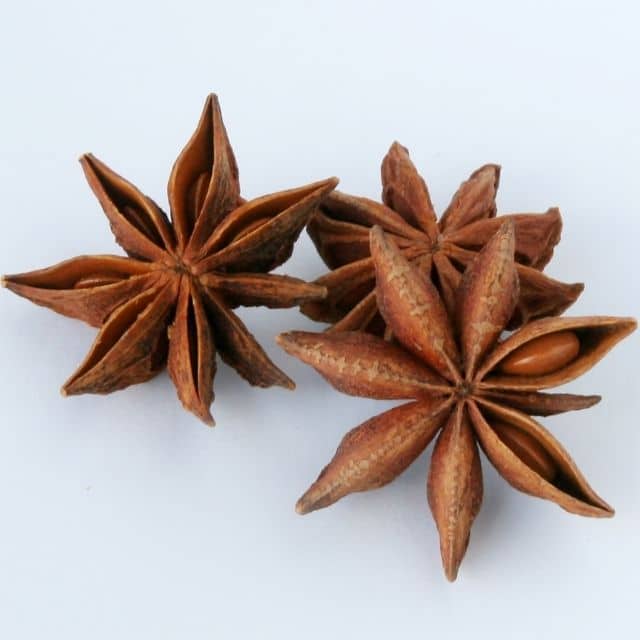
Anise seeds have a warm, sweet and distinctly licorice-like flavor that comes from the aromatic compound anethole — the same compound that gives fennel and star anise their related character. The aroma is floral and perfumed, and even a small amount leaves a clear mark on a dish.
Whole seeds give a milder, more rounded flavor, while crushed or ground seeds release the essential oils and become noticeably stronger. When baked, the flavor mellows and becomes softer and more caramel-like, which makes anise a classic Christmas spice in bread, cookies and confectionery.
Uses of Anise
Culinary Uses
In Danish cuisine, anise is a beloved ingredient that adds a characteristic sweet and aromatic flavor to a range of dishes and beverages. One of its most well-known uses is in baking, where anise is used to flavor traditional cakes and breads such as anise cakes, anise kringles and honey cakes. Its licorice-like flavor complements sweet ingredients and gives baked goods a unique aroma.
It is also used in the production of various types of snaps and liqueurs. The well-known “Anise Snaps” is a popular drink at Danish celebrations and holidays such as Christmas and Easter. By letting anise seeds steep in alcohol, the aromatic oils are released, resulting in a flavorful and fragrant drink. Anise is also a key ingredient in international spirits such as French pastis, Greek ouzo and Turkish raki, which testifies to its global significance.
In addition to sweet dishes, anise is used in spice blends for meat dishes, especially pork and lamb. Its sweet and aromatic profile can provide an interesting contrast to spicy and salty flavors. It can be used to marinate meat or as part of a rub for grilling. In soups and stews, anise can add depth and complexity to the flavor profile, making the dishes more exciting.
Anise seeds can be used whole for a milder flavor or crushed to release more of the essential oils. Anise oil, extracted from the seeds, can also be used as a concentrated flavoring agent in cooking and confectionery. This oil is potent and should be used sparingly to avoid overpowering other flavors.
The use of anise in Denmark is also linked to seasonal dishes. During Christmas, anise is often used in baking and beverages, contributing to the cozy atmosphere and traditional flavor associated with the holiday. Anise’s warm and sweet flavor is a perfect fit for the winter months and festive occasions.
Try using anise to infuse flavor into your syrups and sugar solutions. By adding anise seeds to a simple syrup, you can create an aromatic sweetener that can elevate the flavor of your cocktails, tea, coffee or desserts.
Tips and tricks from the author: Morten Jensen
Medicinal Uses
Anise has a long history in folk medicine in Denmark. It is often used in the form of tea or tinctures to relieve digestive problems such as bloating, stomach cramps and gas. Anise is also believed to have expectorant properties, making it useful in treating coughs, colds and other respiratory problems.
Health Benefits of Anise
Anise is known for its potential health benefits, mainly due to its content of essential oils, particularly anethole, which is responsible for its characteristic flavor and aroma. These oils have been shown to have anti-inflammatory, antibacterial and antifungal properties, which can help strengthen the immune system and protect against infections.
One of the most common uses of anise is its ability to promote healthy digestion. Anise can stimulate the production of digestive enzymes and reduce symptoms of dyspepsia, bloating and gas. Drinking anise tea after meals is a traditional practice in many cultures, including in Denmark, where it is used to relieve discomfort after heavy meals.
There is also research suggesting that anise may have estrogen-like effects, which can be beneficial for women experiencing hormonal imbalances. Anise can relieve symptoms of menopause, such as hot flashes, night sweats and mood swings. Some women use this herb as a natural supplement to support the menstrual cycle and reduce menstrual pain. However, it is important to be aware of these effects, especially for people with hormone-sensitive conditions.
Anise has also been used as a natural remedy for insomnia and anxiety. Its calming properties can help promote relaxation and improve sleep quality. Drinking a cup of anise tea before bedtime can be a simple way to enjoy these benefits. Some people also use anise oil in aromatherapy to reduce stress and promote mental clarity.
It is important to note that while anise has many potential health benefits, it should not replace conventional medical treatment. Always consult a healthcare professional before using anise as a supplement, especially if you have existing medical conditions or are taking medication.
Growing Anise
Ideal Growing Conditions
For those wishing to grow anise in Denmark, it is important to understand the plant’s specific needs to ensure a successful harvest. Anise thrives best in a warm and sunny climate, but with careful planning it can also be grown under Danish conditions. The plant prefers well-drained soil with a neutral to slightly alkaline pH, ideally between 6.0 and 7.5. It is crucial to choose a location in the garden that gets at least six to eight hours of direct sunlight daily.
When it comes to soil preparation, adding organic material such as compost or well-rotted manure can improve the soil’s fertility and structure. This will help the anise plant establish a strong root system. The seeds should be sown directly in the soil, as anise does not transplant well due to its long taproot. In Denmark, sowing should take place after the last frost, typically in late April or early May.
- Sowing depth: About 1 cm deep.
- Spacing between plants: 30 cm between plants and 60 cm between rows.
- Watering: Regular watering, especially during germination and in dry periods. Avoid overwatering.
The herb plant is generally resistant to many common plant diseases but can be susceptible to pests such as aphids and spider mites. Natural control methods, such as introducing beneficial insects or using insecticidal soap, can help control these pests. Good air circulation around the plants also reduces the risk of fungal diseases.
How to Grow Anise — Step by Step
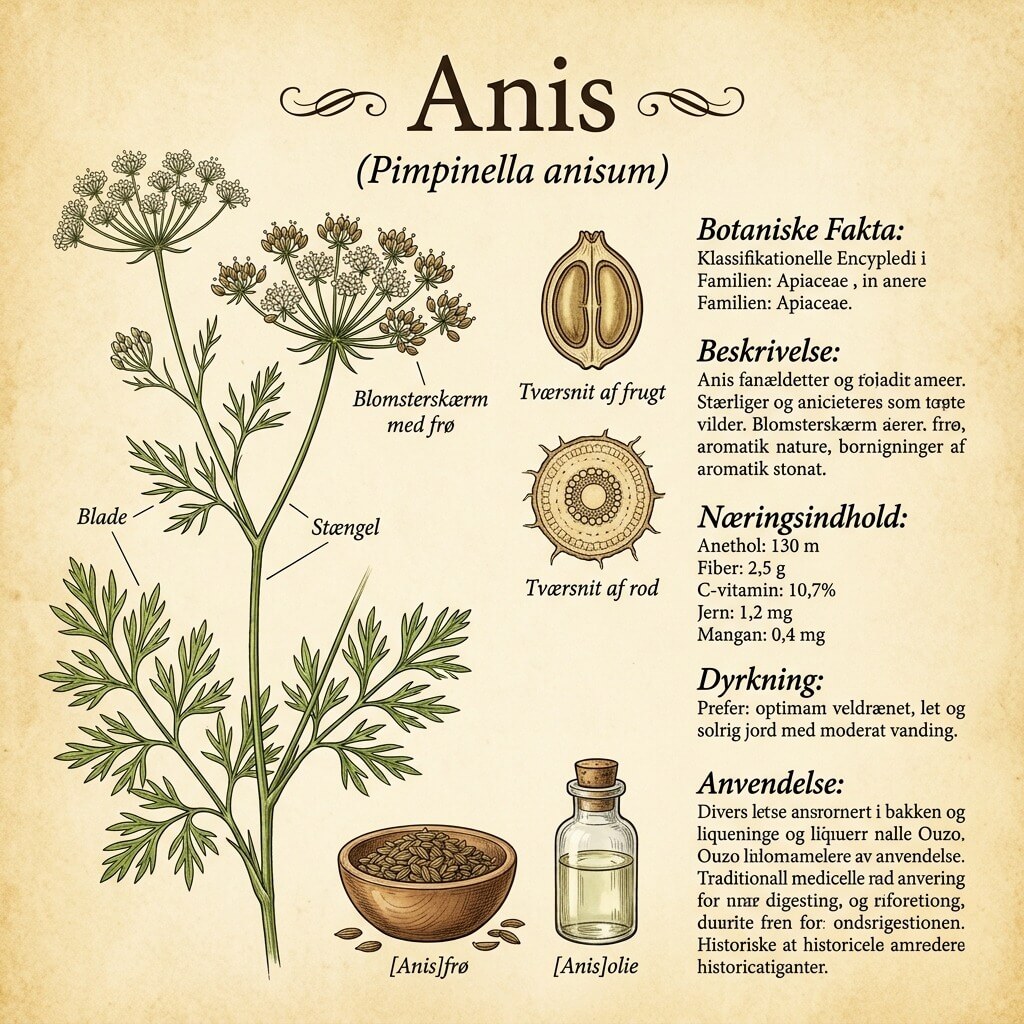
Anise is an annual umbellifer with a sweet licorice scent. It thrives best in sun, shelter and warm, well-drained soil. It has a taproot and does not respond well to transplanting — so sow it directly at its growing site or in pots that can be planted without disturbing the roots.
Total time: 4-5 months
- Choose location and soil
Choose a warm, sunny and sheltered spot with light, well-drained soil (neutral to slightly alkaline). Avoid heavy, wet soil, which produces weaker plants and less aroma.
- Sow the seeds
Sow directly outdoors when the soil is at least 10–12 degrees (typically late April–May). Cover the seeds 0.5–1 cm deep and keep evenly moist. Germination takes 10–20 days.
- Thin and tend
Thin to 15–20 cm between plants with 25–30 cm row spacing. Water evenly without standing water, and give only sparse, balanced fertilizer — too much nitrogen weakens the flavor.
- Harvest and dry the seeds
Harvest the seeds when 70–80 percent of the umbels are yellow-brown (Aug.–Sept.). Cut the umbels, tie them in bundles and hang them upside down in a paper bag in a dry place until the seeds fall off. Store airtight, dark and cool.
Risks and Precautions
Although anise is generally considered safe for most people, it is important to be aware of possible risks and side effects. Some individuals may experience allergic reactions to anise, which can manifest as skin rashes, itching, swelling or, in rare cases, anaphylaxis. People with a known allergy to plants in the same family as celery, carrots and parsley should exercise caution.
Anise contains compounds that can have hormonal effects, which may affect people with hormone-sensitive conditions such as breast cancer, uterine cancer or endometriosis. Pregnant and breastfeeding women should consult a doctor before consuming anise in larger amounts, as it may affect hormone balance.
Anise may potentially interact with medications metabolized by liver enzymes, as well as with blood-thinning medications such as warfarin. Excessive intake of anise oil can also be toxic and lead to symptoms such as nausea, vomiting and seizures. Therefore, anise oil should always be used with caution and at the recommended doses. Start with small amounts, observe your body’s reaction, and seek medical help if side effects occur.
Try This Recipe
Anise is a classic Christmas spice that feels right at home in sweet cookies. Its sweet licorice note fits perfectly into the kind of soft, jam-filled pastries you’ll find in our Linzer Augen in the Air Fryer – Austrian Christmas Cookies — with a bit of ground anise added, they get an extra layer of festive warmth.
Equipment and Products
Anise and spiced snaps go hand in hand in Danish Christmas and Easter tradition, where the aromatic seeds infuse their flavor into the alcohol. If you’d rather skip the home brewing, Hr.Skov Julesnaps is an obvious ready-made alternative for that anise touch of Christmas coziness.
Frequently Asked Questions
No. Anise is Pimpinella anisum, an umbellifer, while star anise is the fruit of Illicium verum, an evergreen tree. Their flavors are similar, but they are different plants and are used somewhat differently in the kitchen.
No. Anise is an annual plant and cannot tolerate frost, so it needs to be sown again every spring after the last night frost.
Anise needs warm, moist but not wet soil and relatively fresh seeds, as germination ability declines with age. Sow no deeper than 0.5–1 cm, and be patient for 10–20 days.
Store whole, dry seeds in an airtight jar in a dark, cool place. Grind them just before use for maximum aroma.
Culinary amounts are considered safe for most people. Avoid large doses of concentrated essential oil, and consult a healthcare professional if you have an illness, are pregnant, or have allergies.
Conclusion
Anise is a fascinating plant with a wide range of uses, spanning from the culinary to the medicinal. Its unique flavor and potential health benefits have made it a valued ingredient in Denmark and around the world. By understanding its growing needs, uses and the necessary precautions, one can take full advantage of what anise has to offer — whether you’re a gardener, a food enthusiast or interested in natural health solutions.
Facts About Anise
| Field | Value |
|---|---|
| Danish name | Anis |
| Latin name | Pimpinella anisum |
| Family | Umbellifer family (Apiaceae) |
| Plant type | Annual herb |
| Height | 40–60 cm (up to 80 cm in a sheltered spot) |
| Hardiness | Frost-sensitive; grown only during the growing season |
| Light | Full sun and shelter |
| Soil | Light, well-drained, preferably chalky; neutral to slightly alkaline |
| Sowing/planting | Direct sowing late April–May (soil ≥10–12°C); optionally pre-germinated in plantable pots |
| Flowering/Harvest | Flowers June–August; seeds harvested August–September |
| Flavor | Sweet licorice/anise note, warm and perfumed |
| Culinary use | Bread, cakes, confectionery, tea, spiced snaps; mild leaves in salads |
| Storage | Store whole dried seeds airtight, dark and cool; grind before use |
