

Avocado oil has become increasingly popular in recent years, both as a culinary tool and as a vital ingredient in skincare.

Advertisement: The page displays ads and contains advertising links (affiliate links). See our advertisers here.
In this guide, we explore the many benefits of avocado oil: its historical background, its uses in cooking, its health benefits and its role in skincare. Read on to discover how it can be a valuable addition to your daily routine.
Estimated reading time: 6 minutes
What Is Avocado Oil?
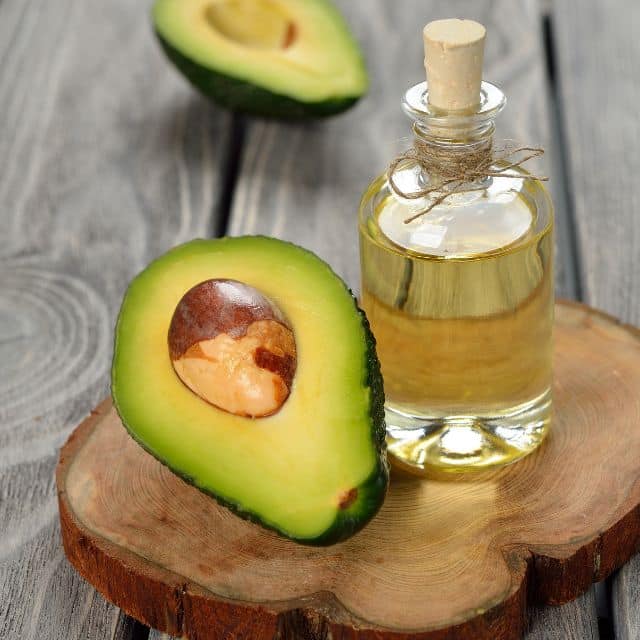
Avocado oil is a type of vegetable oil extracted by pressing the flesh of the avocado (Persea americana) – not the pit. The avocado is a tropical fruit native to Central America. The oil is known for its high concentration of monounsaturated fatty acids, especially oleic acid, and its rich content of antioxidants such as vitamin E. The oil has a mild, nutty flavor and a beautiful green color, making it a favorite among chefs and health-conscious consumers.
History and Origin
Historically, the avocado has been an important food in Mesoamerican cultures, where it was valued for its nutrition and healing properties. Avocado oil has been used for centuries, but it is only recently that it has gained global recognition for its many benefits.
Today, this oil is a staple in many households worldwide, not only as a cooking oil but also as an important component in natural beauty products.
Taste and Aroma
Avocado oil has a mild, slightly nutty flavor with a soft, creamy character. Cold-pressed varieties have the most pronounced avocado flavor and a deep green color from the flesh’s chlorophyll, while refined varieties are more neutral in both flavor and color. This subtle flavor profile makes the oil easy to use: it enhances the ingredients’ own flavor instead of dominating the dish.
Culinary Uses
Avocado oil is a versatile oil that can be used in many ways in the kitchen. Its mild flavor makes it ideal for salad dressings, marinades, and as an alternative to butter on bread. In addition, the oil has a high smoke point, which means it can be used for frying, grilling, and baking without breaking down or losing its health benefits. Many chefs prefer avocado oil for its ability to enhance the flavor of dishes without overpowering the natural flavor notes of the ingredients.
In the Danish Kitchen
In Denmark, avocado oil is gaining popularity as a versatile everyday oil that fits effortlessly into Danish cooking:
- Dressing for green salads and potato salad
- Marinade for chicken, fish and vegetables
- Brushing ingredients before the air fryer or grill
- Baking, where a neutral flavor is desired
In the Air Fryer
Avocado oil’s high smoke point makes it ideal for the air fryer, where the hot air typically works at 180-200 °C. Brush or spray a thin layer onto vegetables, meat or fish before cooking – this gives a crispy surface without the oil being damaged by the heat.
How to Make a Dressing With Avocado Oil
Total time: 5 minutes
- Measure the ingredients
Measure 3 tbsp avocado oil and 1 tbsp acid, e.g. lemon juice or white wine vinegar, into a small bowl.
- Season to taste
Add 1 tsp Dijon mustard, a little honey, and salt and freshly ground pepper.
- Whisk together
Whisk vigorously until the dressing comes together and becomes lightly creamy.
- Serve
Toss the dressing into the salad just before serving.
Health Benefits
Avocado oil is not only a fantastic oil for cooking; it also offers a range of health benefits. The oil is rich in heart-healthy monounsaturated fatty acids, which can help reduce bad cholesterol and improve overall cardiovascular health.
It also contains powerful antioxidants that help fight free radicals in the body and reduce inflammation. In addition, it is rich in vitamin E, known for its skincare benefits, including improving skin elasticity and promoting wound healing.
The Nutritional Profile of Avocado Oil
Avocado oil is remarkable for its nutritional profile. The oil consists mainly of monounsaturated fatty acids, making it one of the healthiest cooking oils on the market. It also contains a range of essential vitamins and minerals that contribute to its health properties.
Monounsaturated Fatty Acids
The most prominent fatty acid in avocado oil is oleic acid, a type of monounsaturated fat known for its heart-healthy properties. Oleic acid helps reduce inflammation and may also play a role in preventing certain chronic diseases, such as heart disease and cancer. This fatty acid is also known to improve insulin sensitivity, making it a good choice for those who want to maintain a stable blood sugar level.
Vitamins and Minerals
Avocado oil is also rich in a range of vitamins and minerals that contribute to its health benefits. Vitamin E is one of the most prominent nutrients, known for its antioxidant properties that protect the skin and body from damage caused by free radicals. It also contains vitamins A, D and K, all of which play a role in supporting various bodily functions, including the immune system, bone health and eyesight.
- Oleic acid: monounsaturated fatty acid that makes up the majority of the oil
- Vitamin E: antioxidant that protects the body’s cells
- Vitamins A, D and K: support the immune system, bones and eyesight
Using Avocado Oil for Cooking
Avocado oil is not only healthy but also extremely practical in the kitchen. One of its greatest advantages is its high smoke point, which makes it ideal for a range of cooking methods.
The Smoke Point of Avocado Oil
Avocado oil has one of the highest smoke points among vegetable oils, making it ideal for frying and grilling. The smoke point is around 271 °C, which means the oil can be heated to high temperatures without breaking down. This is important because when oils break down at high temperatures, they can form harmful compounds that may be damaging to health. With avocado oil, you can cook your meals at high heat while still preserving the oil’s nutrients.
A Substitute for Other Oils
Avocado oil can be used as a substitute for almost any other cooking oil, such as olive oil, coconut oil or canola oil. Its neutral flavor makes it suitable for a wide range of recipes, and its health benefits make it a preferred choice for those who want to improve their diet without compromising on taste.
Make a luxurious homemade mayonnaise. Avocado oil gives the mayonnaise a silky-soft texture and a subtle, nutty flavor that lifts classic mayonnaise to a whole new level. Just add a teaspoon to 1 dl of your favorite mayonnaise.
Tips and tricks from the author: Morten Jensen
Avocado Oil in Skincare
Avocado oil is also a popular ingredient in skincare products due to its moisturizing and nourishing properties. The oil is easily absorbed and penetrates deep into the skin, making it effective for treating dry and damaged skin. It is also known to promote collagen production, which can help reduce signs of aging, such as fine lines and wrinkles. Avocado oil can be applied directly to the skin as a natural moisturizer or as part of homemade beauty treatments.
The oil is particularly beneficial for people with sensitive skin, as it is mild and rarely causes irritation. In addition, avocado oil can also be used to soothe skin conditions such as eczema and psoriasis due to its anti-inflammatory properties. For those suffering from a dry scalp or damaged hair, avocado oil can also be used as a deep-conditioning hair treatment that adds moisture and nourishment to the hair.
Storage
Like other cooking oils, avocado oil is sensitive to light, heat and oxygen, which over time make the oil rancid. However, with proper storage, it retains its fresh, mild flavor for a long time:
- Store the bottle in a dark, cool place, e.g. a kitchen cupboard away from the stove
- Screw the lid on tightly after use so the oil doesn’t oxidize
- Unopened, the oil typically keeps for 12-24 months – check the date marking
- After opening, the oil should be used within about six months
- If the oil smells rancid or like paint, it should be discarded
Conclusion
Avocado oil is a versatile and nutrient-rich oil that offers a wide range of benefits for both health and beauty. Its high content of monounsaturated fatty acids and vitamins makes it an ideal choice for those who want to improve their heart health, reduce inflammation and care for their skin naturally.
Whether you use it in your cooking or as part of your beauty routine, avocado oil is a valuable addition to any healthy lifestyle. With its many uses, it’s easy to see why avocado oil has become a favorite among health-conscious consumers worldwide.
Try This Recipe
Avocado oil’s neutral flavor and high smoke point make it perfect as a base in marinades, where it carries acid and spices without stealing the show. Try it in the marinade for our Balsamic-Marinated Chicken in the Air Fryer – Tangy-Sweet Marinade and Glossy Glaze in 18 Minutes.
Equipment and Products
As Morten mentions in his tip above, a teaspoon of avocado oil lifts a classic mayonnaise to new heights. If you’re short on time, you can take the shortcut with a ready-made quality mayonnaise like Olive Oil Mayonnaise from our shop – and add the finishing touch with the oil yourself.
Frequently Asked Questions
Avocado oil is pressed from the flesh of the avocado – not the pit. The flesh naturally contains a lot of fat, which is extracted through cold-pressing or refining.
Yes, avocado oil has one of the highest smoke points among vegetable oils – around 271 °C for the refined type – making it well suited for frying, grilling and air frying.
The flavor is mild and slightly nutty. Cold-pressed avocado oil tastes most of avocado and has a green color, while refined oil is nearly neutral.
Avocado oil consists predominantly of monounsaturated fatty acids, especially oleic acid, and contains vitamin E and antioxidants. It is therefore considered one of the healthier cooking oils when used in moderate amounts.
In a dark, cool place, tightly sealed. Use an opened bottle within about six months, and discard the oil if it smells rancid.
Facts About Avocado Oil
| Field | Value |
|---|---|
| Source | The flesh of the avocado (Persea americana) |
| Extraction method | Cold-pressing or refining of the flesh |
| Smoke point | Approx. 271 °C (refined); lower for cold-pressed |
| Fatty acid profile | Predominantly monounsaturated fat (oleic acid) |
| Uses | Frying, air fryer, dressing, marinade, baking and skincare |
| Storage | Dark, cool and tightly sealed; opened bottle used within approx. 6 months |
