

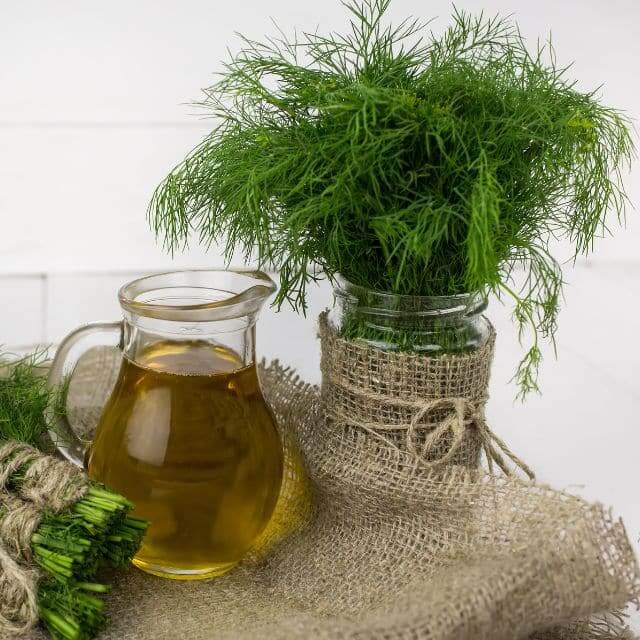
Dill (Anethum graveolens) is a popular herb known for its distinctive flavor and aroma. Its uses range from culinary dishes to medicinal purposes, and dill has a long history in both cooking and traditional medicine.

Advertisement: The page displays ads and contains advertising links (affiliate links). See our advertisers here.
Let’s take a look at the many benefits of dill, how it can be used in cooking, and how you can grow this versatile plant in your own garden.
Estimated reading time: 6 minutes
History and Origin
Dill has a rich history that goes back thousands of years. It originally came from the Mediterranean region and Western Asia, but has since spread throughout the world. In ancient times, dill was used by the Egyptians as a remedy for digestive problems, while the Greeks and Romans regarded it as a symbol of wealth and prosperity.
In the Middle Ages, this herb was used as a protective plant against witchcraft and evil spirits, and it also found use as a medicinal plant in many European households. Today, dill is a beloved ingredient in many dishes, especially in Scandinavian, Central European and Eastern Mediterranean cuisines.
Nutritional Value
Dill is not just a flavorful herb — it is also nutrient-rich and offers a range of health benefits. It contains several important vitamins and minerals that can strengthen your health.
The herb is rich in vitamin C, a powerful antioxidant that strengthens the immune system and protects the body against infections. Dill also contains vitamin A, which is essential for healthy vision and well-functioning skin. It is also a good source of folate, which is important for cell growth and metabolism. Likewise, the plant contains minerals such as calcium, iron and manganese, which contribute to healthy bones, oxygen transport in the blood and metabolic activity.
Flavor and Aroma
Dill has a light, fresh flavor that combines notes of anise and citrus with a hint of sweetness. The feathery leaves are mild and delicate, while the dill seeds have a more concentrated, almost cumin-like character. It is the essential oils, especially carvone and limonene, that give the herb its unmistakable scent.
The aroma is volatile and disappears quickly when heated, which is why fresh dill is usually added at the end of cooking or sprinkled over the finished dish. Its fresh flavor makes dill a natural partner for fish, shellfish, cultured dairy products and anything that needs a lift of freshness.
Culinary Use
Dill is a versatile herb that can enhance the flavor of many different dishes. Its fresh, lightly spiced flavor makes it a perfect addition to everything from salads and dressings to fish dishes and soups. It can also be used as a garnish, adding both flavor and visual appeal.
Mix freshly chopped dill with soft butter and add finely grated citrus zest (e.g. lemon or orange) to create a flavorful butter that can be used on fish, potatoes or as a spread for bread.
Tips and tricks from the author: Morten Jensen
In the Danish Kitchen
In Denmark, dill is inseparably linked to summer cuisine. It is a key ingredient in classics such as creamed potatoes with dill, dill sauce for poached cod, and freshly boiled shrimp with lemon. Dill is also a must when pickling cucumbers, and it lends its characteristic freshness to the classic Danish cucumber salad.
Internationally
Outside the Nordic region, dill plays a central role in many cuisines. In Eastern Europe and Russia, fresh dill is sprinkled over soups, potatoes and pickles in large quantities. In Greece, it is used in tzatziki and stuffed grape leaves, while in Iran and Turkey it is used in rice dishes and yogurt-based sauces. The combination of dill, salmon and cream has become an internationally recognized hallmark of Scandinavian cuisine.
Preparation and Good Pairings
Dill’s light flavor works well with a range of other ingredients. It pairs especially well with citrus fruits, garlic and olive oil, and it complements the flavor of fish, especially salmon and trout, as well as potatoes and cucumbers. It also works well with creamy ingredients such as yogurt and cream cheese. Classic uses include, among others:
- Dill dressing made from yogurt, garlic and lemon juice for salads and as a dip
- Dill butter for fried or baked fish
- Marinades for meat and vegetables
- Fresh, sprinkled over soups, new potatoes and shellfish
Health Benefits
In addition to its flavor, dill offers several beneficial properties when included as part of a varied diet.
Antioxidants and Anti-inflammatory Properties
Dill is rich in antioxidants, which play an important role in protecting the body’s cells from damage caused by free radicals. Its anti-inflammatory properties can help reduce inflammation in the body. Among the most important nutrients are:
- Vitamin C — an antioxidant that strengthens the immune system
- Vitamin A — important for vision and skin
- Folate — supports cell growth and metabolism
- Calcium, iron and manganese — bones, blood and enzyme function
Digestion and Immune System
Dill is known for promoting healthy digestion. It has traditionally been used to relieve bloating and digestive discomfort, and its carminative properties can help reduce gas in the stomach. At the same time, the herb’s vitamin C content helps strengthen the immune system, helping the body maintain a strong defense against infections.
Growing and Growth Conditions
Dill is a rewarding plant to grow and is suitable for both the vegetable garden and a pot on the windowsill. With the right conditions, it produces fresh leaves all summer long.
Growing Conditions
Dill thrives best in well-drained soil and full sun. It prefers slightly acidic to neutral soil and needs plenty of sunlight to develop its characteristic flavor and aroma. The plant can also tolerate a little shade, but the best results are achieved with full sun. Dill forms a deep taproot and doesn’t like being moved, so it is best sown directly where it is to grow.
How to Grow Dill
Total time: 6-8 weeks
- Choose a Location and Prepare the Soil
Choose a sunny spot with well-drained, slightly acidic to neutral soil. Sow directly where it is to grow, as dill doesn’t like being transplanted.
- Sow the Seeds
Sow the seeds thinly at a depth of about 1 cm from April to June. Keep the soil evenly moist until the seeds germinate after 1-2 weeks.
- Water and Care
Water regularly, especially during warm periods, but avoid overwatering. Water in the morning to reduce the risk of fungal diseases, and keep the area free of weeds.
- Harvest
Harvest the fresh leaves continuously once the plant is 15-20 cm tall. Trim as needed, and let some plants flower if you want to harvest dill seeds later in the season.
Watering and Fertilizing
Dill requires regular watering, especially during warm periods. It’s important to keep the soil evenly moist, but avoid overwatering, as this can lead to root rot. When it comes to fertilizing, dill is an undemanding plant. A light application of organic fertilizer or compost in spring can promote growth, but be careful not to over-fertilize, as this can result in a leggy plant with weaker aroma.
Storage
To get the most out of your dill, it’s important to store it correctly. Fresh dill is delicate and quickly loses its aroma, so it should be used as soon as possible.
Refrigeration
Fresh dill can be stored in the refrigerator in a plastic bag or standing in a glass of water, where it can stay fresh for several days. Cover the leaves loosely to retain moisture without them becoming soggy.
Freezing and Drying
- Chop the dill and freeze it in freezer bags, where it retains the flavor best
- Mix chopped dill with a little oil and freeze in ice cube trays for portioned use
- Dried dill loses some of its aroma but can be stored in an airtight container in a dark, dry place
Try This Recipe
Dill and salmon are one of the most classic flavor combinations of all. The fresh, slightly anise-like herb cuts through the richness of the fish and enhances its natural sweetness, and a sprinkle of fresh dill at the end lifts the whole dish. Try it with our Mexican Salmon in the Airfryer – Juicy and Spicy in 20 Minutes, where a touch of dill gives a fresh counterpoint to the spices.
Equipment and Products
Dill naturally brings to mind dishes with fish, shellfish and pickled ingredients. If you want to experiment with dill’s sweeter side, Noormann Uhmnika Pear Compote with Dill Crown and Lemon is an exciting product where dill meets fruit and citrus in an unexpected yet well-balanced combination.
Frequently Asked Questions
Dill is perfect for fish and shellfish, especially salmon, as well as for new potatoes, cucumber salad, dressings and pickled vegetables. Its fresh flavor also works well in yogurt- and cream-cheese-based sauces.
Dill’s aroma is volatile and disappears when heated. Therefore, add fresh dill at the end of cooking or sprinkle it over the finished dish to preserve its flavor and scent.
Yes. Chop the dill and freeze it in freezer bags, or mix it with a little oil and freeze in ice cube trays for portioned use. Freezing preserves the flavor better than drying.
The leaves are mild and fresh with notes of anise and citrus, while the seeds have a stronger, more cumin-like flavor. The seeds are mainly used in pickling brine and bread, while the leaves are used fresh in dishes.
No, dill is easy to grow in full sun and well-drained soil. Sow the seeds directly where they are to grow, as the plant doesn’t like being transplanted, and harvest the leaves continuously throughout the summer.
Facts About Dill
| Field | Value |
|---|---|
| Latin Name | Anethum graveolens |
| Family | Carrot family (Apiaceae) |
| Plant Type | Annual herb |
| Origin | Mediterranean region and Western Asia |
| Light | Full sun |
| Soil | Well-drained, slightly acidic to neutral |
| Sow/Plant | April to June, sown directly |
| Harvest | June to September |
| Taste | Fresh, with notes of anise and citrus |
| Culinary Use | Fish, shellfish, potatoes, dressings, pickles |
| Storage | Refrigerated for a few days, frozen or dried |
