

Parsley (Petroselinum crispum) is one of the most widely used herbs in the world, known for its fresh flavor and many health benefits. The plant is used both as a garnish and as an important ingredient in many dishes, and it also has a long history as a natural remedy.

Advertisement: The page displays ads and contains advertising links (affiliate links). See our advertisers here.
In this article, we explore the many ways parsley can be used in everyday life, as well as how you can grow the herb at home.
Estimated reading time: 6 minutes
History and Origin
Parsley has a rich history dating back to antiquity, where it was used in both Greek and Roman cultures. The Greeks considered the herb sacred, and it was often used in ceremonies and to adorn victory wreaths. The Romans used the plant in their cooking and as a remedy to freshen the breath. In the Middle Ages, parsley was grown in monastery gardens and used to treat a range of ailments.
Today, parsley is an indispensable part of many kitchens around the world, known for its ability to add freshness and color to any dish.
Flavor and Aroma
Parsley has a fresh, green and slightly peppery flavor with a subtle bitterness that lifts both hot and cold dishes. The scent is clean and grassy, which is exactly why the herb works as a natural counterbalance to rich and heavy dishes.
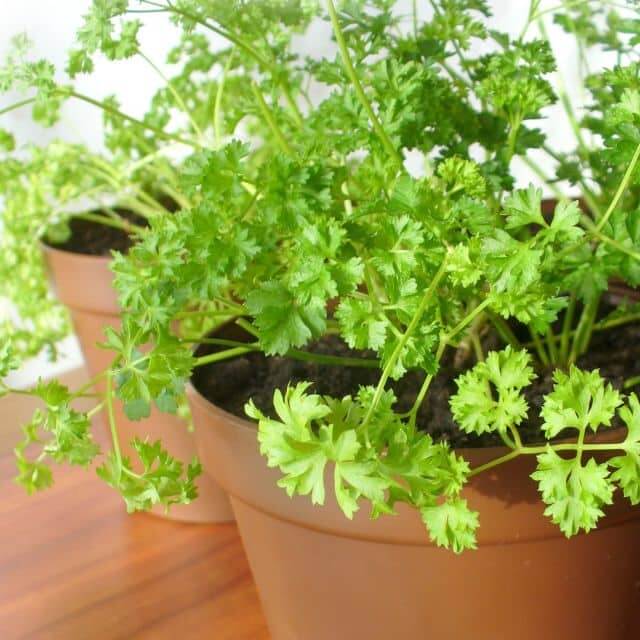
There are two main types: curly parsley, with its characteristic curly leaves and a mild, crisp flavor, and flat-leaf parsley (also called Italian parsley), which has a stronger, more aromatic taste. Flat-leaf parsley is often preferred for cooking, while curly parsley is the classic choice for garnishing and parsley sauce.
Culinary Uses
Parsley is a versatile herb that can be used in many ways. From its role in cooking to its use in natural medicine, the plant is a valuable resource in everyday life.
In the kitchen, parsley is known for its fresh, slightly bitter flavor, which suits a wide range of dishes. It is often used as a garnish on soups, salads and meat dishes, where it adds color and freshness. The herb is also a key ingredient in many classic dishes such as tabbouleh and parsley sauce. It adds a fresh, green flavor that goes perfectly with salads, soups and sauces, and it can also be used to flavor smoothies and juices.
In the Danish Kitchen
In Denmark, parsley is a staple in parsley sauce served with fried pork belly (stegt flæsk), sprinkled over new potatoes, and mixed into the fish cake mixture. There are many ways to use parsley in the kitchen: it can be added to a green salad for an extra dimension of flavor, or used in a parsley sauce to add depth to meat dishes. The plant is also excellent in homemade dips, where it lends a fresh, spicy flavor.
Internationally
Internationally, parsley is the backbone of Middle Eastern tabbouleh, French persillade with garlic, and Italian gremolata with lemon zest, while flat-leaf parsley plays the leading role in Argentina’s green chimichurri.
Preparation
Parsley works well with many other ingredients. It pairs particularly well with lemon, garlic and olive oil, as well as with herbs such as basil and oregano. The plant can also be combined with nuts and seeds to create complex flavor profiles in dishes. Add fresh parsley at the very end when cooking hot dishes — prolonged heat exposure costs both flavor and color.
Parsley stems have a concentrated flavor that can add extra depth to your dishes. Instead of throwing them away, you can tie them together with string and add them to boiling stock, soups or stews. Let them simmer with the rest of the ingredients and remove them before serving.
Tips and tricks from the author: Morten Jensen
Health Benefits
Nutritional Value
Parsley is not only known for its flavor, but also for its impressive nutritional value. The plant is rich in vitamins and minerals that can strengthen your health. It contains high levels of vitamin K, which is important for bone health and blood coagulation. In addition, the herb is a good source of vitamin C, which boosts the immune system and protects the body against illness.
The plant also contains vitamin A, which is essential for eyesight and skin health. In addition, the herb is rich in iron, calcium and magnesium, all of which play important roles in the body’s functions.
- Vitamin K: important for bone health and blood coagulation
- Vitamin C: boosts the immune system
- Vitamin A: supports eyesight and skin
- Iron, calcium and magnesium: important minerals for the body’s functions
Antioxidant and Anti-Inflammatory Properties
Parsley is rich in antioxidants, which protect the body’s cells from damage caused by free radicals. This damage can lead to inflammation and increase the risk of chronic disease. The plant also has anti-inflammatory properties that can help reduce inflammation in the body and relieve symptoms of conditions such as arthritis.
Digestive Health and Immune Support
Parsley is known for promoting healthy digestion. It can help relieve digestive discomfort and reduce bloating. The plant also has carminative properties, meaning it can reduce gas and promote more efficient digestion. The herb also strengthens the immune system and protects the body against infections.
Natural Medicine
Parsley has long been used in natural medicine for its healing properties. The plant is known for having diuretic properties, which makes it effective in helping to cleanse the body and promote kidney health. The herb is also used to relieve digestive issues and to strengthen the immune system.
Skin and Hair Care
Parsley is also used in beauty care, where its high content of vitamins and antioxidants makes it an effective ingredient in skincare products. The plant can help cleanse the skin and reduce inflammation, making it a good choice for those who want to maintain healthy, clear skin.
Parsley also has benefits for skin and hair. Its antibacterial properties make it an effective treatment against acne and other skin problems. When it comes to hair care, the plant can help strengthen the hair and improve scalp health. Parsley oil is often used in shampoo and conditioner to promote healthy, shiny hair.
Growing
Soil and Location
Parsley thrives best in well-drained soil and in partial shade to full sun. The plant prefers slightly acidic to neutral soil and requires regular watering to keep the soil moist, but not wet. It can also be grown in pots or in an herb garden, where it will spread and fill the area with its fresh scent.
Indoor and Outdoor Planting
Parsley can be grown both indoors and outdoors. If you plant it indoors, make sure the plant gets plenty of light, preferably in a south-facing window. Outdoors, parsley thrives best in a warm, sunny spot, but it can also manage in partial shade. The plant is hardy and can overwinter in most climates, making it easy to grow in the garden.
Watering
Parsley requires moderate watering, but it’s important to avoid overwatering, as this can lead to root rot. Make sure the soil stays evenly moist, especially during warm periods. Water the plant in the morning to reduce the risk of fungal disease, and make sure excess water can drain away.
Fertilizing
Parsley is an undemanding plant, but light fertilizing in spring can promote growth and health. Use organic fertilizer or compost to give the plant the nutrients it needs. Over-fertilizing, however, can lead to weak growth, so it’s best to fertilize sparingly.
How to Grow Parsley
Total time: 10-12 weeks
- Sow the seeds
Sow parsley seeds from March indoors or from April directly at the growing site. The seeds germinate slowly — allow 2-4 weeks.
- Thin out and transplant
Thin the plants to about 15 cm apart, or transplant the pre-sprouted plants into nutrient-rich, well-drained soil.
- Water and care
Keep the soil evenly moist, and add a little compost along the way if needed. Water in the morning to avoid fungal disease.
- Harvest continuously
Harvest the outer stalks first, once the plant is well established — that way it will keep producing new leaves throughout the season.
Storage
In the Fridge
To get the most out of parsley, it’s important to store it correctly. Fresh parsley can be kept in the fridge in a plastic bag or in a glass of water, where it will stay fresh for up to a week.
Drying and Freezing
If you have surplus herbs, they can be dried by hanging them in a dry, dark place. Dried herbs can be stored in an airtight container for up to a year.
- Freeze chopped parsley in ice cube trays with a little water or oil
- Dry bunches in a dark, airy place, and store them airtight
- Rinse the parsley just before use — moisture shortens shelf life
Try This Recipe
Parsley’s fresh, slightly peppery flavor is practically made for fish. In fish cakes, it binds the mixture together and adds a green freshness that balances the rich salmon. Try our recipe for Salmon Cakes in the Air Fryer – Crispy Without Oil in 12 Minutes.
Equipment and Products
Parsley is a classic ingredient in herb butter, where its fresh flavor melts into the butter and elevates fish, meat and vegetables alike. If you’d rather skip the chopping, try Kystfiskens Herb Butter from our shop.
Frequently Asked Questions
Curly parsley has curly leaves and a mild, crisp flavor, and is mainly used for garnishing and parsley sauce. Flat-leaf parsley, also called Italian parsley, has a stronger, more aromatic flavor and is often preferred for cooking.
Yes. The stems have a concentrated flavor and are great finely chopped in sauces and dips, or tied together and simmered in stock, soups and stews — just remove them before serving.
Stand the bunch in a glass of water in the fridge, or wrap it in slightly damp paper in a bag. This keeps the parsley fresh for up to a week. Chopped parsley can also be frozen.
Yes, parsley is rich in vitamin K, vitamin C and vitamin A, as well as iron, calcium and magnesium. In the amounts used in cooking, most people can eat it without any problems.
Yes, parsley thrives well in a pot in a bright, preferably south-facing window. Keep the soil evenly moist, and harvest the outer stalks continuously so the plant keeps producing new leaves.
Facts About Parsley
| Field | Value |
|---|---|
| English name | Parsley |
| Latin name | Petroselinum crispum |
| Family | Apiaceae (the carrot family) |
| Plant type | Biennial herb, usually grown as an annual |
| Height | 25-40 cm |
| Hardiness | Hardy, tolerates light frost |
| Light | Full sun to partial shade |
| Soil | Nutrient-rich, well-drained and evenly moist |
| Sow/plant | March-June, germinates in 2-4 weeks |
| Harvest | June-October, ongoing |
| Flavor | Fresh, green and slightly peppery |
| Culinary use | Parsley sauce, salads, soups, fish, herb butter |
| Storage | Refrigerated for up to a week; can be frozen and dried |
Conclusion
Parsley is a versatile herb that offers many health benefits and culinary uses. Whether you use the plant in your dishes, as part of your beauty routine, or as a natural remedy, parsley adds value to your everyday life. With its fresh flavor, easy cultivation and beneficial properties, parsley is a herb well worth including in both the kitchen and the garden.
