

Rosemary (Rosmarinus officinalis) is a popular herb that not only graces many kitchens around the world, but also has a rich history and many uses in medicine and natural remedies.

Advertisement: The page displays ads and contains advertising links (affiliate links). See our advertisers here.
Let’s dive into the many benefits of this herb together, including its health benefits, culinary uses, and how to grow this versatile plant at home.
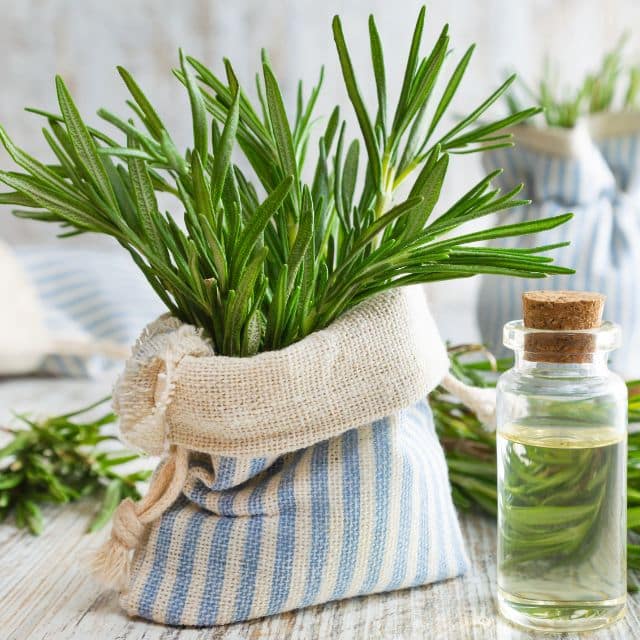
Estimated reading time: 8 minutes
History and Origin
Rosemary has been prized for thousands of years for its medicinal and culinary properties. The plant originates from the Mediterranean region, where it has been used since ancient times. In ancient Greece and Rome, the plant was considered sacred, symbolizing love, fidelity, and remembrance. It was often used in religious ceremonies and as a protective amulet.
In medieval Europe, it was used to ward off evil spirits and protect against plague. The medicinal use of this herb was documented by prominent physicians such as Dioscorides and Galen, who recommended the plant for a range of ailments, including digestive problems and respiratory illnesses.
Today, the herb remains an important part of both the culinary world and alternative medicine, where its potent aroma and healing properties are valued around the world.
Flavor and Aroma
Rosemary has a strong, pine-like aroma and a bitter, slightly peppery flavor with notes of citrus and camphor. The flavor is robust and holds up well to long cooking times, making rosemary one of the few herbs that can be added early in the cooking process.
Both fresh and dried needles can be used. Dried rosemary has a more concentrated flavor, so a smaller amount goes a long way — as a rule of thumb, about a third of the fresh amount.
Nutritional Value
Rosemary is not only known for its distinctive scent and flavor, but also for its impressive nutritional profile. The herb is rich in vitamins, minerals, and antioxidants that can contribute to good health.
Rosemary contains significant amounts of vitamin A, vitamin C, and vitamin B6, all of which are essential for the body’s immune system and skin health. Vitamin A is crucial for vision and cell growth, while vitamin C acts as a powerful antioxidant that protects cells from damage caused by free radicals. Vitamin B6 plays an important role in brain development and neurotransmitter function.
Minerals such as iron, calcium, and magnesium are also present. Iron is necessary for transporting oxygen around the body, while calcium is important for healthy bones and teeth. Magnesium contributes to muscle and nerve function as well as blood sugar regulation.
In addition, rosemary is a source of fiber, which is important for healthy digestion. The many antioxidants in the plant, including rosmarinic acid and carnosol, contribute to the herb’s anti-inflammatory properties, which can help protect the body against chronic disease.
- Vitamin A – important for vision and cell growth
- Vitamin C – antioxidant that protects cells
- Vitamin B6 – supports the brain and neurotransmitters
- Iron, calcium and magnesium – oxygen transport, bones and muscles
- Fiber – important for healthy digestion
Health Benefits
Antioxidant and Anti-Inflammatory Properties
Rosemary is rich in antioxidants, including rosmarinic acid, carnosol, and carnosic acid, which play a crucial role in protecting the body’s cells from damage caused by free radicals. These free radicals are unstable molecules that can cause oxidative stress, leading to inflammation and increasing the risk of chronic diseases such as heart disease and cancer.
The anti-inflammatory properties of rosemary help reduce inflammation in the body, which can relieve symptoms of inflammatory conditions such as arthritis and chronic pain. Rosemary’s ability to modulate the body’s inflammatory response makes it a valuable addition to an anti-inflammatory diet.
Cognitive Function and Brain Health
Rosemary has long been associated with improved memory and cognitive function. Research shows that rosemary can help increase concentration, alertness, and memory retention. This is mainly due to rosemary’s content of carnosic acid, which has neuroprotective properties.
Carnosic acid helps protect the brain against neurodegenerative diseases such as Alzheimer’s and Parkinson’s by reducing damage caused by free radicals and inflammation in the brain. In addition, studies have shown that inhaling rosemary’s aroma can improve mental performance, making rosemary a popular herb for those looking to boost their cognitive abilities.
Digestive Health and Immune Support
Rosemary also has a positive effect on the digestive system. It stimulates the production of bile, which helps digest fats more effectively. This can relieve symptoms of indigestion, bloating, and constipation. In addition, rosemary has antimicrobial properties that can help fight bacterial infections in the digestive system.
Rosemary also strengthens the immune system by increasing the body’s resistance to infections. The antioxidant properties of rosemary play a central role in protecting the immune system from damage, helping the body fight off illness more effectively.
Skin and Hair Care Benefits
Rosemary is known for its positive effects on both skin and hair. When it comes to hair care, rosemary oil is often used to promote hair growth by improving blood circulation in the scalp. This can lead to thicker, healthier hair. In addition, rosemary oil can help reduce dandruff and dry scalp thanks to its moisturizing properties.
On the skin, rosemary can help combat acne and unwanted skin conditions thanks to its anti-inflammatory and antimicrobial properties. Rosemary can also promote an even skin tone and reduce the appearance of dark spots and scars.
Culinary Uses
In the kitchen, rosemary is known for its strong, pine-like aroma and bitter, slightly peppery flavor, which pairs well with a wide range of dishes. Rosemary is often used in Mediterranean dishes, where it adds depth to everything from grilled meat and poultry to potatoes and vegetables. Its robust flavor means it’s often used in small amounts, but its presence can elevate a dish to new heights.
Use sturdy rosemary sprigs as skewers to grill small pieces of meat, vegetables, or fruit. The natural oil in the rosemary will infuse the food during grilling, adding a subtle, aromatic flavor.
Tips and tricks from the author: Morten Jensen
How to Incorporate Rosemary into Your Cooking
Rosemary is a versatile herb that can elevate the flavor of many different dishes. It pairs particularly well with meat dishes like lamb, beef, and poultry, but can also be used to give vegetables, soups, and bread a unique flavor. Adding rosemary during cooking enhances the dish with its intense aroma and complex flavor.
In the Danish Kitchen
In Denmark, rosemary is especially known as a staple companion to roast lamb, roast pork, and oven-baked potatoes. It’s also used in homemade bread and in slow-roasted dishes, where its robust flavor has time to fully develop.
- Roast lamb and leg of lamb with rosemary and garlic
- Oven-baked or air-fried potatoes
- Homemade bread like focaccia
- Grilled chicken and other poultry
Internationally
Internationally, rosemary is inextricably linked to Mediterranean cuisine. In Italy, it’s baked into focaccia and used for roasted potatoes and grilled meat; in France, it’s part of the herbes de Provence spice blend; and in Greece and Spain, it seasons grilled dishes and marinades.
Rosemary-Infused Recipes
There are many ways to include rosemary in your recipes. For example, you can make a simple rosemary-infused olive oil by warming oil and fresh rosemary sprigs together. This oil can be used to add flavor to salads, pasta, or bread. It also tastes fantastic and can be used in marinades for meat or as a flavoring in baked goods like focaccia.
Rosemary with Other Ingredients
When using rosemary in cooking, it’s important to consider which ingredients pair well with its robust flavor. Rosemary works particularly well with citrus fruits, garlic, and olive oil. It also complements bold flavors like red wine, balsamic vinegar, and cheeses such as feta and goat cheese.
In the Airfryer
Rosemary is a natural fit for the airfryer, where the hot, circulating air brings out its aromatic oils. Toss potatoes or chicken pieces with olive oil and chopped rosemary before cooking, or add whole sprigs to the basket for the last few minutes. It’s better to use a little too little than too much — the flavor concentrates in the hot air.
Other Uses
Rosemary is a versatile herb that can be used in many different ways. From its role in culinary creations to its use in natural medicine and beauty care, rosemary is an invaluable resource.
Natural Medicine
In natural medicine, rosemary is used to treat a range of ailments. It has traditionally been used as a remedy for headaches, indigestion, and muscle tension. Modern research supports some of these uses, particularly due to its antioxidative and anti-inflammatory properties, which can help reduce inflammation and protect the body against oxidative stress.
Beauty Care
Rosemary is also popular in the beauty industry, where it’s used in everything from hair care products to skincare. Rosemary oil is known for promoting hair growth and improving scalp health, while the herb’s anti-inflammatory properties make it a useful ingredient in products for acne-prone skin.
Growing and Growth Conditions
Soil and Location
Rosemary thrives best in well-drained soil and full sun. It prefers slightly alkaline soil and can tolerate dry conditions, making it ideal for Mediterranean-inspired gardens. It’s important to ensure the soil isn’t too heavy or waterlogged, as this plant is prone to root rot.
Indoor and Outdoor Planting
It can be grown both indoors and outdoors. If you plant it indoors, make sure the plant gets plenty of sunlight, preferably in a south-facing window. Outdoors, rosemary thrives best in a warm, sunny spot, and it can be grown in pots or directly in the ground.
Watering
The plant requires moderate watering, but it’s important to avoid overwatering. Let the soil dry out between waterings, and ensure good drainage. Overwatering can lead to root rot, which is a common cause of rosemary plants dying.
Fertilizing
It’s a relatively low-maintenance plant when it comes to fertilizing. A light application of organic fertilizer in spring can help promote growth and health, but be careful not to over-fertilize, as this can lead to a weak, leggy plant.
How to Grow Rosemary
Total time: 30 minutes
- Choose a location
Choose a warm, sunny spot with well-drained, preferably slightly alkaline soil — in a bed, in a pot, or in a south-facing window.
- Plant the rosemary
Plant the rosemary in spring, and ensure good drainage at the bottom of the pot so the roots never sit in water.
- Water in moderation
Water moderately, and let the soil dry out between waterings. Overwatering is the most common reason rosemary dies.
- Fertilize lightly and harvest
Give a little organic fertilizer in spring, and trim sprigs for the kitchen as needed — this also keeps the plant compact.
Storage
To get the most out of your rosemary, it’s important to store it correctly. Fresh rosemary can be kept in the refrigerator in a plastic bag, where it will stay fresh for up to two weeks. If you have more than you can use at once, you can dry it by hanging the sprigs in a dry, dark place. Dried rosemary can be stored in an airtight container for up to a year.
- Refrigerated: fresh rosemary in a plastic bag keeps for up to two weeks
- Drying: hang the sprigs in a dry, dark place
- Dried: store in an airtight container for up to a year
- Freezing: whole sprigs or chopped needles can be frozen and used directly in hot dishes
Try This Recipe
Rosemary’s robust aroma is perfect for grilled chicken skewers — try using sturdy rosemary sprigs as skewers, so the aromatic oils infuse the meat during cooking. Try our recipe for Airfryer Souvlaki – Juicy Greek Chicken Skewers with Crispy Edges.
Equipment and Products
If you want to taste how well rosemary complements cheese, you can go straight to the source with Sheep’s Cheese with Rosemary from our shop — perfect on a tapas board or crumbled over oven-baked potatoes.
Frequently Asked Questions
Rosemary is an evergreen herb from the Mediterranean region with the Latin name Rosmarinus officinalis. It belongs to the mint family and is known for its pine-like aroma and bitter, slightly peppery flavor.
Yes. Dried rosemary has a more concentrated flavor, so as a rule of thumb, use about a third of the amount the recipe calls for in fresh rosemary.
Yes, rosemary is a perennial, evergreen subshrub. In Denmark, however, it’s sensitive to hard frost, so it’s best grown in a pot that can be brought indoors during winter, or given winter protection.
Fresh rosemary keeps for up to two weeks in a plastic bag in the refrigerator. It can also be dried by hanging the sprigs in a dry, dark place, or frozen for later use.
Rosemary is a classic pairing with lamb, chicken, potatoes, and bread like focaccia. It also works well with citrus fruits, garlic, olive oil, red wine, and robust cheeses like feta and goat cheese.
Facts About Rosemary
| Field | Value |
|---|---|
| Latin name | Rosmarinus officinalis (also Salvia rosmarinus) |
| Family | Lamiaceae (the mint family) |
| Plant type | Perennial, evergreen subshrub |
| Origin | Mediterranean region |
| Height | Approx. 50-150 cm |
| Light | Full sun |
| Soil | Well-drained, preferably slightly alkaline |
| Harvest | Sprigs can be cut year-round |
| Flavor | Pine-like, bitter and slightly peppery |
| Culinary use | Lamb, chicken, potatoes, bread, marinades and infused oil |
| Storage | Fresh: up to 2 weeks refrigerated. Dried: up to 1 year in an airtight container |
Conclusion
Rosemary is an incredibly versatile herb that offers a wide range of health benefits and culinary possibilities. Whether you use it in your dishes, as a natural remedy, or as part of your beauty routine, this herb will undoubtedly add value to your everyday life.
With its rich history and impressive nutritional profile, rosemary is not just an herb, but an invaluable part of both the culinary and medicinal world. Growing it is also relatively simple, making it an ideal candidate for both kitchen gardens and herb pots on the windowsill. With a little care, you can enjoy this fantastic plant all year round.
