

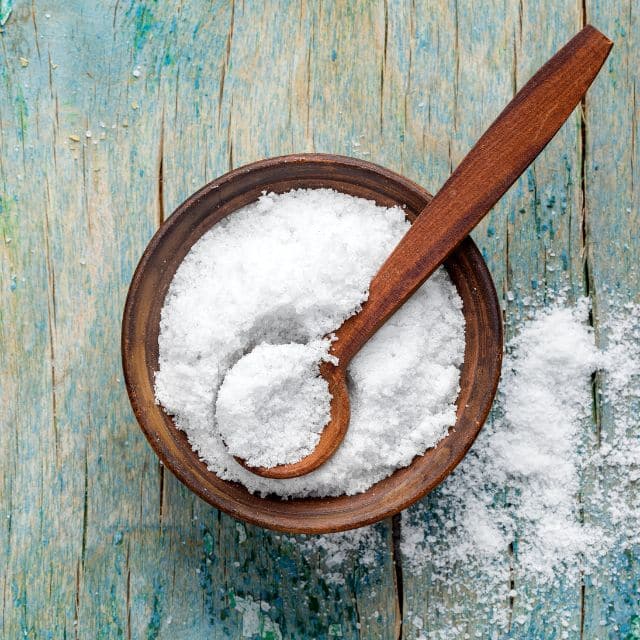
Salt is an indispensable part of our everyday lives and one of the most commonly used ingredients in kitchens around the world. The chemical name for what we usually call salt is sodium chloride (NaCl). Salt is an ionic compound made up of sodium ions (Na+) and chloride ions (Cl-), and it plays a crucial role in many biological processes, including nerve function and fluid balance in the body.

Advertisement: The page displays ads and contains advertising links (affiliate links). See our advertisers here.
Historically, salt has held enormous value and significance. It has been used as a trade commodity, and in ancient times it was even considered so valuable that it was used as currency. But salt isn’t only important from a historical and cultural perspective; it also plays a major role in our modern lives. Whether it’s used to enhance the flavor of food, preserve food, or as an ingredient in beauty care, salt is a versatile and essential component in many aspects of life.
Estimated reading time: 10 minutes
History and Origin
The History of Salt
The history of salt is as old as civilization itself. In ancient times, salt was extracted from salt mines and by evaporating seawater, and it was considered a luxury item available only to the wealthiest members of society. Salt’s high value was due to its importance in food preservation, as for many centuries it was the primary method of extending the shelf life of meat, fish, and other foods. Salt was used as a means of payment in some cultures, and the word “salary” actually stems from the Latin word “salarium,” which refers to the payment Roman soldiers received to buy salt.
The history of salt is also closely tied to the discovery of new trade routes. Cities like Venice and Salzburg owe their riches to salt, which was traded over great distances. This commodity was so important that it even caused wars and conflicts. For example, the “Salt War” between Austria and Bavaria in the 1600s was a conflict over control of the lucrative salt mines.
The Significance of Salt in Different Cultures
Salt holds deep cultural significance in many societies. In ancient Rome, salt was considered sacred and was used in religious ceremonies. The Romans sprinkled salt over their offerings as a sign of purity and divinity. In many cultures around the world, salt has been used to ward off evil spirits and bring good luck. In Japan, salt is used as a purifying agent in Shinto rituals, and in India, salt is often thrown over the shoulder to ward off bad luck.
In Denmark, salt has also played an important role. During the Viking Age, salt was used to preserve fish and meat, which was essential for survival during the cold winter months. Even today, salt is an important part of Danish culture, where it is used in many traditional dishes such as herring and rye bread.
Understanding Salt Crystals
Salt crystals form naturally when salt water evaporates, leaving the salt behind as crystals. These crystals can vary in shape and size depending on the conditions under which they form. For example, the large, flat crystals known as fleur de sel form on the surface of seawater under special climate and wind conditions. Salt crystals are usually cubic in shape, but they can also be pyramidal or rhombus-shaped.
The crystallization process can be fascinating to observe, as the small sodium and chloride ions are attracted to each other and arranged in a lattice pattern, resulting in the familiar crystal structures. The process can also be influenced by factors such as temperature and the purity of the water, which can lead to the formation of different types of salt crystals with unique properties.
Types of Salt
Table Salt
Table salt is the most common type, one that most people are familiar with. It is finely ground and often has anti-caking agents added to prevent it from clumping together in humid conditions. Table salt is also typically iodized, meaning iodine has been added to help prevent iodine deficiency, which can lead to goiter and other health problems.
Table salt is highly soluble in water and is often used in cooking and baking because of its fine texture. Its neutrality and easy availability make it a staple ingredient in many kitchens, but it often lacks the mineral nuances found in less refined types of salt.
Kosher Salt
Kosher salt is a type of coarse salt with a flatter and more flaked structure than table salt. The name comes from its use in the Jewish koshering process, where it is used to draw blood out of meat as part of religious requirements. Kosher salt is popular among chefs because of its texture, which makes it easy to pinch and spread evenly over food.
Kosher salt usually doesn’t contain additives such as iodine or anti-caking agents, which gives it a cleaner taste. Because of its large crystals, it is often used to add crunch to dishes or to sprinkle over food just before serving.
Sea Salt
Sea salt is produced by evaporating seawater, and its flavor and texture can vary depending on where and how it is harvested. Sea salt can be fine or coarse, and it can have different colors depending on the minerals in the water it is extracted from. For example, sea salt from the Mediterranean can be gray or pink due to its mineral content.
Sea salt is known for its rich flavor, often described as more complex than table salt due to the traces of minerals it contains. It is often used as a finishing salt, sprinkled over dishes to add a crunchy texture and an intense flavor.
Himalayan Salt
Himalayan salt is a pink salt extracted from salt mines in Pakistan near the Himalayan mountains. Its characteristic pink color is due to traces of iron oxide (rust) and other minerals, which also contribute to its unique flavor profile. Himalayan salt is often unprocessed and is considered one of the purest types of salt on the market.
Himalayan salt is used both in cooking and as a decorative element in the form of salt lamps and bowls. Some people believe it has health benefits due to its mineral content, although these claims aren’t always scientifically proven. Its visual appeal and mild flavor make it popular as a gourmet salt.
Fleur de Sel
Fleur de sel is an exclusive salt that is harvested by hand from the surface of seawater under specific weather conditions. The name means “flower of salt” in French, referring to the delicate, flower-shaped crystals that form during the evaporation process. Fleur de sel is often more expensive than other types of salt due to the labor-intensive harvesting process and its limited availability.
Fleur de sel is used as a finishing salt because of its subtle flavor and delicate texture. It melts easily on the tongue and adds a refined flavor experience to dishes such as salads, fish, and meat. Because of its luxurious nature, it is often used sparingly to enhance the flavor of a dish without overpowering it.
Types of Danish Salt
Denmark has a rich tradition of salt production, especially along the coasts and in the shallow areas where seawater can be evaporated to extract the salt. One of the most well-known Danish salt varieties is Læsø Salt, produced on the island of Læsø in the Kattegat. Læsø Salt is known for its high quality and clean flavor, which comes from the special evaporation methods used.
Læsø Salt is part of Danish cultural heritage, and its production has roots going back to the Middle Ages. The salt from Læsø is coarse and moist with a slightly gray color, due to its natural mineral content. It is often used as table salt or sprinkled over freshly prepared food.
Another popular type of Danish salt is Mariager Salt, produced in Mariager Fjord. This variety is known for its clean flavor and fine texture. Mariager Saltværk uses traditional methods to evaporate the salt from the fjord water, resulting in a high-quality product that is often used in gourmet cooking.
Flavor and Aroma
Chemically speaking, all salt tastes the same – sodium chloride. Yet the different types of salt are perceived very differently, because the size and shape of the crystals determine how quickly the salt dissolves on the tongue. Fine table salt dissolves instantly and is therefore perceived as sharper, while large, crisp flakes like fleur de sel crunch and release the salty flavor gradually.
Unrefined salts such as sea salt and rock salt also contain small amounts of minerals, which can give a slightly more complex and rounded flavor. Most importantly, salt is a flavor enhancer: it brings out the natural flavor of ingredients, tones down bitterness, and balances sweetness.
Uses
Culinary Use of Salt
Salt is one of the most fundamental ingredients in cooking and is essential for bringing out the flavor in many dishes. It is used to enhance the flavor of ingredients, balance sweetness, reduce bitterness, and even promote the development of aromas in complex dishes. In baking, salt helps regulate fermentation and strengthen the dough.
This mineral can also be used to create contrasts in dishes. For example, a pinch of salt in a chocolate cake can enhance the sweet flavor and create a more balanced taste experience. Salt is also used as a seasoning in dishes such as steaks, vegetables, and pasta, where it helps bring out the natural flavor notes.
In marinades and spice blends, salt plays an important role by penetrating the meat and helping to break down the protein structures, making the meat more tender and flavorful. This is especially important in dishes like pickled vegetables, where salt helps draw the moisture out of the vegetables and create a crisp result.
Use a little sugar together with salt when seasoning food. Sugar can help enhance the flavor of salt, especially in marinades or rubs for meat. The ratio between salt and sugar should be balanced, so it doesn’t make the dish sweet, but adds a depth of flavor that elevates the dish to a new level.
Tips and tricks from the author: Morten Jensen
Preservation and Pickling
One of the oldest uses of salt is for food preservation. Salt prevents the growth of bacteria by drawing moisture out of food, making it difficult for bacteria to survive. This makes salt an ideal method for extending the shelf life of meat, fish, and vegetables.
Salt is also essential in pickling, where it is used to create a brine that draws moisture out of the vegetables and creates an environment where only beneficial bacteria can survive. This process, known as fermentation, gives pickled vegetables their characteristic flavor and texture.
Today, salt is still used for preservation, especially in traditional foods such as salted fish, dried meat, and cheese. This technique is important not only for extending shelf life but also for developing the complex flavor profiles characteristic of many traditional dishes.
How to Make a Brine
A brine is the easiest route to juicy, flavorful meat – especially for lean meats like chicken and pork, which easily dry out.
Total time: 12-24 hours
- Mix the brine
Stir 50-80 g of salt into 1 liter of cold water until the salt is completely dissolved – this corresponds to a brine of 5-8%. Add a little sugar, peppercorns, or bay leaves to taste, if desired.
- Add the meat
Place the meat in the brine so it is fully submerged, and keep it covered in the fridge.
- Let it brine
Let smaller pieces like chicken breast brine for 2-4 hours and larger roasts for 12-24 hours.
- Pat dry
Remove the meat, rinse briefly if needed, and pat it thoroughly dry before cooking – a dry surface gives the best sear.
In Beauty and Personal Care
Salt also has many uses outside the kitchen, especially in beauty and personal care. Epsom salt, which is actually magnesium sulfate and not sodium chloride, is often used in baths to relieve muscle pain and promote relaxation. Salt crystals are used in scrubs to exfoliate the skin and remove dead skin cells, leaving the skin soft and smooth.
Salt water is also known for its antibacterial properties and is often used to clean wounds or as a mouth rinse to prevent infections. In addition, salt can help reduce inflammation and swelling, making it a popular ingredient in many homemade beauty products.
In the wellness industry, this mineral is also used in salt lamps and salt rooms, where it is believed to have a calming effect and help purify the air. Although the health benefits of these uses aren’t always scientifically proven, they are popular among people seeking natural ways to improve their wellbeing.
Health Benefits and Risks of Salt
The Role of Salt in the Body
Salt plays an important role in the body’s functions, including maintaining fluid balance, nerve function, and muscle contraction. An appropriate amount of salt in the diet is necessary to maintain these functions.
The Risk of Too Much Salt
However, excessive salt consumption can lead to health problems such as high blood pressure, which increases the risk of heart disease and stroke. In recent years, there has been a strong focus on reducing salt intake, especially in processed foods, which often contain large amounts of hidden salt. Many health organizations recommend limiting salt intake to around 5-6 grams a day to reduce the risk of health problems.
Finding the Balance
On the other hand, it’s important not to avoid salt entirely, as it is necessary for the body’s function. It’s about finding a balance and being mindful of the sources of salt in your diet, such as processed foods, which often contain much more salt than homemade meals.
Storage
Salt doesn’t go bad – sodium chloride is chemically stable and can, in principle, keep indefinitely. However, salt does attract moisture from the air and clumps easily, so storage is mainly about keeping it dry.
- Store salt in an airtight container in a dry place
- Keep the salt cellar away from steam from pots and pans
- If the salt clumps, it can be dried in the oven at low heat and broken up again
- Moist salts like fleur de sel are best stored in their original packaging with a tight-fitting lid
Conclusion
Salt is a complex and fascinating ingredient with a rich history and many uses. From its role in cooking and preservation to its uses in beauty care and health, salt is an indispensable part of our lives. While it’s important to be mindful of salt intake for the sake of health, we should also recognize the many benefits salt brings. By understanding the different types and their uses, we can better enjoy this versatile ingredient in a healthy and balanced way.
Try This Recipe
Coarse salt truly comes into its own on homemade pretzels, where the crunchy salt crystals are half the experience. Try our recipe for Pretzels in the Air Fryer – Crispy German Pretzels with Crunchy Salt Crystals.
Equipment and Products
Flavored salts are an easy shortcut to more flavor. A lemon salt lifts fish, chicken, and vegetables with fresh acidity and salt in a single sprinkle – check out, for example, Citronsalt Vestjyske Delikatesser in our shop.
Frequently Asked Questions
Sea salt is produced by evaporating seawater and contains small amounts of minerals that can give it a more complex flavor. Table salt is finely ground, refined salt, often with iodine and anti-caking agents added. Chemically, both consist primarily of sodium chloride.
Many health organizations recommend limiting salt intake to around 5-6 grams a day. Pay special attention to processed foods, which often contain large amounts of hidden salt.
Fleur de sel means “flower of salt” in French and refers to delicate salt flakes harvested by hand from the surface of seawater. It is used as a finishing salt because the crisp crystals melt easily on the tongue.
No, pure salt is chemically stable and can keep indefinitely. However, it can attract moisture and clump, so store it dry and airtight.
Salt draws moisture out of food and creates an environment where most bacteria can’t survive. That’s why salting has been used for centuries to extend the shelf life of meat, fish, and vegetables.
Facts About Salt
| Field | Value |
|---|---|
| Chemical name | Sodium chloride (NaCl) |
| Type | Mineral |
| Origin | Seawater and underground salt deposits |
| Extraction | Evaporation of seawater or mining (rock salt) |
| Main types | Table salt, sea salt, rock salt, Himalayan salt, and fleur de sel |
| Use | Flavor enhancer, preservation, pickling, and baking |
| Recommended daily intake | No more than approx. 5-6 grams |
| Storage | Dry and airtight – unlimited shelf life |
