

Basil (Ocimum basilicum) is a well-known herb, loved for its aromatic flavor and its health benefits.

Advertisement: The page displays ads and contains advertising links (affiliate links). See our advertisers here.
In this guide, we explore basil’s many uses, from its role in the kitchen to its healing properties. You’ll also learn how to grow this versatile plant at home.
Estimated reading time: 7 minutes
History and Origin
Basil has a long and fascinating history that spans several thousand years. Basil originally comes from tropical regions of Asia, but it spread to the Mediterranean and later to the rest of the world. In ancient Egypt, the plant was used in embalming processes, while in ancient Greece and Rome it was regarded as a symbol of love and fertility.
In medieval Europe, basil was used both as a medicinal plant and as protection against evil spirits. It was often planted in gardens as a sign of happiness and prosperity. Today, basil is an integral part of many cuisines, especially in the Mediterranean countries, where it’s used in iconic dishes like pesto and caprese.
Flavor and Aroma
Basil has a sweet, spicy flavor and a fresh, intense aroma with slightly peppery and faintly anise-like notes, which come in part from essential oils such as eugenol. It’s precisely this fresh aroma that is the herb’s greatest strength — and its weakness.
That’s because basil is delicate when exposed to heat and quickly loses its aroma during long cooking. So add the fresh leaves at the very end of cooking, or use them as a topping, to preserve the flavor as well as possible.
Nutritional Value
Basil isn’t just a flavorful herb — it’s also rich in nutrients that benefit your health. It contains a number of important vitamins, minerals, and antioxidants that can strengthen the body’s immune system and overall health.
It’s a good source of vitamin K, which plays a crucial role in the blood’s ability to clot and in maintaining bone health. It also contains vitamin A, which is important for eyesight and the immune system, as well as vitamin C, which acts as an antioxidant and protects cells from damage caused by free radicals.
Minerals such as iron, calcium, and magnesium are also found in basil. These minerals are essential for the body’s functioning, including oxygen transport, bone health, and muscle and nerve function.
In addition, the herb contains antioxidants such as eugenol, which has anti-inflammatory properties and can help protect the body against chronic disease.
- Vitamin K – important for blood clotting and bone health
- Vitamin A – important for eyesight and the immune system
- Vitamin C – antioxidant that protects cells
- Iron, calcium and magnesium – oxygen transport, bones and muscles
- Eugenol – antioxidant with anti-inflammatory properties
Health Benefits
Antioxidant and Anti-inflammatory Properties
This herb is rich in antioxidants, including eugenol, which plays an important role in protecting the body’s cells from damage caused by free radicals. This damage can lead to inflammation and increase the risk of chronic diseases such as cardiovascular disease and cancer.
Basil’s anti-inflammatory properties help reduce inflammation in the body, which can relieve symptoms of inflammatory conditions such as arthritis and chronic pain. Its ability to modulate the body’s inflammatory response makes it a valuable herb in a healthy diet.
Cognitive Function and Brain Health
Basil also has benefits for the brain and cognitive function. Its content of eugenol and other antioxidants can help protect the brain against oxidative stress, which may help prevent neurodegenerative diseases such as Alzheimer’s and Parkinson’s.
In addition, this herb has a calming effect that can help reduce stress and improve sleep quality. This makes it a good supplement for those who want to preserve their mental health and well-being.
Digestive Health and Immune Support
Basil can promote healthy digestion by stimulating the production of digestive enzymes that help break down food and absorb nutrients. This can relieve digestive problems such as bloating and indigestion.
The herb also strengthens the immune system by increasing the body’s resistance to infections. Its antibacterial and antiviral properties make it a powerful ally in the fight against illness.
Skin and Hair Care Benefits
Basil is beneficial for both skin and hair. Its antibacterial properties make it an effective treatment against acne and other skin infections. When used in hair care, the herb can strengthen hair and improve scalp health, which can lead to stronger, healthier hair.
Culinary Uses
In the kitchen, basil is known for its sweet, spicy flavor and fresh aroma. It’s indispensable in many Mediterranean dishes and is often used in salads, sauces, and as a pizza topping. Its distinctive flavor can elevate a dish and add a freshness that’s unique to basil.
Blend fresh basil leaves with sugar to make an aromatic basil sugar that can be sprinkled over fruit salads, cakes, or used to sweeten tea and cocktails.
Tips and tricks from the author: Morten Jensen
How to Incorporate Basil into Your Cooking
Basil is a versatile herb that can enhance the flavor of many different dishes. It’s a key ingredient in dishes like pesto, tomato salad, and pasta, where its fresh flavor and aroma really shine through. You can also use it as a garnish on pizza and in sandwiches, where it adds a fresh touch.
In the Danish Kitchen
In Denmark, basil is particularly associated with summer tomato salads, homemade pesto, and as a fresh topping on pizza and pasta dishes. It’s typically used fresh and added at the very end, so the aroma is preserved.
- Homemade pesto
- Caprese with tomato and mozzarella
- Tomato sauce and tomato soups
- Fresh topping on pizza and pasta
Internationally
Internationally, basil is best known from Italian cuisine, where it’s the main ingredient in pesto alla genovese and a staple of caprese and pizza margherita. In Southeast Asian cuisine, Thai basil — a more anise-like variety — is used in stir-fries and curry dishes.
Basil-Infused Recipes
There are many ways to include basil in your recipes. For example, you can make a classic pesto by blending fresh basil with garlic, pine nuts, parmesan cheese, and olive oil. This herb can also be used to add flavor to dressings, marinades, and soups.
Basil with Other Ingredients
Basil’s sweet, aromatic flavor pairs well with many other ingredients. It particularly complements tomatoes, garlic, olive oil, and lemon. This herb also works well with cheeses like mozzarella and parmesan, and it’s a fantastic partner for fruits like strawberries and peaches.
In the Air Fryer
Basil is delicate and burns easily at high heat, so in the air fryer it’s best used as a fresh topping after cooking — for example, on pizza, fish parcels, or baked tomatoes. Pesto, on the other hand, can easily be spread on dishes before cooking, since the oil protects the leaves from scorching.
Other Uses
Basil is a versatile herb that can be used in many ways. From its use in culinary dishes to its role in natural medicine and beauty care, basil offers a wide range of possibilities.
Natural Medicine
In natural medicine, basil is used to treat a number of ailments. Its anti-inflammatory and antibacterial properties make it effective against infections and inflammation. It’s also known to help with digestive problems and can relieve stress and anxiety thanks to its calming aroma.
Beauty Care
Basil has also found its way into the beauty industry. Its antioxidants and antibacterial properties make it a popular ingredient in skincare products, where it helps cleanse the skin and combat acne. Basil oil can also be used in hair care to strengthen hair and improve scalp health.
Growing and Growth Conditions
Soil and Location
Basil thrives in well-drained soil and full sun. It prefers slightly acidic to neutral soil and needs regular watering to keep the soil moist, but not wet. It’s important to make sure the plant gets enough sunlight, as this promotes its growth and aroma.
Indoor and Outdoor Planting
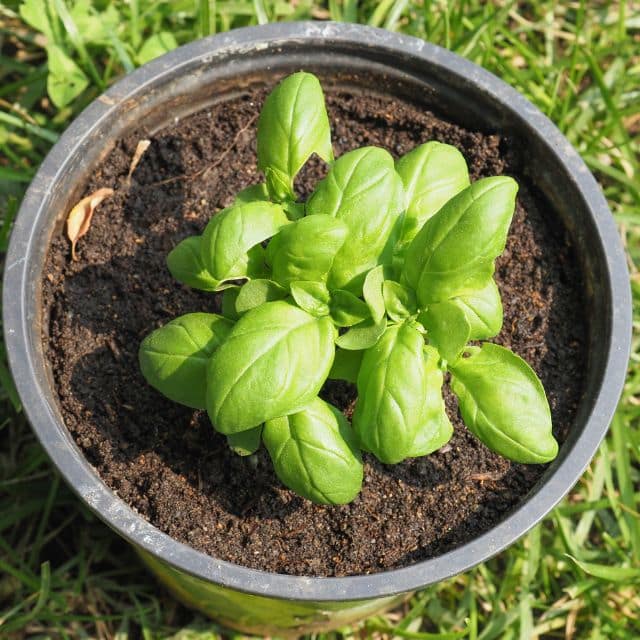
Basil can be grown both indoors and outdoors. If you plant it indoors, make sure it gets plenty of sunlight, preferably in a south-facing window. Outdoors, basil thrives best in a warm, sunny spot, and it can be grown in pots or directly in the ground.
Watering
Basil needs regular watering, especially during hot summer months. It’s important to keep the soil evenly moist, but avoid overwatering, as this can lead to root rot. Make sure the soil drains well, and avoid letting the plant sit in water.
Fertilizing
Basil is a demanding plant when it comes to nutrients. To ensure healthy growth, you can use an organic fertilizer or compost, especially during the growing season. Fertilizing helps promote leaf growth and improves the plant’s flavor.
How to Grow Basil
Total time: 4-6 weeks
- Sow the seeds
Sow the seeds in spring in nutrient-rich, well-drained soil — ideally indoors, until the risk of frost has passed.
- Place it somewhere bright and warm
Place the plant somewhere bright and warm, preferably in a south-facing window or a sunny, sheltered spot outdoors.
- Water regularly
Water regularly to keep the soil evenly moist — but never wet, as basil is sensitive to root rot.
- Pinch and harvest
Pinch off the top shoots regularly so the plant branches out and becomes bushy, and harvest the leaves as needed.
Storage
To get the most out of your basil, it’s important to store it correctly. Fresh basil can be kept in a glass of water on the countertop or in the refrigerator wrapped in a damp paper towel. If you have leftover basil, you can freeze it by chopping it and mixing it with olive oil before storing it in a freezer tray.
- Room temperature: fresh stems in a glass of water on the countertop
- Refrigerated: wrapped in a damp paper towel
- Freezing: chop the leaves, mix them with olive oil, and freeze in a freezer tray
- Avoid prolonged cold — the leaves quickly turn dark in a refrigerator that’s too cold
Try This Recipe
Basil’s fresh aroma is at the heart of a good pesto, and the combination of pesto, juicy chicken, and a crispy crust is hard to resist. Try our recipe for Chicken Pesto Pizza in the Air Fryer – Crispy Crust with Juicy Chicken and Fresh Pesto.
Equipment and Products
If you don’t have fresh basil on hand, a classic Pesto alla Genovese from our shop will get you a long way — made with basil and perfect for pasta, pizza, and bruschetta.
Frequently Asked Questions
Basil is an aromatic herb from the mint family with the Latin name Ocimum basilicum. It originally comes from tropical regions of Asia and is known for its sweet, spicy flavor and fresh aroma.
Supermarket pots are densely sown, so the plants compete for water and nutrients. Divide the plant into smaller clumps, replant them in nutrient-rich soil, and give them light and even watering — that way they’ll last much longer.
Yes. Chop the leaves and mix them with olive oil before freezing them in a freezer tray. That way you’ll have portion-ready basil cubes for sauces, soups, and pesto.
Fresh basil quickly loses its aroma when exposed to heat, so add the leaves at the very end of cooking, or use them as a fresh topping on the finished dish.
Basil particularly complements tomatoes, garlic, olive oil, and lemon. It also works well with cheeses like mozzarella and parmesan and is a great partner for fruits like strawberries and peaches.
Facts About Basil
| Field | Value |
|---|---|
| Latin name | Ocimum basilicum |
| Family | Lamiaceae (the mint family) |
| Plant type | Herb — grown as an annual in Denmark |
| Origin | Tropical regions of Asia |
| Height | Approx. 20-60 cm |
| Light | Full sun |
| Soil | Well-drained, nutrient-rich and evenly moist |
| Sowing | Spring, indoors — transplanted after risk of frost |
| Flavor | Sweet, spicy and aromatic with slightly anise-like notes |
| Culinary use | Pesto, caprese, tomato dishes, pizza and salads |
| Storage | In a glass of water at room temperature or frozen in olive oil |
Conclusion
Basil is a versatile and nutrient-rich herb that can enrich both your diet and your health. With its many health benefits, culinary uses, and relatively simple growing requirements, basil is a valuable addition to any kitchen and garden. Whether you use it in your recipes, as part of your beauty routine, or as a natural remedy, basil will undoubtedly enhance your lifestyle and well-being.
