

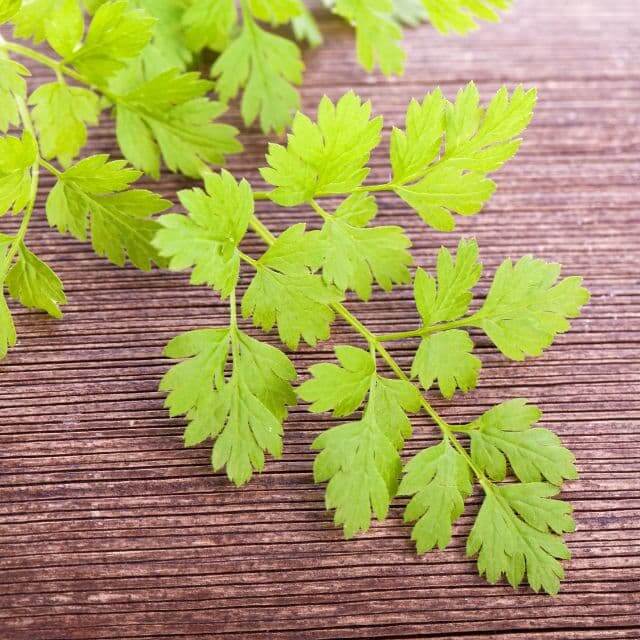
Chervil is an herb that’s often overlooked in the kitchen, but it has a rich history and many uses. Its delicate flavor is reminiscent of a blend of parsley and anise, making it a versatile ingredient in many dishes. The plant belongs to the carrot family, just like parsley and coriander, and is known for its mild yet unique aroma.

Advertisement: The page displays ads and contains advertising links (affiliate links). See our advertisers here.
In this article, we’ll dive into the history of chervil, look at its flavor and aroma, its health benefits, growing methods, and — not least — how best to use the fresh herb in your cooking.
Estimated reading time: 6 minutes
History and Origin
Chervil has a long history that stretches back to ancient Greece and the Roman Empire. In antiquity, chervil was used not only as a flavoring in food but also as a medicinal plant. The Romans spread chervil throughout much of Europe, and it quickly became a staple of the European herb garden. It was also a popular herb in the Middle Ages, where it was used to relieve various ailments.
Today, chervil is used primarily in French cuisine, especially in the herb blend “fines herbes” – a mix of delicate herbs that includes parsley, chives, tarragon, and chervil. The herb has thus played a central role in several cultures throughout history, both as a flavoring and as medicine.
Flavor and Aroma
Chervil has a fine, delicate flavor that sits somewhere between mild parsley and a hint of anise. Its aroma is far more subtle than most other herbs, which is exactly why chervil needs to be handled with care. The delicate flavor is easily lost during longer cooking, so it’s best enjoyed raw or added right at the very end.
Because the flavor is so nuanced, chervil works best in light, mild dishes where it won’t be drowned out by strong ingredients. If you’re looking for a substitute, parsley or tarragon are good alternatives, as they have similar flavor profiles – parsley for the green, fresh notes, and tarragon for the anise note.
Culinary Use
When it comes to cooking, chervil is best used fresh. It pairs well with egg dishes, salads, soups, and sauces, where its light anise flavor adds a subtle elegance.
In Danish Cuisine
In Danish kitchens, chervil is a classic spring herb often associated with the bright season. It’s used fresh in green salads, stirred into soft butter as an herb butter, and sprinkled over egg dishes and light soups. Chervil has traditionally been part of the Danish herb garden alongside parsley, chives, and dill, and it suits the mild, delicate style of Danish cooking well.
Internationally
In French cuisine, chervil is often combined with butter to make aromatic herb butters and as part of “fines herbes” for omelets and chicken dishes. It also appears in classic French sauces and dressings, where its subtle anise note adds finesse without dominating. Chervil is an herb that signals spring in many European kitchens.
- Fresh in green salads with a light vinaigrette
- Stirred into soft butter as an aromatic herb butter
- Sprinkled over egg dishes, omelets, and light soups
- As part of the French herb blend “fines herbes”
Try using chervil to make an aromatic butter blend that can add a subtle, delicate flavor to dishes. Take soft butter and mix it with freshly chopped chervil, a little lemon juice, and a hint of garlic. You can use this butter blend to spread on grilled light meat and fish.
Tips and tricks from the author: Morten Jensen
Health Benefits
Nutritional Value
Chervil isn’t just a delicious herb — it’s also rich in vitamins and minerals relative to its modest size. It contains vitamin A and C, as well as a range of B vitamins. Vitamin A is important for healthy eyesight, while vitamin C strengthens the immune system and helps fight free radicals in the body.
- Vitamin A: important for vision and skin
- Vitamin C: strengthens the immune system
- B vitamins: contribute to metabolism
- Minerals: calcium, iron, and magnesium
Traditional Use
Throughout history, chervil has been used in folk medicine for its purported properties, including as a mild remedy for stomach upset. In modern times, the herb is used less often medicinally, but its nutritional profile still makes it a fine addition to a healthy diet. Above all, though, chervil is a flavoring that lifts light dishes with freshness and elegance.
Growing
Chervil is a relatively easy plant to grow, even for beginners. Unlike many other herbs, chervil thrives best in shady areas and prefers moist, well-drained soil. It’s an annual plant that grows quickly and can be harvested within a few weeks of sowing. If you let some of the seeds drop, it will often self-seed and come back the following year.
How to Grow Chervil
Total time: 4-6 weeks
- Choose a location
Choose a partially shaded spot with moist, well-drained soil. Chervil doesn’t like direct, scorching sun, which causes the leaves to wilt.
- Sow the seeds
Sow the seeds directly in the soil in spring, once the danger of frost has passed. Chervil doesn’t like being transplanted, so sow it where it’s meant to grow.
- Water and care
Water regularly and keep the soil moist but not wet. Protect the plant from direct sunlight to preserve the flavor in the leaves.
- Harvest
Harvest the leaves after a few weeks, ideally just before the plant flowers, when the flavor is most intense. Sow new seeds regularly for a continuous supply.
Storage and Harvest
Harvesting at the Right Time
Once the chervil is ready for harvest, you can pick the leaves directly from the plant. The best time is just before the plant begins to flower, as the flavor is most intense then. After flowering, the leaves become more subtle in flavor.
Fresh, Frozen, and Dried
- Fresh chervil keeps for a couple of days in the refrigerator in a plastic bag – for best results, stand the stems in a glass of water under the bag
- Freezing preserves the flavor better than drying; chop the leaves and freeze them
- Drying is generally not recommended, as much of the delicate aroma is lost
Try This Recipe
Chervil’s mild anise note is practically made for light fish, where it lifts the dish without overpowering it. Sprinkle freshly chopped chervil over a fish dish just before serving, or stir it into a herb butter for the fish. Try our Fish Parcel with Cod, Green Pesto, and Tomatoes in the Air Fryer and finish with a sprinkle of fresh chervil for an elegant starter.
Equipment and Products
If you don’t have fresh chervil on hand, a ready-made herb blend can give your dishes a similar green lift. Jægermix Vestjyske Delikatesser is a spice blend that pairs well with light meat and fish – the same dishes where chervil’s mild flavor would otherwise shine. For everyday cooking, it’s an easy shortcut when the herb garden is empty.
Frequently Asked Questions
Chervil has a fine, delicate flavor that falls somewhere between mild parsley and a hint of anise. The aroma is subtle, so it’s best enjoyed raw or added right at the very end.
Parsley and tarragon are the best alternatives. Parsley provides the green, fresh notes, while tarragon captures the mild anise note that chervil is known for.
No, chervil’s delicate flavor is easily lost during longer cooking. Add it right at the end or use it fresh as a garnish to preserve the aroma.
Yes, chervil is one of the few herbs that thrives in partial shade. It prefers moist, well-drained soil and doesn’t like direct, scorching sun.
Fines herbes is a classic French herb blend of parsley, chives, tarragon, and chervil. It’s used in omelets, sauces, and light dishes where the four delicate herbs work together.
Chervil Facts
| Field | Value |
|---|---|
| Latin name | Anthriscus cerefolium |
| Family | Carrot family (Apiaceae) |
| Origin | Southeastern Europe and Western Asia |
| Plant type | Annual herb |
| Parts used | Fresh leaves |
| Flavor | Mild parsley with a hint of anise |
| Sow/harvest in Denmark | Sown in spring; harvested after a few weeks |
| Key nutrients | Vitamins A, C, and B vitamins |
| Storage | Fresh in the fridge for a few days; can be frozen chopped |
