

Coriander, known in some parts of the world as “cilantro,” is one of the most widely used herbs in global cuisine. With its distinctive flavor and aroma, coriander has found its way into countless recipes – from salads and sauces to curries and marinades. The coriander plant, whose botanical name is Coriandrum sativum, has a long history and deep cultural significance.

Advertisement: The page displays ads and contains advertising links (affiliate links). See our advertisers here.
One important thing to understand about coriander is that the plant provides two entirely different spices. The fresh green leaves have a bright, citrusy flavor, while the ripe seeds are mild, warm, and nutty. In this article, we’ll dive into both leaf and seed: the history, the flavor, culinary uses, health benefits, and how to grow the herb yourself on your windowsill.
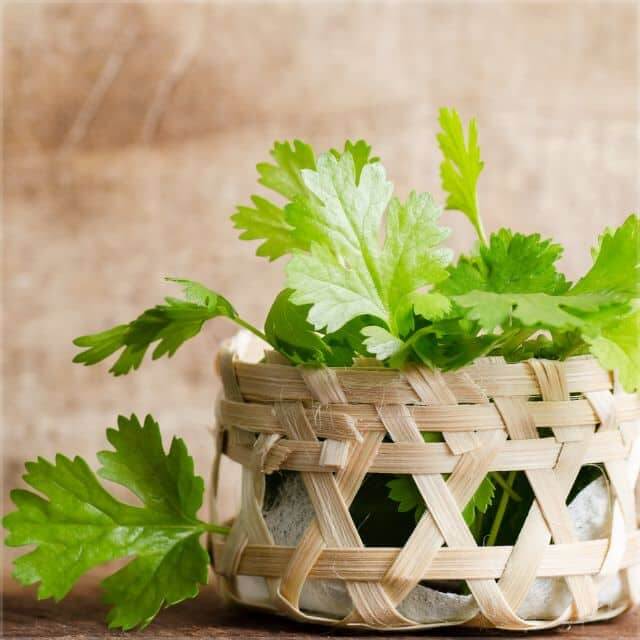
Estimated reading time: 8 minutes
History and Origin
Ancient Roots
Coriander has been part of the human diet and medicinal practice for thousands of years. Its origins can be traced back to regions in the eastern Mediterranean and Western Asia, where it was cultivated and used as far back as antiquity. Archaeological finds have shown that coriander seeds were used in ancient Egypt, and traces of coriander have even been found in Tutankhamun’s tomb, indicating its significance in Egyptian culture.
The Greeks and Romans also used coriander, both as a spice and as an ingredient in medicinal preparations. The Romans brought the plant with them as they expanded their empire, which led to coriander spreading across large parts of Europe. In antiquity, the herb was valued not only for its flavor but also for its supposed healing properties, and it was used to treat ailments such as digestive problems and headaches.
Global Spread
With the discovery of new continents and trade routes, coriander began to spread to the rest of the world. In the Middle Ages, it became a staple of European cuisine and medicine, and its popularity reached Asia and Africa. The spice and silk routes played a crucial role, as they connected Europe with distant regions where coriander was already known and valued.
Today, Coriandrum sativum is a globally recognized herb used in kitchens around the world. From Mexico to India and from Thailand to Morocco, coriander has found its place in local dishes and culinary traditions. In Mexican cuisine, coriander leaves are a key ingredient in salsas and guacamole, while coriander seeds are often used in Indian curries and pickles. This global spread has made the plant one of the most versatile herbs in the world.
Flavor and Aroma
Leaves and Seeds – Two Flavor Profiles
Coriander is unusual in that a single plant yields two vastly different spices. The fresh coriander leaves have a bright, fresh, citrusy flavor with a green, almost peppery hint. Coriander seeds, which are the plant’s dried fruits, have instead a mild, warm, and slightly nutty flavor with hints of citrus and orange peel. The two should not be confused, and they can rarely replace one another in a recipe.
The Polarizing Soapy Taste
Fresh coriander leaves are divisive. Some people experience a distinct soapy taste when eating the leaves, caused by a genetic variation in how we perceive certain aldehydes in the plant. That’s why it can be a good idea to add coriander as a garnish rather than cooking it in, so it can easily be removed if your guests prefer that. Coriander seeds rarely trigger the same reaction and are therefore a safe choice for a broad audience.
Culinary Uses
Coriander is one of the few herbs used widely across many different cuisines. The fresh leaves, the dried seeds, and even the aromatic stems all have their place in cooking, and each part contributes its own character.
In Danish Cuisine
In Danish kitchens, coriander has become especially popular as Asian and Mexican dishes have gained ground. Fresh coriander leaves are sprinkled over stir-fries, noodle soups, and tacos, while ground coriander seeds feature in many homemade spice blends. The seeds are also used in classic Danish contexts, including certain rye breads and in spice mixes for pickled herring.
Internationally
In Asia, especially on the Indian subcontinent, coriander is a fundamental ingredient. Coriander seeds are one of the main components of curry powder and masala blends, while fresh leaves are added as a garnish and flavor booster in chutneys and curries. Thailand uses the herb in soups and salads, and Chinese dishes can include both leaves and seeds. In the Middle East and the Mediterranean, coriander is essential in Moroccan tagines, while the green leaves are indispensable in Mexican salsas, tacos, and ceviche.
Preparing Leaves and Seeds
Fresh coriander leaves should be added right at the very end of cooking to preserve their volatile aroma – prolonged heat flattens the flavor. Coriander seeds, on the other hand, benefit from heat: toast them lightly in a dry pan until fragrant, then crush them in a mortar. This releases the essential oils and gives a far deeper flavor than seeds taken straight from the jar. Ground coriander seed is a natural addition to marinades, pickled vegetables, and baked goods.
- Fresh leaves: salsa, guacamole, tacos, noodle soups, and as a garnish
- Coriander seeds (whole): pickling brine, pickles, seasoning for fish
- Ground seeds: curry powder, masala, marinades, and baked goods
- Stems: finely chopped in curry, pesto, and marinades
Try using the coriander stems in your dishes, not just the leaves. The stems have a concentrated flavor reminiscent of the leaves, but they’re even more aromatic and intense. Instead of throwing the stems away, finely chop them and add them to dishes like salsas, curries, marinades, or even pesto.
Tips and tricks from the author: Morten Jensen
Health Benefits
Vitamins and Minerals
Coriander isn’t just a flavor enhancer; it’s also rich in nutrients. Fresh coriander leaves contain a significant amount of vitamin A, vitamin C, and vitamin K, all of which play important roles in the body. Vitamin A is essential for healthy eyesight, vitamin C supports the immune system and promotes skin health, while vitamin K is necessary for blood clotting and bone health.
- Vitamin A: important for eyesight and skin
- Vitamin C: supports the immune system
- Vitamin K: necessary for blood and bones
- Minerals: potassium, calcium, and magnesium
- Coriander seeds: a source of dietary fiber
Digestion and Traditional Use
Coriander has been used in traditional medicine for centuries, and the herb is known, among other things, for its antioxidant properties, which can help protect cells from free radicals. Coriander seeds have long been used as a digestive aid, as they’re believed to help relieve bloating and stomach discomfort. It’s worth remembering, however, that coriander is, first and foremost, a wonderful culinary herb, not a substitute for medical treatment.
Growing
Coriander is a relatively easy plant to grow, both outdoors in the garden and indoors in pots. The plant prefers a sunny to partly shaded spot and well-drained soil, as it doesn’t thrive in waterlogged soil.
How to Grow Coriander
Total time: 4-6 weeks
- Prepare the soil
Choose a sunny to partly shaded spot with loose, well-drained soil. For indoor growing, use a deep pot with a drainage hole on a bright windowsill.
- Sow the seeds
Sow the seeds directly where they are to grow, as coriander doesn’t like being transplanted. Cover with a thin layer of soil and keep moist.
- Water and care
Water regularly, but avoid overwatering, which causes root rot. Sow new seeds every 2-3 weeks for a continuous harvest.
- Harvest
Harvest the outer leaves continuously. Let a few plants flower and set seed if you want to harvest your own coriander seeds.
Coriander bolts quickly in warm weather, which reduces leaf production. To extend the harvest season, you can sow the seeds at intervals so you always have a fresh supply of leaves. If the plant flowers, you can instead let it set seed and harvest your own coriander seeds for the spice drawer.
Storage
Fresh Leaves
Fresh coriander leaves are highly perishable. They keep best in the refrigerator, either wrapped loosely in a damp paper towel or with the stems standing in a glass of water with a bag over the top. This keeps them fresh for up to a week. Chopped coriander can also be frozen in ice cube trays with a little water or oil and used straight from the freezer into the pot.
Dried Seeds
- Store whole coriander seeds in an airtight container in a dark, dry place
- Whole seeds retain their aroma for up to a year; grind them just before use
- Ground coriander seed loses flavor faster – buy or grind in smaller quantities
Try This Recipe
Fresh coriander leaves and guacamole are a classic pairing: the leaves’ citrusy freshness brightens up the creamy avocado and balances its richness. If you have a bunch of coriander, finely chop it and fold it in right at the end. Try our Guacamole recipe and taste for yourself how coriander lifts the dish.
Equipment and Products
If you don’t have fresh coriander on hand, a ready-made spice blend can point you in the same flavor direction. Guacamole Spice Vestjyske Delikatesser often contains coriander along with other classic guacamole spices and is an easy shortcut when you want to hit that Mexican flavor profile quickly.
Frequently Asked Questions
The leaves are the fresh green parts with a bright, citrusy flavor, while the seeds are the plant’s dried fruits with a mild, warm, and nutty flavor. They can rarely replace one another in a recipe.
It’s caused by a genetic variation in how certain people perceive the aldehydes in fresh coriander leaves. For them, the leaves taste distinctly soapy, while coriander seeds rarely trigger the same reaction.
Yes. The stems have a concentrated, even more intense flavor than the leaves. Finely chop them and use them in salsas, curries, marinades, or pesto instead of throwing them away.
Fresh coriander leaves should be added right at the end or used as a garnish, since heat quickly flattens their aroma. Coriander seeds, on the other hand, tolerate heat well and benefit from being toasted.
Yes. Sow the seeds in a deep pot with a drainage hole, place it somewhere bright, and keep the soil lightly moist. Sow new seeds every two to three weeks for a continuous supply of fresh leaves.
Facts About Coriander
| Field | Value |
|---|---|
| Latin name | Coriandrum sativum |
| Family | Carrot family (Apiaceae) |
| Origin | Eastern Mediterranean and Western Asia |
| Plant type | Annual herb |
| Parts used | Leaves, stems, and seeds |
| Flavor | Leaves: fresh, citrusy. Seeds: mild, warm, nutty |
| Sowing/harvest in Denmark | Sown in spring-summer; leaves harvested continuously |
| Key nutrients | Vitamins A, C, and K, plus dietary fiber in the seeds |
| Storage | Leaves refrigerated for 1 week; seeds stored dry and dark for up to 1 year |
