

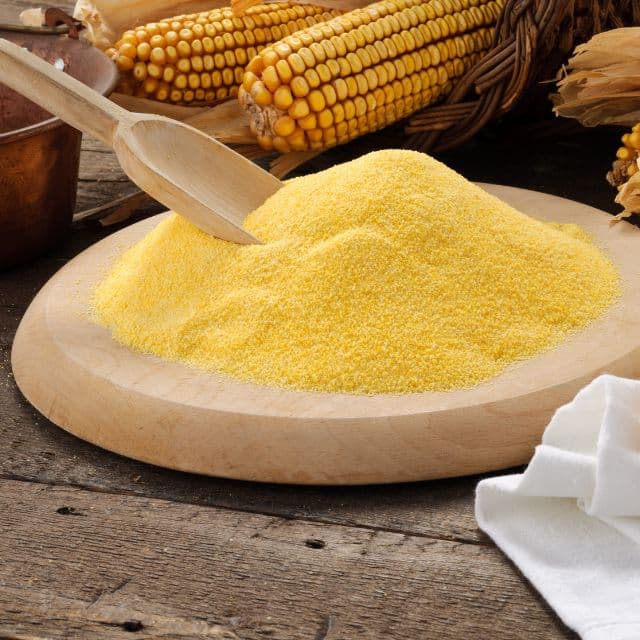
Cornmeal is a finely ground product made from dried corn. It’s a staple ingredient in many traditional dishes around the world, especially in the Americas and Africa, where corn is one of the primary food crops. Cornmeal comes in different textures, from coarsely ground to finely ground, which makes it versatile for a variety of culinary uses. This type of flour has a slightly sweet taste, which makes it well suited for both sweet and savory dishes.

Advertisement: The page displays ads and contains advertising links (affiliate links). See our advertisers here.
Cornmeal shouldn’t be confused with cornstarch, which is a white, flavorless powder used as a thickening agent. This variety, on the other hand, contains the whole corn kernel, which means it also includes the corn’s natural fibers, proteins and oils. This makes the flour a healthier alternative to many other types of flour, while adding a unique flavor and texture to dishes.
Estimated reading time: 7 minutes
History and Cultural Significance
Corn holds deep cultural significance in many societies, especially in Latin America, where it has been a staple food for centuries. In Mexico, cornmeal is used to make tortillas, a central part of the Mexican diet. Likewise in Africa, where it’s known as ‘mealie meal’ or ‘ugali,’ it plays an important role in many traditional dishes. Cornmeal is not just a food, but also a symbol of survival and cultural heritage in these regions.
In North America, it has also found its place in popular dishes like cornbread and grits. Although corn originally comes from the Americas, its influence has spread globally, and it’s now an important ingredient in many different cuisines. This global significance underscores cornmeal’s versatility and ability to adapt to different culinary traditions.
Benefits and Health
Cornmeal is not only tasty, but also nourishing. It’s a good source of complex carbohydrates, which give the body energy, as well as fiber, which promotes healthy digestion. Cornmeal also contains a range of important vitamins and minerals, including B vitamins, iron and magnesium. The B vitamins in cornmeal play an important role in the body’s energy production and metabolism, while iron is essential for oxygen transport in the blood.
Cornmeal is also low in fat and has a moderate protein content, which makes it a good choice for those who want to eat a balanced diet.
Rich in Nutrients
Cornmeal is packed with important nutrients that are beneficial for your health. In addition to being a good source of fiber and complex carbohydrates, cornmeal also contains antioxidants like lutein and zeaxanthin, which are known for their positive effect on eye health. These antioxidants protect the eyes from harmful blue light and may reduce the risk of age-related macular degeneration.
Cornmeal also contains a range of essential minerals such as phosphorus, magnesium and zinc. Phosphorus is important for strong bones and teeth, while magnesium plays a role in muscle and nerve function. Zinc is crucial for the immune system and helps the body fight infections. With all these nutrients, it’s a great addition to a healthy diet.
A Gluten-Free Option
One of the most notable benefits of cornmeal is that it’s naturally gluten-free. This makes it an ideal choice for people with gluten intolerance or celiac disease, a condition in which gluten damages the lining of the intestine. For these people, consuming gluten can lead to serious health problems, but by choosing cornmeal, they can still enjoy baked goods and other foods without compromising their health.
In addition, gluten-free diets have become more popular among people who don’t necessarily have a gluten intolerance, but who want to reduce their gluten intake for better digestion and general well-being. Cornmeal is an excellent ingredient in gluten-free recipes, as it gives structure and flavor to baked goods without using gluten-containing ingredients.
Culinary Uses
Cornmeal is incredibly versatile in the kitchen. It can be used in a wide range of dishes, from breads and cakes to soups and stews. Cornmeal can also be used as a coating for fish or chicken, giving a crispy, golden crust. In sweet cooking, cornmeal can be added to cookies and cakes to give them a light, airy texture.
Another benefit of cornmeal is its ability to add natural sweetness to dishes, meaning you can reduce the amount of added sugar in recipes. Cornmeal’s unique flavor and texture make it an indispensable ingredient in many different types of cooking, and its versatility means you can experiment with it in both traditional and modern recipes.
Baking and Cooking
Cornmeal is a key ingredient in many baking recipes. In breads and cakes, cornmeal can be used on its own or mixed with other types of flour to add a distinctive flavor and texture. Cornbread, a classic American dish, is a perfect example of this type of flour used in baking. Cornmeal’s slightly sweet flavor is often combined with ingredients like honey or syrup to create a delicious, moist bread.
In addition to baking, cornmeal can also be used in cooking as part of a coating for fried dishes. It adds a crispy texture to fish, chicken and even vegetables. Cornmeal can also be used to make tamales, a traditional Latin American dish where corn dough is wrapped in corn husks and steamed. This shows just how versatile cornmeal can be in different culinary applications.
Traditional Dishes
Cornmeal is an important ingredient in many traditional dishes around the world. In Africa, it’s used to make ‘ugali’ or ‘sadza,’ a thick porridge served as a staple food at many meals. This dish is often eaten with vegetables, meat or fish and is an important part of the daily diet in many African countries.
In Latin America, ‘arepas’ are a popular dish made from cornmeal. These small flatbreads can be filled with cheese, meat or vegetables and served as part of a main meal or as a snack. ‘Polenta,’ a dish from Italy, is also made from cornmeal and can be served as a creamy porridge or sliced and fried.
Thickening Agent
Cornmeal also works well as a thickening agent in soups, stews and sauces. When mixed with liquid, the cornmeal thickens and gives dishes a creamy consistency. This property makes it a good alternative to flour or cornstarch, especially in gluten-free cooking. Cornmeal’s slightly sweet flavor can also add subtle depth to the taste of dishes.
When using cornmeal as a thickening agent, it’s important to mix it with cold water before adding it to hot liquids to avoid lumps. It can be used in everything from chili con carne to creamy soups, where it adds both texture and flavor.
Cornmeal in Recipes
Bread
Cornmeal bread, also known as cornbread, is a classic American dish loved for its sweet flavor and moist texture. To make this bread, mix cornmeal with wheat flour, baking powder, salt and sugar. Then add milk, melted butter and eggs to form a batter. Pour the batter into a greased baking pan and bake until the bread is golden and cooked through. This bread is often served as a side to soups and stews, or as a sweet snack with butter and honey.
Pancakes
Cornmeal pancakes are a delicious twist on traditional pancakes. Cornmeal’s natural sweetness and grainy texture add a new dimension to this breakfast favorite. To make cornmeal pancakes, mix it with wheat flour, baking powder and a little sugar. Then add milk and eggs to create a smooth batter. Pour the batter onto a hot pan and cook the pancakes until golden on both sides. Serve with syrup or fresh berries for the perfect start to the day.
Porridge
Cornmeal porridge is a simple, nourishing dish that’s popular in many cultures. To make this porridge, cornmeal is mixed with water or milk and cooked until it thickens. The porridge can be sweetened with honey or sugar and topped with fresh fruit or nuts. In Africa, it’s common to eat the porridge as part of breakfast or as a light dinner. This dish is not only filling, but also rich in nutrients, making it a great choice for both children and adults.
How to Bake Cornbread in the Airfryer
Total time: 45 minutes
- Mix the dry ingredients
Stir together the cornmeal, wheat flour, baking powder, salt and a little sugar in a bowl.
- Add the wet ingredients
Whisk together the milk, eggs and melted butter, and fold into the flour mixture – stir only until the batter is just combined.
- Pour the batter into the pan
Pour the batter into a greased baking pan that fits in the airfryer basket, and smooth out the surface.
- Bake the bread
Bake at about 160°C for 20-25 minutes, until the surface is golden and a toothpick comes out clean from the center.
- Let the bread rest
Let the cornbread rest in the pan for 10 minutes before slicing – serve warm with butter and honey.
Where Can You Buy Cornmeal?
Cornmeal can be bought in most supermarkets and health food stores. It’s often found on the flour shelf or in the gluten-free section. If you’re looking for a specific type of cornmeal, such as coarsely ground or organic, it can be a good idea to visit specialty stores or buy it online, where there’s often a wider selection.
When buying cornmeal, make sure to check the expiration date and the condition of the packaging. You should therefore store it in a cool, dry place to preserve its freshness. If you’re not using the cornmeal right away, it can also be stored in an airtight container in the refrigerator to extend its shelf life.
Storage
Cornmeal should be stored in an airtight container in a cool, dry place. This prevents it from becoming damp or exposed to insects. If you’ve bought a large quantity of cornmeal, consider storing it in the freezer, where it can stay fresh for longer.
- Store the cornmeal airtight, dry, cool and dark
- Whole-grain cornmeal contains the kernel’s natural oils and should be used within a few months, before it turns rancid
- Large quantities can be stored in the fridge or freezer to extend their shelf life
Be sure to mark the container with the expiration date so you know how long it can be used. Although cornmeal has a relatively long shelf life, it can lose its freshness over time, especially if exposed to heat or moisture. With proper storage, you can ensure your flour stays fresh and ready to use for all your culinary adventures.
Try This Recipe
Tortilla chips are made from cornmeal, and in the airfryer they turn crispy without a deep fryer. Try our Nachos in the Airfryer and taste what corn can do when it meets melted cheese and hot air.
Equipment and Products
A good olive oil is essential when baking arepas or brushing the cornbread pan before pouring in the batter. Find it in the shop: Olyfberg Extra Virgin Olive Oil in a Box with Tap, 100 cl.
Frequently Asked Questions
Cornmeal is the whole ground corn kernel with fiber, protein and oils, while cornstarch is a white, flavorless powder used only as a thickening agent.
Yes, cornmeal is naturally gluten-free. If you have celiac disease, however, you should choose products labeled gluten-free, as the flour can be contaminated with gluten during production.
Cornmeal is used for cornbread, tortillas, arepas, polenta and porridge, as a crispy coating for fish and chicken, and to thicken soups and sauces.
Only partially. Cornmeal contains no gluten and therefore can’t rise like wheat dough on its own. Mix it with wheat flour, or use recipes developed specifically for cornmeal.
Stored airtight, cool and dry, cornmeal typically keeps for several months. Whole-grain cornmeal turns rancid faster and is best stored in the fridge or freezer.
Facts About Cornmeal
| Field | Value |
|---|---|
| Raw material | Corn (Zea mays) |
| Calories | Approx. 360 kcal per 100 g |
| Protein | Approx. 7-9 g per 100 g |
| Fiber | Approx. 7 g per 100 g in whole-grain cornmeal |
| Gluten | No – naturally gluten-free |
| Flavor | Slightly sweet with a grainy texture |
| Typical uses | Cornbread, tortillas, arepas, polenta, coating, thickening |
| Storage | Airtight, dry, cool and dark |
| Shelf life | Several months (whole-grain: shorter – best stored in the fridge) |
