

Fennel is an aromatic plant known for its distinctive licorice-like flavor and aroma. It originates from the Mediterranean region and is now grown all over the world. Every part of the plant is edible, including the bulb, stalks, leaves, and seeds. Fennel is used in a wide range of culinary contexts, from fresh salads to warm dishes and as a spice. Beyond its culinary uses, fennel is also valued for its potential health benefits and is used in traditional medicine.

Advertisement: The page displays ads and contains advertising links (affiliate links). See our advertisers here.
Estimated reading time: 10 minutes
- History and Cultural Significance
- Flavor and Aroma
- Health Benefits of Fennel
- Culinary Uses of Fennel
- How to Grow Fennel in Denmark
- How to Cook Fennel in the Airfryer
- Fennel in Traditional Medicine
- Precautions and Potential Risks
- Try This Recipe
- Equipment and Products
- Frequently Asked Questions
- Facts About Fennel
History and Cultural Significance
Historical Uses of Fennel
Fennel has a rich history stretching back to antiquity. In ancient Egypt, it was used as a medicinal plant to treat digestive problems and as a remedy for insect bites. The Greeks regarded fennel as a symbol of strength and courage. According to mythology, Prometheus carried a fennel stalk bearing fire from the gods to mankind.
In the Roman Empire, fennel was used both as food and medicine. Roman soldiers chewed fennel seeds to maintain their health during long marches. Fennel was also used in ceremonies and festivals, where it symbolized prosperity and longevity.
In medieval Europe, fennel was popular as a protective herb. People hung it over doors and windows to ward off evil spirits and witchcraft. Fennel was also used as an appetite suppressant during fasting. In India, fennel seeds have long been used as a breath freshener after meals and as a digestive aid.
Cultural Significance
Fennel has played a significant role in various cultures around the world. In Italy, fennel is an essential ingredient in traditional dishes such as “finocchiona”, a Tuscan fennel salami. In France, it’s used in “bouillabaisse”, a classic fish soup from Marseille. In Greece, fennel appears in dishes such as “marathopites”, small fennel pies.
In Indian cuisine, fennel seeds are part of “panch phoron”, a blend of five spices used in Bengali dishes. Fennel is also important in the Middle East, where it’s used in bread and baked goods. Its presence in so many culinary traditions underscores its global significance.
Flavor and Aroma
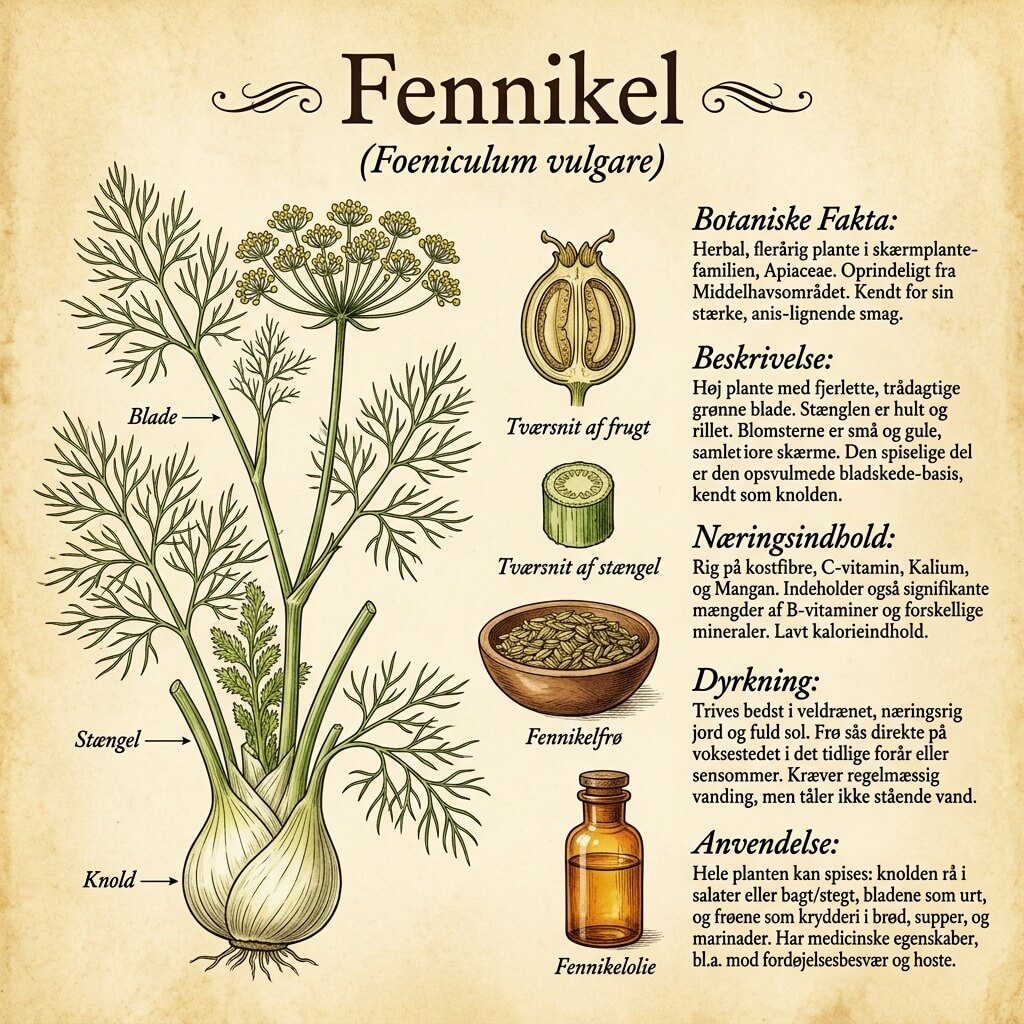
Fennel has a distinctive, mild anise and licorice flavor that comes from the aromatic compound anethole. Raw fennel bulb is fresh, slightly sweet, and crisp with a subtle peppery hint, while cooking mellows the licorice note and brings out a softer, almost sweet character.
When fennel is baked, grilled, or cooked in the airfryer, its natural sugars caramelize, and the flavor becomes rounded and nutty. The seeds have the most intense aroma and are used as a spice, while the feathery leaves resemble dill and are used as a fresh garnish.
Health Benefits of Fennel
Nutritional Profile
Fennel is rich in nutrients and offers a wide range of vitamins and minerals. Here are some of the most important nutrients in fennel:
- Vitamin C: A powerful antioxidant that supports the immune system and promotes skin health.
- Potassium: Important for heart function and helps regulate blood pressure.
- Dietary fiber: Promotes healthy digestion and may help lower cholesterol levels.
- Folate: Necessary for DNA synthesis and cell growth.
- Vitamin A: Beneficial for eyesight and the immune system.
- Calcium and magnesium: Important for bone health and muscle function.
This nutrient-rich profile makes this particular herb plant a healthy choice for those looking to improve their diet with natural foods.
Potential Health Effects
Fennel has several potential health effects. Its high antioxidant content can help protect cells from damage caused by free radicals. This may reduce the risk of chronic diseases such as heart disease and certain types of cancer.
Digestive benefits are among the most well-known advantages of this herb plant. It can help relieve bloating, gas, and stomach cramps. Fennel tea is a popular home remedy for digestive discomfort and is often used to soothe colic in infants.
Fennel is also believed to have anti-inflammatory properties. This may be beneficial for people with inflammatory conditions such as arthritis. Some studies suggest it may help regulate hormone levels and ease menopausal symptoms, but more research is needed in this area.
Culinary Uses of Fennel
In International Cuisine
Fennel is a versatile ingredient used in many international cuisines. In Italian cuisine, it’s often grilled or fried and served as a side dish. It’s also used in pasta dishes and risottos. In France, it’s an important part of “herbes de Provence”, a spice blend used in many dishes.
In the Middle East, fennel seeds are used to season meat and vegetables. In India, fennel seeds are part of spice blends and are used in curries and pickles. In Chinese cooking, fennel is included in marinades and sauces that give dishes a unique flavor.
Fennel in Recipes
There are countless ways to include fennel in your culinary creations:
- Salads: Thinly sliced raw, it adds a crisp texture and fresh flavor.
- Soups and stews: It can be simmered with other vegetables to add depth of flavor.
- Spice: Fennel seeds can be toasted and ground for use as a spice in bread and baked goods.
- Side dish: Grilled or baked fennel can be served as a healthy and delicious side dish.
- Beverages: Fennel tea is not only healthy but also a pleasant drink with a mild, sweet flavor.
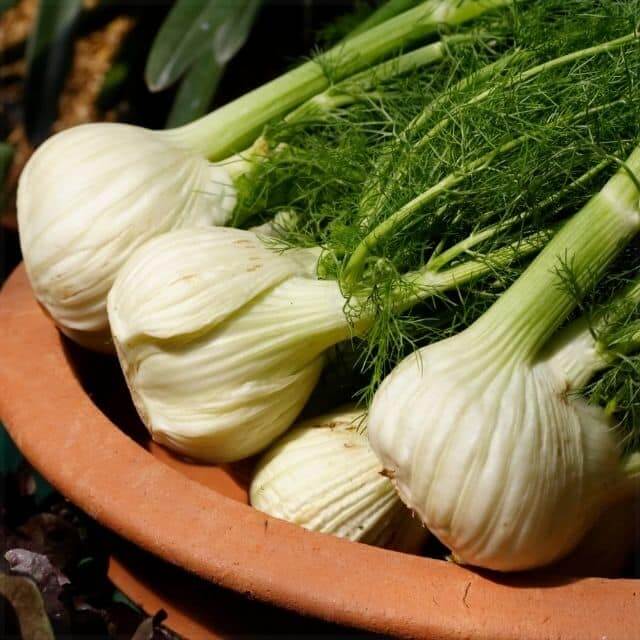
When buying fennel, look for bulbs that are firm and free of blemishes. Stalks and leaves should be green and fresh. Store fennel in a plastic bag in the refrigerator, where it will stay fresh for up to a week. If you’re not used to the flavor of fennel, start with small amounts and experiment with different recipes.
Fennel pollen is a gourmet ingredient that can add an intense and complex flavor to your dishes. The pollen has a more concentrated flavor than both the seeds and the bulb, with delicate notes of licorice, citrus, and flowers. You can sprinkle fennel pollen over salads, grilled vegetables, fish, or even desserts to give them a unique flavor boost.
Tips and tricks from the author: Morten Jensen
How to Grow Fennel in Denmark
Quick overview: Full sun, deep and evenly moist soil, no cold shock. Direct-sow bulb fennel late in spring or summer to avoid bolting. Herb fennel can be perennial in a mild location.
- Choose a variety. Bulb fennel (Foeniculum vulgare var. azoricum) for white bulbs. Herb fennel (Foeniculum vulgare) for leaves, flowers, and seeds — can grow tall and perennial.
- Location and soil. Full sun (6–8+ hours). Deep, well-drained, nutrient-rich soil with even moisture and near-neutral pH. Avoid drying out and compacted soil, and add 2–3 cm of compost to the top of the bed.
- Sowing time. Bulb fennel is direct-sown from late May to July, once the soil is warm. Herb fennel is sown April–May and can also be sown in autumn in a mild location.
- Sowing depth and spacing. Sow 1–1.5 cm deep. Keep 25–30 cm between plants and 40–45 cm between rows, and thin early for fast, even growth.
- Watering and fertilizing. Water regularly — even moisture is the key to juicy bulbs. Feed moderately with balanced nutrients every 3–4 weeks.
- Hilling. When the bulb begins to swell (about egg-sized), gently draw soil up around it to keep it white and crisp.
- Avoid bolting. Avoid transplanting, cold shock, drought stress, and irregular watering. Instead, sow in June–July for an autumn harvest for a more stable result.
- Harvest. Harvest the bulb at 6–10 cm in diameter — young bulbs are the most tender. Leaves are snipped as needed, and the seeds are harvested once the umbels are ripe and yellow-brown.
How to Cook Fennel in the Airfryer
The airfryer is perfect for fennel because the high, circulating heat caramelizes the bulb’s natural sugars and creates crispy edges with a soft, sweet center. The result is a delicious side dish in no time.
Total time: 20 minutes
- Prepare the fennel
Cut off the base of the fennel bulb and remove the tough outer layers. Halve the bulb and cut it into wedges about 1.5 cm thick.
- Season
Toss the wedges in olive oil, salt, pepper, and optionally a little fennel seed or lemon zest.
- Airfry
Place the wedges in a single layer in the basket and cook at 190°C for 12–15 minutes. Flip halfway through.
- Check and serve
The fennel is done when the edges are golden and the center is tender. Serve immediately with a squeeze of lemon or grated parmesan.
Fennel in Traditional Medicine
In traditional medicine, the plant has been used for centuries. In Ayurvedic practice, it is used to balance the doshas and improve digestion. Fennel tea is used to relieve menstrual cramps and increase milk production in breastfeeding mothers.
In Chinese medicine, it is considered warming and is used to treat cold conditions in the body. It is also used to relieve stomach pain and improve kidney function. These traditional uses underscore fennel’s significance as a healing plant.
Precautions and Potential Risks
Although fennel is generally safe, there are a few precautions to keep in mind:
- Allergies: People allergic to celery, carrots, or mugwort may also react to this herb.
- Pregnancy and breastfeeding: Pregnant and breastfeeding women should consult a doctor before consuming large amounts.
- Medication interactions: It may affect the action of certain medications, including estrogen pills and certain antibiotics.
- Excessive use: Consuming large amounts of fennel oil can be toxic and should be avoided.
It’s always a good idea to talk to a healthcare professional if you’re planning to use fennel as a supplement or for medicinal purposes.
Try This Recipe
Fennel’s fresh anise note is a classic partner for rich fish, where it cuts through and lifts the flavor. Serve airfryer-roasted fennel wedges with our Salmon Skewers in the Airfryer – Juicy Skewers with Caramelized Glaze in 10 Minutes — a light and elegant dinner in under half an hour.
Equipment and Products
Fennel pairs beautifully with smoked and marinated fish products, where the fresh bulb balances the rich, salty flavor. Try thinly sliced raw fennel as a fresh contrast to Kystfisken’s Smoked Fish Pack — a simple and delicious lunch spread.
Frequently Asked Questions
Herb fennel can overwinter in a sheltered, well-drained spot, often as a semi-hardy perennial. Bulb fennel is usually grown as an annual and cannot tolerate frost.
Bolting is typically caused by cold shock, drought stress, transplant stress, or very early sowing. Direct sowing, even watering, and sowing in June–July significantly reduce the risk.
The whole plant is edible. The bulb is used raw or cooked, the leaves as a dill-like garnish, and the flowers, pollen, and seeds are used as an aromatic spice with anise and licorice flavor.
Cut into wedges, fennel typically takes 12–15 minutes at 190°C. Flip the wedges halfway through so they turn evenly golden and tender.
Bulbs keep for 1–2 weeks in the refrigerator, ideally in a plastic bag. The leaves are used fresh or frozen chopped, and the seeds are fully dried and stored airtight.
Facts About Fennel
| Field | Value |
|---|---|
| English name | Fennel |
| Latin name | Foeniculum vulgare (var. azoricum for bulb) |
| Family | Carrot family (Apiaceae) |
| Plant type | Annual (bulb fennel) / semi-hardy perennial (herb fennel) |
| Height | Bulb fennel 40–80 cm; herb fennel 1–2 m |
| Hardiness | Bulb fennel cannot tolerate frost; herb fennel can survive mild winters |
| Light | Full sun |
| Soil | Deep, nutrient-rich, well-drained soil with even moisture; neutral pH |
| Sow/plant | Bulb: direct-sow late May–July; herb: April–May. Spacing 25–30 cm |
| Flowering/Harvest | Bulbs at 6–10 cm; leaves ongoing; seeds late summer |
| Flavor | Mild anise/licorice, fresh and sweet |
| Culinary use | Raw in salads, grilled/baked, with fish, pork, and chicken; seeds in sausages, bread, and tea |
| Storage | Bulbs 1–2 weeks refrigerated; leaves fresh or frozen; seeds dried and stored airtight |
