

Star anise is a spice with a unique star shape and an intense licorice-like aroma. The dried fruit of the evergreen tree Illicium verum has been used for millennia in China and Vietnam, finding its way into everything from Chinese five-spice and Vietnamese pho to European spirits and Danish mulled wine (gløgg). In Denmark, star anise is sold mainly as an imported spice, but interest in exotic plants means that some enthusiastic gardeners try their hand at growing it in a greenhouse or conservatory.

Advertisement: The page displays ads and contains advertising links (affiliate links). See our advertisers here.
Star anise is the star-shaped fruit of an Asian tree and a key spice in Chinese five-spice, pho, mulled wine, and braised meat and pork dishes. It’s important to distinguish it from the toxic Japanese star anise (Illicium anisatum), which must never be used culinarily. This guide offers a thorough introduction to its flavor, history, uses, health aspects, cultivation, harvesting, and storage.
Estimated reading time: 9 minutes
History and Origin
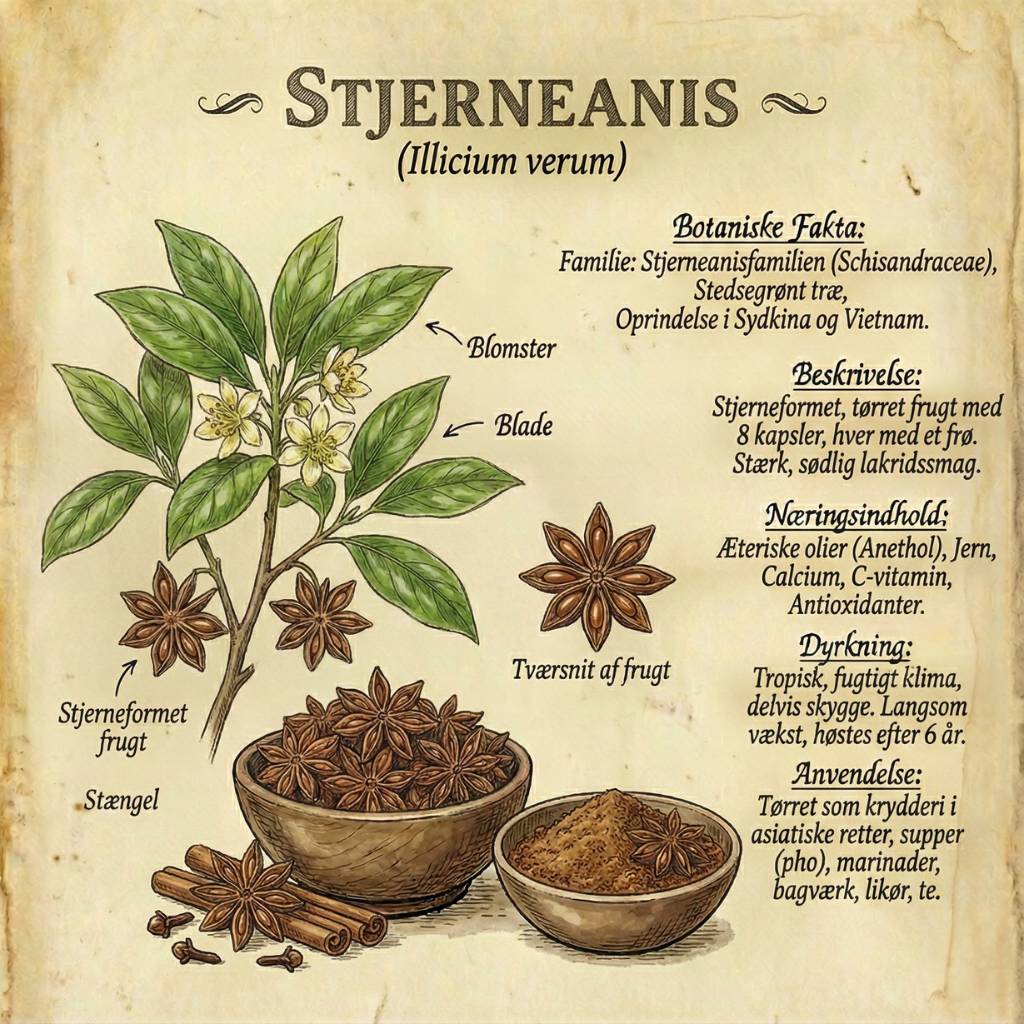
Star anise is the dried fruit of the Chinese evergreen tree Illicium verum, which belongs to the family Schisandraceae. The spice has its roots in the subtropical forests of China and Vietnam, where it has been used for more than 3,000 years.
Botany and the Plant
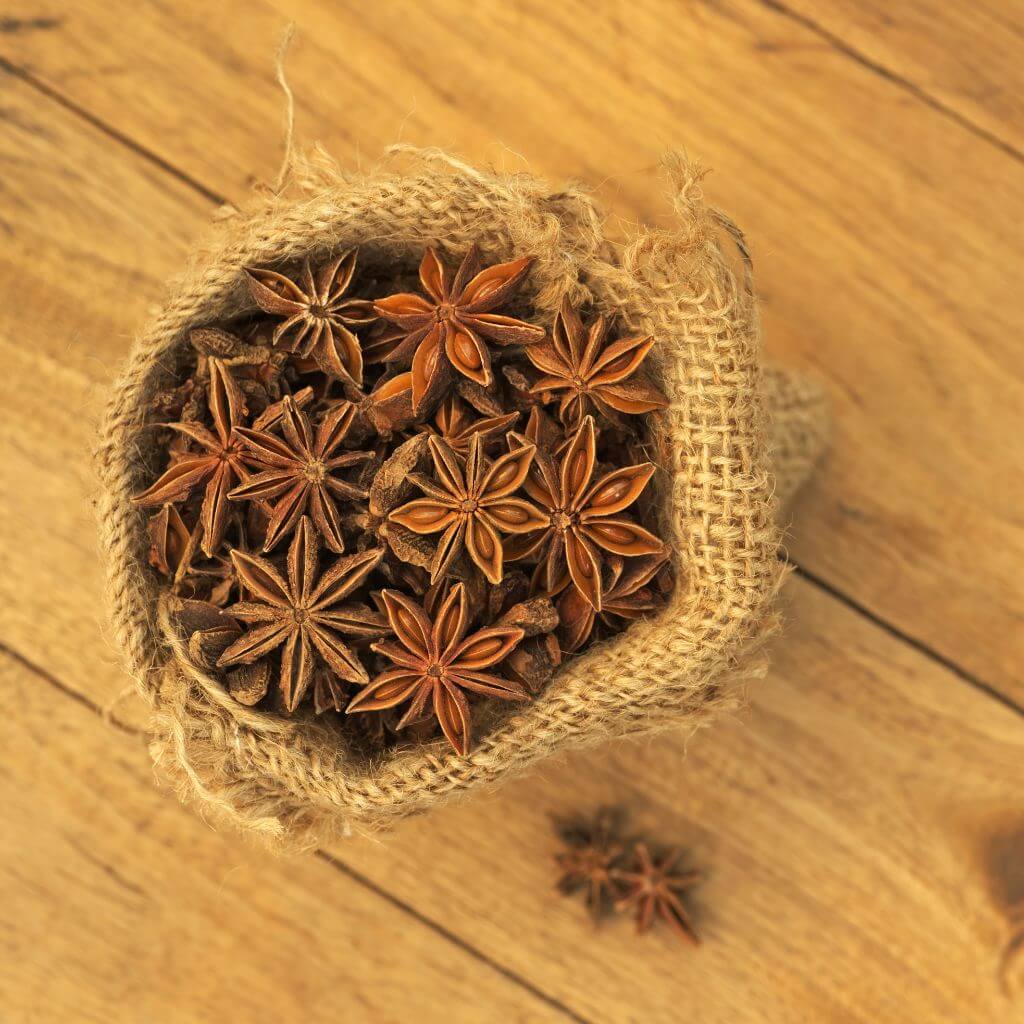
The characteristic eight-pointed seed pods are brown and woody, with small, shiny seeds in each chamber. The tree Illicium verum is native to subtropical regions of southern China and northern Vietnam, where it can grow 5–8 meters tall and bears glossy, leathery leaves and reddish flowers. The star-shaped fruits form after flowering and are picked unripe to preserve their intense aroma.
The flavor resembles aniseed, but the plant is botanically unrelated and grows as a tree, whereas aniseed comes from the herb Pimpinella anisum. Since the plant requires warmth and moisture and cannot tolerate frost, growing it in Denmark is challenging and can only be done in a heated greenhouse or as a container plant overwintered frost-free.
From China to Europe
In traditional Chinese medicine, star anise was used as a digestive tea and quickly found its way into Asian cuisine as part of five-spice, in pho, and in braised meat dishes. Portuguese and Dutch traders brought star anise to Europe in the 1600s, where it was first sold through apothecaries and later adopted in the art of distilling absinthe, pastis, and ouzo. In Denmark, star anise became popular in Christmas baking, mulled wine (gløgg), and homemade snaps.
The Latin species name Illicium verum means “true attractant” and refers to its intense aroma. Colloquially, it’s also known as Chinese anise, badian, or eight-horned anise. Its close relatives, Japanese star anise (Illicium anisatum) and swamp star anise (Illicium parviflorum), are toxic and must not be used in food – so always buy the spice from reliable sources.
Flavor and Aroma
The flavor of star anise is sweet, warm, and intense, with notes of licorice, fennel, and a slight peppery undertone. It releases a powerful aroma even in small amounts and can quickly dominate a dish, so it should be used thoughtfully. The flavor comes primarily from the compound anethole, which is also found in aniseed and fennel.
Star anise pairs well with cinnamon, cloves, cardamom, angelica, and ginger. In savory dishes, it especially complements fatty meats like pork, duck, and beef, as well as marinades for game, and it lifts broths, carrot soups, beetroot, and mushrooms. In sweet cooking, it suits apples, pears, plums, orange, honey, and chocolate. Avoid overdosing, as the flavor easily turns bitter, and avoid combining it with very bitter herbs like wormwood.
Culinary Uses
The characteristic licorice-like flavor makes star anise a versatile spice in both sweet and savory dishes. A small amount goes a long way.
In the Danish Kitchen
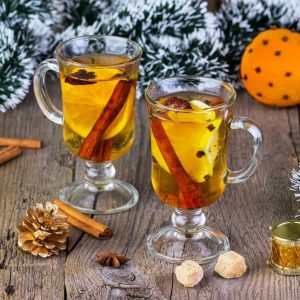
In Denmark, star anise is often found in mulled wine (gløgg), honey cakes (honningkager), and æbleskiver, as well as in homemade snaps. It’s closely tied to the winter season, when its aroma spreads hygge through the kitchen.
- Add a couple of whole stars to the pot when simmering red wine for mulled wine.
- Crush star anise lightly and add it to pickled red onions or red cabbage.
- Make a spice blend with cinnamon, cloves, cardamom, and star anise for spiced cookies.
- Infuse neutral oil with whole stars and use it to marinate meat or vegetables.
- Add a pinch of ground star anise to apple compote or pears cooked in syrup.
Try Them in Our White Mulled Wine
Internationally
In Chinese and Vietnamese cuisine, whole stars are used in simmered dishes like pho, soy-braised beef, and glazed duck. In India, star anise is part of masala blends and biryani. In the Middle East, it’s used in spiced rice dishes, and in France, Italy, and Greece in spirits like absinthe, sambuca, and ouzo.
Preparation
Whole star anise can be added at the beginning of cooking and removed again before serving. Toast the stars lightly in a dry pan to intensify the aroma. Ground star anise is concentrated and well suited for baking, marinades, and spiced salt – grind only the amount you need, right before use. The flavor develops especially well in combination with fats and sweet components.
Health and Safety
Star anise contains bioactive compounds such as anethole, linalool, quercetin, shikimic acid, and gallic acid, which give the spice antioxidant, anti-inflammatory, and antimicrobial properties. Shikimic acid is a key ingredient in the antiviral drug Tamiflu, and star anise is its primary natural source.
Bioactive Compounds
Traditionally, star anise is used as a tea for digestive issues, coughs, and colds. However, modern research is limited; most studies have been conducted in test tubes or on animals, and there is a lack of evidence for effects in the human body. Pure Chinese star anise is generally considered safe in culinary amounts. This text does not replace professional health advice.
Warning: Japanese Star Anise Is Toxic
Japanese star anise (Illicium anisatum) is toxic and must never be used in food. It contains neurotoxins that can cause seizures and hallucinations. Mixtures of Chinese and Japanese star anise have caused poisoning in infants, so young children should not be given star anise tea. Chinese star anise smells sweet and licorice-like, while Japanese star anise has a sharper, camphor-like odor and shorter, thicker points. Always buy the spice from reliable suppliers, and contact a doctor if serious symptoms occur.
Cultivation and Harvest
Star anise requires subtropical conditions and cannot tolerate frost. In Denmark, it’s grown only by specialists in heated greenhouses or as a container plant that is brought indoors for winter.
Growing Conditions
- Light: Partial shade or dappled light. Protect from harsh afternoon sun and dry wind.
- Soil: Rich, well-drained, and slightly acidic soil with a pH of 6.0–7.5.
- Water: Even moisture, at least 1 cm of water per week, but the soil must not become waterlogged.
- Temperature: Keep above 10 °C; overwinter frost-free at 5–10 °C. Not hardy in Denmark.
How to Grow Star Anise
Total time: 4-6 years
- Pre-sprout the seeds
The seeds ripen inside the dried stars. Let the seeds sink in water to test viability, and use only the ones that sink. Sow them in February-March in moist seed-starting soil with a thin layer of soil on top. Keep at 20-25 °C; germination takes 4-8 weeks.
- Prick out the seedlings
Once the seedlings have 2-3 leaves, prick them out into individual pots with potting soil, perlite, and sand. Ensure good drainage.
- Harden off the plants
In May, gradually acclimate the plants to outdoor conditions by keeping them in partial shade during the day and bringing them indoors at night. Avoid temperatures below 10 °C.
- Plant, water, and feed
Plant in large pots or in a greenhouse bed with porous, compost-enriched soil in a sheltered, partially shaded spot. Water when the top 2 cm of soil is dry, and apply compost in spring – avoid overfertilizing and fertilizing in autumn.
- Harvest and dry
Harvest the fruits September-November, when they change from green to reddish-brown and the chambers begin to open. Dry them in the sun or in a dehydrator on low heat until they unfold into stars.
Storage
Store dried star anise in an airtight jar in a dark, cool place. To test whether harvested stars are dry enough, crush a seed; if it smells strongly of licorice, the star is ready.
- Whole stars retain their aroma for up to two years.
- Ground powder loses strength after 6–12 months – grind only what you need.
- Leftover seeds can be saved and used to sow new plants.
Look-Alikes and Quality
Star anise is often confused with aniseed and the toxic Japanese star anise. Aniseed comes from an entirely different plant (Pimpinella anisum) and consists of small, pale seeds with a milder flavor. Japanese star anise (Illicium anisatum) resembles Chinese star anise but has shorter, thicker points and a sharp, camphor-like odor – and it contains neurotoxins. Always buy the spice from reliable suppliers to avoid mix-ups.
Buying and Quality
In Denmark, you’ll find whole star anise in Asian specialty stores, greengrocers, and larger supermarkets. The best stars have eight intact, unbroken chambers and a deep reddish-brown color, with a clear, sweet aroma. Ground star anise is convenient, but should be bought in small quantities, as the flavor fades after a few months. Organic products ensure the spice was grown without pesticides.
Sustainability
Since star anise is mainly grown in China and Vietnam, its transport carries a climate footprint. By buying from suppliers focused on sustainable production, you support good growing practices. As a home gardener, you can grow star anise in pots; as long as the plant is kept frost-free, it requires moderate watering and has few disease or pest problems.
Try This Recipe
Star anise is made for Asian dishes, where its sweet, warm licorice note plays beautifully with soy, ginger, and sesame. A couple of whole stars in the marinade add depth and an authentic Asian aroma. Try the flavor in our Air Fryer Tofu – Crispy Asian Salad with Marinated Tofu, where a touch of star anise in the marinade lifts the overall flavor.
Equipment and Products
The quality of star anise matters greatly for the flavor, and organic whole stars preserve the aroma best. If you want a reliable spice from a trusted source, try Organic Star Anise 30g from Mill & Mortar – whole stars you can crush or grind yourself right before use for maximum aroma.
Frequently Asked Questions
Chinese star anise (Illicium verum) is edible and smells sweet and licorice-like. Japanese star anise (Illicium anisatum) is toxic, has shorter and thicker points along with a sharp, camphor-like odor, and must never be used in food.
No. They taste similar because of the compound anethole, but star anise is the fruit of the tree Illicium verum, while aniseed is the seed of the herb Pimpinella anisum. They are botanically unrelated plants.
Only with difficulty. The tree cannot tolerate frost and must be overwintered frost-free at 5-10 °C in a heated greenhouse or as a container plant brought indoors for winter.
In small culinary amounts, pure Chinese star anise is generally considered safe. Avoid large doses and products mixed with Japanese star anise, and don’t give star anise tea to infants and young children.
Use whole stars, toast them lightly in a dry pan before use, and add them early in cooking so the aroma can develop. Store the spice in an airtight jar in a dark place.
Star Anise Facts
| Field | Value |
|---|---|
| English name | Star Anise |
| Latin name | Illicium verum |
| Family | Schisandraceae (the star anise family) |
| Plant type | Evergreen tree / shrub |
| Origin | Southern China and northern Vietnam |
| Height | 5–8 m |
| Hardiness | Not frost-tolerant; requires frost-free overwintering |
| Harvest | September–November; fruits are harvested unripe and dried |
| Flavor | Sweet, warm, licorice-like, slightly peppery |
| Culinary use | Simmered dishes, pho, masala, mulled wine, baking, snaps |
| Safety | Only the Chinese species is edible; Japanese star anise is toxic |
| Storage | Whole stars in an airtight jar; grind before use |
