

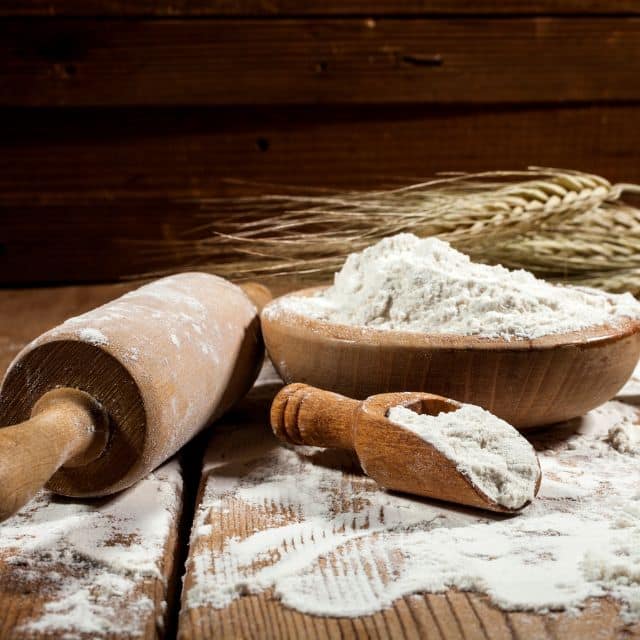
Wheat flour is one of the most widely used ingredients in the kitchen, both in Denmark and globally. It’s the foundation of a huge range of recipes, from bread and cakes to pasta and sauces. Wheat flour is made from ground wheat kernels and can vary considerably depending on the type of wheat and the processing method used.

Advertisement: The page displays ads and contains advertising links (affiliate links). See our advertisers here.
Each type has its own unique properties that make it particularly suited to certain uses – which is why it’s important to choose the right type of flour for the recipe at hand. In this article, we dive into the different types of wheat flour, their uses and nutritional value, plus give you some tips on how to choose and use wheat flour in your cooking.
Estimated reading time: 7 minutes
- History and Origin
- About Danish Wheat Flour
- Types of Wheat Flour
- Culinary Uses
- Nutritional Value
- Choosing the Right Wheat Flour
- Tips for Using Wheat Flour in Recipes
- How to Bake Bread with Wheat Flour
- Storage
- Recipe Suggestions
- Conclusion
- Try This Recipe
- Equipment and Products
- Frequently Asked Questions
- Facts About Wheat Flour
History and Origin
Wheat (Triticum aestivum) is one of the world’s oldest cultivated crops and was domesticated in the Fertile Crescent in the Middle East around 10,000 years ago. The art of grinding kernels into flour is almost as old – from the earliest hand querns made of stone, through water and wind mills, to today’s roller mills, which can separate the parts of the kernel with great precision.
Wheat arrived in Denmark with the first farmers thousands of years ago, but for long periods rye remained the dominant bread grain. It wasn’t until the 19th and 20th centuries that wheat flour became commonplace there, and today wheat is the most widely grown grain in Denmark.
About Danish Wheat Flour
In Denmark, wheat flour is a staple in many classic dishes and baked goods. Danish grain is known for its high quality, a result of the temperate climate and good growing conditions found there. Danish wheat flour is also often produced with a focus on sustainability and environmentally friendly production methods.
When buying wheat flour in Denmark, you can often choose between different varieties, especially suited for baking, cooking, or specialty recipes. Danish wheat flour is also enriched with vitamins and minerals, making it a healthy choice in many kitchens.
Types of Wheat Flour
All-Purpose Flour
All-purpose flour (also called plain flour in the UK) is the most widely used type of wheat flour. It’s a versatile flour that can be used in a broad range of recipes, including bread, cakes, cookies and sauces.
All-purpose flour is made from a blend of hard and soft wheat. This gives it a moderate protein content of around 10-12%. That makes it well suited to baking, where you want a balance between structure and softness. Thanks to its versatility, all-purpose flour is often the one kept in the pantry as a staple ingredient for many different purposes.
Whole Wheat Flour
Whole wheat flour is made from the whole wheat kernel, meaning the bran, germ and endosperm are all retained. This makes whole wheat flour a more nutrient-dense option compared to all-purpose flour, as it contains more fiber, vitamins and minerals.
The higher fiber content in whole wheat flour makes it a popular choice for anyone looking to increase their intake of whole grains. This type of flour has a darker color and a more robust flavor, giving baked goods like bread and muffins a denser texture and a fuller taste. Because of its higher fiber content, whole wheat flour often requires a bit more liquid in recipes.
Culinary Uses
Baking
Wheat flour is a fundamental ingredient in baking, and different types are used to create different textures and flavor experiences in baked goods. All-purpose flour is ideal for baking cakes, cookies and bread, where it gives a light and airy crumb.
Whole wheat flour, on the other hand, is often used in recipes where you want a denser texture and a fuller flavor, such as rye bread or whole wheat bread. Wheat flour is also important in cake baking, where it helps create the right consistency, keeping the cake soft yet structured enough to hold its shape.
Cooking
Besides baking, wheat flour is also used in many cooking processes. It’s used as a thickener in sauces, soups and stews, where it helps create a smooth, even consistency.
It’s also used for breading meat and fish, where it helps create a crispy crust when frying. In many pasta dough recipes, wheat flour is a key ingredient, as it gives the dough the right elasticity and structure. Wheat flour is also used in the preparation of many traditional Danish dishes, where it helps create both flavor and texture.
Nutritional Value
Wheat flour is an important source of energy and nutrients in the diet. It contains carbohydrates, which serve as the body’s primary energy source. Wheat flour also contains a moderate amount of protein, which is essential for the body’s growth and maintenance. Whole wheat flour is especially nutrient-rich, as it contains all parts of the wheat kernel, contributing extra fiber, vitamins and minerals such as iron, magnesium and B vitamins.
The fiber content in whole wheat flour helps promote healthy digestion and can help regulate blood sugar levels. At the same time, it contributes to a longer-lasting feeling of fullness, which can be beneficial for those wanting to manage their weight. All-purpose flour contains less fiber, since the bran and germ are removed during processing – but it’s still a valuable source of carbohydrates and protein.
For people with gluten intolerance or celiac disease, however, wheat flour is not a suitable choice, as it contains gluten. For them, it may be necessary to choose gluten-free alternatives or specific types of wheat flour that have been processed to remove gluten.
Choosing the Right Wheat Flour
When choosing wheat flour for a particular recipe, it’s important to consider which type of flour suits the purpose best. For light baked goods like cakes and cookies, all-purpose flour is often the best choice, as it gives a soft and airy structure. For bread and other baked goods where you want a denser crumb and a more robust flavor, whole wheat flour is preferable.
It can also help to look at the flour’s protein content, as this affects the dough’s elasticity and the structure of the finished baked goods. For recipes that require a very elastic dough, such as pizza dough or pasta dough, it can be beneficial to choose a flour with a higher protein content.
Tips for Using Wheat Flour in Recipes
When using wheat flour in recipes, there are several things you can do to get the best result. First and foremost, it’s important to measure the flour correctly, as too much or too little flour can affect the consistency and structure of your baked goods. Use a scale to measure the flour precisely, or fluff it up with a spoon before measuring it with a measuring cup.
Sifting the flour can also help remove any lumps and give a lighter consistency in your baked goods. If you’re using whole wheat flour, consider combining it with all-purpose flour to achieve a balance between nutritional value and texture.
Remember to adjust the amount of liquid in recipes when using different types of wheat flour. Whole wheat flour absorbs more liquid than all-purpose flour, so you may need to add a little extra liquid to the dough to achieve the desired consistency.
How to Bake Bread with Wheat Flour
Total time: 2 hours
- Mix the dough
Dissolve the yeast in lukewarm water, then add salt and wheat flour a little at a time until the dough comes together.
- Knead the dough
Knead the dough thoroughly for 8-10 minutes, until it’s smooth and elastic – this develops the gluten network.
- Let the dough rise
Let the dough rise, covered, in a warm place for about 1 hour, until it has doubled in size.
- Shape and proof
Shape the dough into a loaf or rolls, and let it proof for 20-30 minutes.
- Bake the bread
Bake the bread in the air fryer at 160-180°C, until it sounds hollow when you tap the bottom.
Storage
Wheat flour keeps best when stored properly:
- Store the flour in an airtight container, in a cool, dry place – away from direct sunlight
- All-purpose flour typically keeps for 9-12 months, while whole wheat flour keeps for a shorter time (3-6 months), because the natural fats in the germ can turn rancid
- Keep the flour away from strong odors, which it easily absorbs, and check for flour mites if the bag has been open for a long time
Recipe Suggestions
Here are some recipes where you can use different types of wheat flour to create delicious and nutritious dishes:
- Whole Wheat Bread: Use whole wheat flour to bake a healthy, hearty bread that’s rich in fiber and flavor. Feel free to add different seeds and grains for extra texture and nutrition.
- Wheat Flour Pasta: Make homemade pasta by mixing all-purpose flour with eggs and a pinch of salt. This recipe gives an elastic, flavorful pasta dough that can be used for lasagna, tagliatelle or ravioli.
- Pancakes: Use a blend of all-purpose flour and whole wheat flour to make healthy, delicious pancakes. Add a little honey and fresh berries for extra sweetness and freshness.
- Homemade Cookies: All-purpose flour is perfect for baking crispy cookies that can be enjoyed as a sweet snack or dessert. Add chocolate, nuts or dried fruit to tailor the recipe to your taste.
These recipes show how you can make the most of the different types of flour to create varied, nutritious dishes.
Conclusion
Wheat flour is a versatile ingredient that can be used in many different recipes, and by understanding the different types of wheat flour and their uses, you can improve your culinary skills and enjoy healthier, more flavorful meals.
Try This Recipe
Wheat flour’s gluten network is the secret behind airy pockets that puff up in the heat. See it in action with our Air Fryer Pita Bread – Airy Pockets with a Crispy Crust in 8 Minutes.
Equipment and Products
If you’re baking pizza or focaccia dough with wheat flour, you can elevate the flavor with the right sprinkle of seasoning. Find it in the shop: Pasta & Pizza Seasoning 60g.
Frequently Asked Questions
Wheat flour is made from ground wheat kernels. In all-purpose flour, the bran and germ are sifted out, while whole wheat flour contains the entire kernel.
All-purpose flour typically contains 10-12% protein. The higher the protein content, the more elastic the dough becomes – good for pizza and pasta dough.
Yes, wheat flour contains gluten and is therefore not suitable for people with celiac disease or gluten intolerance.
Whole wheat flour contains the entire kernel with bran and germ, so it has more fiber, vitamins and minerals, as well as a darker color and a more robust flavor. It also absorbs more liquid.
All-purpose flour typically keeps for 9-12 months in an airtight container in a cool, dry place. Whole wheat flour keeps for a shorter time, about 3-6 months.
Facts About Wheat Flour
| Field | Value |
|---|---|
| Ingredient | Wheat (Triticum aestivum) |
| Calories | Approx. 340 kcal per 100 g |
| Protein | 10-12 g per 100 g |
| Carbohydrates | Approx. 72 g per 100 g |
| Gluten | Yes |
| Typical Uses | Bread, cakes, pasta, breading, thickening |
| Storage | Airtight, dry and cool |
| Shelf Life | 9-12 months (whole wheat: 3-6 months) |
