

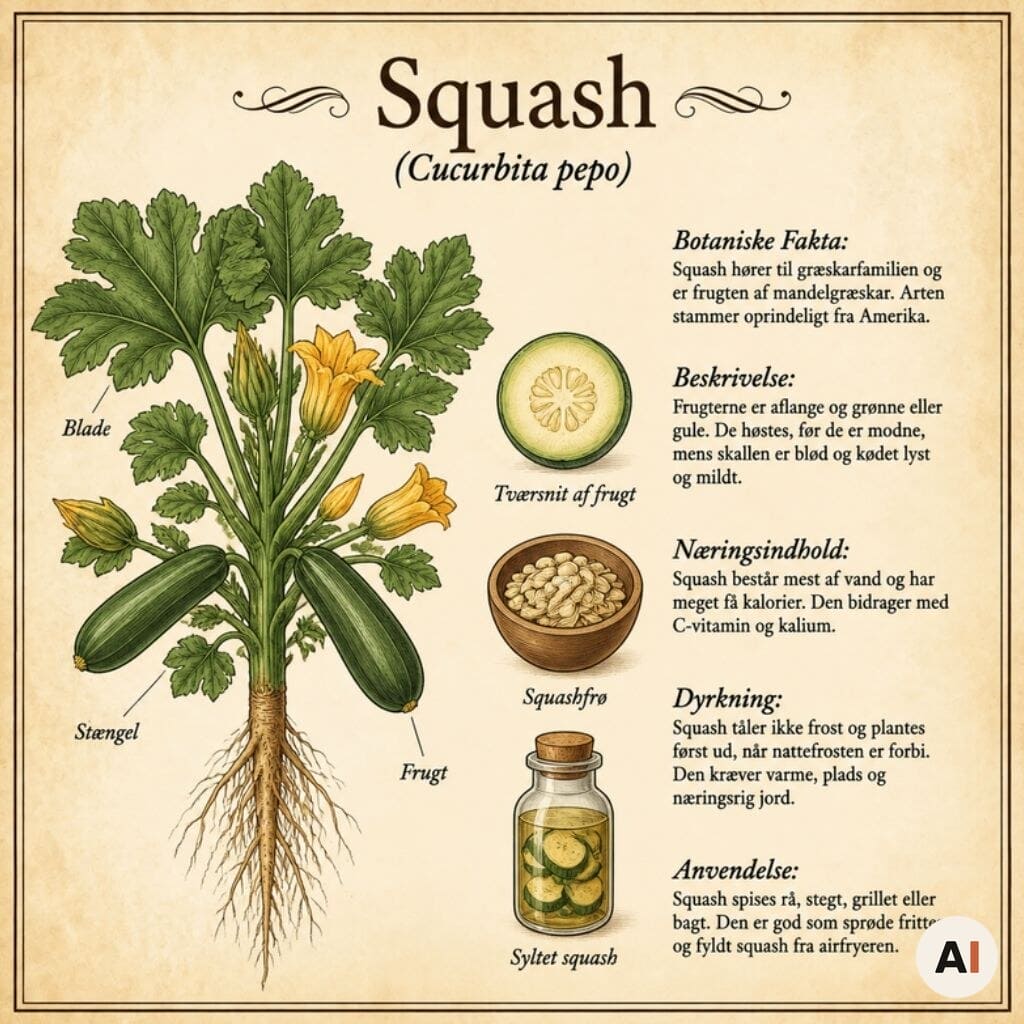
Zucchini is one of summer’s most rewarding vegetables. It is mild, quick to cook and so versatile that it fits into everything from crispy fritters and colorful vegetable platters to moist cakes. Botanically speaking, a zucchini is the immature fruit of the pepo squash, Cucurbita pepo, and the plant belongs to the gourd family along with cucumber, melon and pumpkin.
You may also know it as courgette, or simply as summer squash – different names for the same vegetable. You can buy zucchini most of the year, but it tastes best in season, which runs from July to September in Northern Europe, when the small, firm fruits come straight from the field and the vegetable garden.
I love zucchini in the air fryer because the hot air gives slices and sticks a golden-brown surface without making them greasy. Here you get the history, the flavor, the nutritional content and how to grow it – plus my best tips for storing and cooking it.
Estimated reading time: 8 minutes
History and origin
From Mesoamerica to Milan
The story of zucchini begins in Mesoamerica. Squash and pumpkins were domesticated in Mexico and Central America more than 7,000 years ago and, together with corn and beans, became one of the cornerstones of the Indigenous peoples’ food culture. When Europeans reached the Americas, the squash plants found their way across the Atlantic, where they were grown and bred in many different forms.
The long, green zucchini we know today is a relatively new invention, though. It was bred near Milan in the late 1800s, and the first description under the name zucchini appears in a work published in Milan in 1901. From there it spread to the rest of Europe and later to large parts of the world.

Zucchini, courgette or squash?
The name zucchini is the plural of the Italian zucchino, which is a diminutive of zucca, meaning squash or pumpkin. A zucchino is, in other words, a small squash. The French courgette is a 20th-century coinage and is also used in British English today, while Americans say zucchini.
In Denmark, the vegetable is simply called squash, a word borrowed from English. In English, however, squash is a broader term: summer squash, such as the long green or yellow zucchini, are eaten while still immature, whereas winter squash, such as butternut and hokkaido, are harvested ripe with a hard rind. Botanically, zucchini is classified as C. pepo var. cylindrica.
Flavor and aroma
Mild and fresh
Raw zucchini has a mild, fresh and slightly grassy flavor with a hint of sweetness. The flesh is crisp, and the thin skin gives a little bite. Because the flavor is so subtle, zucchini is an excellent carrier of other flavors and happily takes on garlic, lemon, chili, fresh herbs and aged cheese.
When zucchini meets the heat
When zucchini is pan-fried, grilled or baked, it changes character. The surface turns golden and caramelized, and the flavor becomes rounder, sweeter and slightly nutty. That is exactly the effect you get in the air fryer, where the hot air gives the edges color while the inside stays juicy.
Size and varieties
Size matters a lot for flavor. Small and medium-sized zucchini have firm flesh, small seeds and the most concentrated flavor. If they are allowed to grow large, the flesh turns watery and spongy and the seeds become coarse – then they are best suited to soups, stews and cakes.
Besides the classic dark green zucchini, there are light green, yellow and round types. Well-known varieties include the almost black Black Beauty, the striped Cocozelle, the pale Bianco di Trieste and the round Ronde de Nice, which is perfect for stuffing.
Culinary uses
In the home kitchen
Zucchini is most often served as a light side dish – grilled, pan-fried or oven-roasted – with meat, fish and chicken. It is also popular as zucchini noodles, where it is cut into long strands with a spiralizer and used instead of pasta. And it likes to hide in meatballs, tarts, cakes and breads, where it adds moisture without taking over.
Around the world
Around the world, zucchini has a firm place in many classic dishes. In the south of France it is indispensable in ratatouille, and Italians, the French and the Lebanese all stuff it with everything from meat and rice to herbs and cheese. Deep-fried zucchini is a beloved classic in both Italy and France.
- Ratatouille (France): Provençal vegetable dish with zucchini, eggplant, bell pepper and tomato.
- Zucchine ripiene (Italy): hollowed-out zucchini stuffed with, for example, meat, bread and grated cheese and baked in the oven.
- Courgettes farcies (France): stuffed zucchini, often of the round type from Nice.
- Kousa mahshi (Lebanon): zucchini stuffed with rice and ground meat, often simmered in tomato sauce.
- Zucchine fritte and courgettes frites: deep-fried zucchini from Italy and France.
In the air fryer
The air fryer and zucchini are an obvious match. Cut the zucchini into evenly sized slices, wedges or sticks, toss the pieces in a little oil and seasoning, and spread them in a single layer in the basket so the hot air can circulate around each piece. Shake the basket during cooking so they brown on all sides.
The most important trick is to keep the moisture under control. For fritters, I grate the zucchini, sprinkle it with a little salt and squeeze the water out in a clean dish towel before it goes into the batter. For stuffed zucchini, I halve the fruits lengthwise, scoop out the seeds and fill them, so they turn tender inside and golden on top.
Health benefits
Light and water-rich
Zucchini is a light vegetable with a very high water content: 94.6 g of water per 100 g. At the same time, it provides only 16 kcal per 100 g when raw, which makes it an obvious choice when you want to fill the plate with greens without making the meal heavy.
Vitamins and fiber
Zucchini contributes especially vitamin C and folate, and it also contains vitamin B6, riboflavin (vitamin B2) and a little dietary fiber. The skin is edible, so leave it on. Vitamin C is sensitive to heat, which is why brief cooking preserves the most of it. Here are the key figures per 100 g of raw zucchini:
- Energy: 16 kcal
- Water: 94.6 g
- Protein: 1.2 g
- Fat: 0.2 g
- Carbohydrates: 2.9 g
- Dietary fiber: 1.1 g
- Vitamin C: 17 mg
- Folate: 48 µg
- Vitamin B6: 0.218 mg
- Vitamin B2 (riboflavin): 0.142 mg
Watch out for bitter zucchini
If a zucchini tastes very bitter or metallic, it may contain cucurbitacins. These are toxic bitter compounds that can cause nausea, stomach pain, vomiting and diarrhea. If that happens, discard the whole zucchini and do not eat any more of it. The bitter compounds do not disappear with cooking, so you cannot fry or boil them away.
Growing
What zucchini needs to thrive
Zucchini is easy to grow in a home vegetable garden as long as it gets enough sun, warmth and nutrients. It is an annual, herbaceous plant that does not tolerate overnight frost. Here are the most important growing conditions:
- Light: full sun in a warm, sheltered spot.
- Soil: nutrient-rich, humus-rich soil, preferably with added compost.
- Water: even watering – drought and irregular watering can promote bitter compounds.
- Hardiness: not hardy; the plant is frost-tender and should not be planted out until there is no longer a risk of overnight frost.
Harvest often
In high summer, a zucchini can grow large in a short time, so keep an eye on the plants. Harvest the fruits continuously while they are small and tender – usually at about 15–25 cm. The more often you harvest, the more new fruits the plant sets. The flowers are, by the way, edible and are often stuffed and deep-fried in Italy.
Be careful with your own seeds
Buy new seeds every year instead of saving your own. Zucchini can cross-pollinate with ornamental gourds, and home-saved seeds can therefore produce fruits with a higher content of toxic bitter compounds. Taste a small piece of a home-grown zucchini before you use it, and spit it out if it tastes bitter.
How to grow zucchini step by step
Total time: 4-5 months
- Sow in pots
In northern Europe, sow the seeds in mid-May in 12–13 cm pots in the greenhouse. Fast-maturing varieties can also be sown directly outdoors at the same time if the weather is good.
- Prepare the bed
Choose a sunny, warm and sheltered spot, and mix compost into the soil so it becomes nutrient-rich and full of humus.
- Plant out
Plant the young plants out when there is no longer any risk of overnight frost, and give them plenty of room to spread.
- Water evenly
Water evenly and regularly, especially during dry spells. Drought and irregular watering can promote bitter compounds in the fruits.
- Harvest continuously
Harvest the fruits from July while they are small and tender, usually at about 15–25 cm. Keep going throughout the season, until September or October.
Storage
In the refrigerator
Zucchini is best stored in the refrigerator’s vegetable drawer, where it keeps for about 4–7 days. Place it whole and unwashed in the drawer, and wash it only right before use, because moisture on the skin makes it turn soft and spotty faster.
How to choose a fresh zucchini
Choose zucchini that are firm, smooth and glossy and feel heavy for their size. Soft spots, wrinkled skin and a dried-out stem are signs that it has been sitting too long.
Storage tips
- Cut pieces: wrap them tightly or place them in a closed container in the refrigerator, and use them quickly.
- Keep away from apples and bananas: they give off ethylene, which makes zucchini turn soft faster.
- Freezing: zucchini can be frozen, but it turns soft when thawed. It is best frozen grated and in portions, for soups, sauces and cakes.
Try this recipe
Zucchini’s high water content is both its strength and its challenge: it gives juiciness, but it can get in the way of crispness. That is why fritters are an obvious place to start, because here the air fryer’s dry, hot air gets to work for you. Try our recipe for Zucchini fritters in the air fryer – small, crispy and juicy every time – I like to grate a mix of green and yellow zucchini when the garden is overflowing in August, and serve the fritters with a cold yogurt dip with lemon and fresh mint.
Frequently asked questions
In practice, there is no difference. Zucchini and courgette are two names for the same vegetable – the immature fruit of Cucurbita pepo – which is a type of summer squash. Zucchini is the Italian name and courgette the French one; Americans say zucchini, the British say courgette, and in Denmark we mostly just say squash.
No, the skin is thin and edible and adds both color and bite. Rinse the zucchini, trim the ends and use it with the skin on. Only very large zucchini with a tough skin benefit from being peeled.
Zucchini keeps for about 4–7 days in the refrigerator’s vegetable drawer. Store it whole and unwashed, and wash it only right before use. If it becomes soft, wrinkled or spotty, it is getting too old.
Yes, a zucchini that tastes very bitter or metallic may contain cucurbitacins. These are toxic bitter compounds that can cause nausea, stomach pain, vomiting and diarrhea. Discard the whole zucchini – the bitter compounds do not disappear with cooking.
Cut the zucchini into evenly sized pieces, toss them in a little oil and spread them in a single layer in the basket so the air can circulate. Shake the basket during cooking. For fritters, grate the zucchini and squeeze out the moisture before it goes into the batter.
Zucchini facts
| Fact | Details |
|---|---|
| English name | Zucchini (also called courgette or summer squash) |
| Latin name | Cucurbita pepo (zucchini: C. pepo var. cylindrica) |
| Family | Gourd family (Cucurbitaceae) |
| Plant type | Annual, herbaceous plant – the fruit is harvested immature |
| Hardiness | Not hardy – frost-tender and does not tolerate overnight frost |
| Light | Full sun in a warm, sheltered spot |
| Soil | Nutrient-rich, humus-rich soil with added compost; even watering |
| Sowing/planting | Sown in mid-May in 12–13 cm pots in a greenhouse (northern Europe); fast-maturing varieties can be sown directly outdoors; planted out when there is no longer a risk of overnight frost |
| Harvest | Continuously at about 15–25 cm from July to September – the season can stretch into October |
| Calories per 100 g | 16 kcal (raw) |
| Flavor | Mild, fresh and slightly sweet; rounder and slightly nutty when pan-fried or baked |
| Culinary use | Side dish, fritters, stuffed zucchini, ratatouille, zucchini noodles, meatballs, tarts, cakes and bread |
| Storage | Whole and unwashed in the refrigerator’s vegetable drawer for about 4–7 days |
| Well-known varieties | Black Beauty, Cocozelle, Bianco di Trieste and Ronde de Nice |
