

Lemon balm (Melissa officinalis) is a popular herb that has been used for thousands of years for its mild, citrusy scent and calming properties. The plant is known for its fresh lemon aroma, which makes it a favorite in tea, desserts and culinary dishes alike.

Advertisement: The page displays ads and contains advertising links (affiliate links). See our advertisers here.
The herb belongs to the mint family and is closely related to mint, as seen in its square stems and crinkled, heart-shaped leaves. In this article, we take a closer look at lemon balm’s history, flavor, culinary uses and cultivation — and how to get the most out of its fresh lemon flavor in your own kitchen.
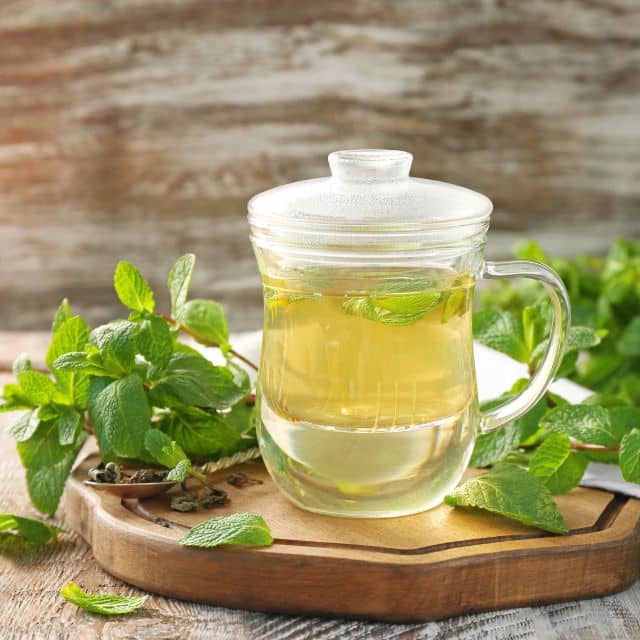
Estimated reading time: 6 minutes
History and Origin
Lemon balm has a long history stretching back several thousand years. It originates from the eastern Mediterranean region and Western Asia, but has since spread throughout the world. The genus name Melissa comes from the Greek word for honeybee, because the plant’s flowers are highly attractive to bees.
From Antiquity to Monastery Gardens
In antiquity, the Greeks and Romans used lemon balm as a remedy for stress and nervousness, and the herb was also used in wound treatment. In the Middle Ages, lemon balm was a staple of monastery gardens, where monks grew it for its healing properties. Today, the herb remains popular, especially in teas and herbal remedies, where it is valued for its calming and digestive properties.
Flavor and Aroma
Lemon balm has a mild, sweetish lemon flavor with a light minty undertone. The aroma is fresh and delicate, coming from essential oils, primarily citral and citronellal, the same compounds that give citrus fruits their scent. The flavor is less sharp than lemon zest and has a softer, rounder character.
The aroma is volatile and weakens with strong heat, so lemon balm is best enjoyed fresh or added late in cooking. Its fresh flavor makes the herb ideal for drinks, desserts and light summer dishes where a hint of lemon is desired without the acidity of fresh lemon juice.
Culinary Uses
Lemon balm is a versatile herb that adds a fresh, citrusy flavor to both sweet and savory dishes. It is most often used fresh, as the dried version loses much of its aroma.
In Danish Cuisine
In Danish homes, lemon balm is best known as a tea herb and as a fresh flavoring in summer drinks. It’s wonderful in homemade iced tea, in cordial and as a garnish on desserts. Finely chopped leaves lift a fruit salad or a summer berry dessert, and the herb pairs especially well with strawberries and rhubarb.
Internationally
In Mediterranean and Middle Eastern cuisine, lemon balm is used in salads, marinades and fish dishes, where its citrus note adds freshness. The herb also features in classic herbal tea blends and liqueurs. In German and Austrian tradition it’s called Melisse and used in both tea and baking. Everywhere, it’s valued for its ability to add lemon aroma without acidity.
How to Use Lemon Balm
- Fresh herbal tea from fresh or dried leaves
- Fresh flavoring in cordial, iced tea and cocktails
- Garnish and aroma on desserts, cakes and fruit salads
- Finely chopped in green salads and fish dishes
- Together with berries, honey and ginger in sweet dishes
Finely chop lemon balm leaves and freeze them in ice cube trays filled with water or a mild sugar syrup. The ice cubes can be used to add a refreshing, lemony flavor to water, iced tea or cocktails.
Tips and tricks from the author: Morten Jensen
Health Benefits
Lemon balm isn’t just known for its pleasant flavor, but also for its content of beneficial plant compounds. The following is general nutritional knowledge, not health advice.
Calming Properties
Lemon balm is traditionally best known for its calming properties and is often used as a natural remedy for stress, restlessness and sleep difficulties. It’s frequently included in evening teas, often combined with chamomile or lavender, where its mild lemon flavor supports a relaxing effect.
Antioxidants and Digestion
The herb contains flavonoids and phenolic acids with antioxidant properties that help protect cells against free radicals. Lemon balm has also traditionally been used to relieve mild digestive discomfort such as bloating and upset stomach, and it’s a good source of vitamin C.
- Vitamin C for normal immune system function
- Flavonoids and phenolic acids with antioxidant effects
- Small amounts of vitamins A and B, plus minerals such as calcium, magnesium and potassium
Growing
Lemon balm is one of the easiest herbs to grow in Denmark. It’s hardy, perennial and comes back readily year after year. In fact, it can spread vigorously, so many gardeners choose to grow it in a pot to keep it in check.
How to Grow Lemon Balm
Total time: The whole growing season
- Location and Soil
Choose a spot in full sun or light partial shade. Lemon balm thrives in well-drained, slightly acidic to neutral soil and does well in both beds and pots.
- Sowing or Planting
Sow seeds indoors in early spring or plant out a young plant after the last frost. In beds: keep good spacing, as the plant spreads. In pots: use a roomy container with drainage holes.
- Watering and Care
Keep the soil evenly moist, but avoid overwatering, which can cause root rot. Water preferably in the morning. Apply a light, organic fertilizer in spring — too much fertilizer weakens the aroma.
- Harvest and Pruning
Snip leaves continuously through summer, preferably before flowering for the best aroma. Prune the plant after flowering to encourage new, fresh shoots.
Storage
Lemon balm is best fresh, as its volatile aroma fades quickly. Store it fresh in the refrigerator in a bag or a glass of water, where it will keep for several days.
Drying and Freezing
- Drying: hang bunches in a dry, dark place; store the dried leaves airtight for up to a year (though the aroma will fade)
- Freezing: chop the leaves and freeze them in ice cubes with a little water or sugar syrup to best preserve the fresh flavor
- Avoid direct sunlight and heat when storing dried leaves
Try This Recipe
Lemon balm’s fresh lemon note is practically made for tangy-sweet desserts. Sprinkle finely chopped leaves over our Baked Rhubarb in the Air Fryer – Tangy-Sweet and Ready in 22 Minutes, where the herb lifts the rhubarb’s tartness with a touch of summer.
Equipment and Products
Fresh lemon balm deserves a good cup of tea, and an aromatic hot chocolate makes a warm counterpart to the herb’s fresh lemon note during the cold season. Check out our selection of hot drinks in the shop, for example Van Houten Cocoa Sachets, 100 pcs., which you can serve alongside a fresh cup of lemon balm tea.
Frequently Asked Questions
Lemon balm has a mild, sweetish lemon flavor with a light minty undertone. The aroma is softer and less sharp than lemon zest and comes from essential oils such as citral and citronellal.
Yes, lemon balm is one of the easiest herbs to grow in Denmark. It’s hardy, perennial and comes back year after year. It can spread vigorously, so many gardeners grow it in a pot to keep it in check.
Place a handful of fresh leaves (or a tablespoon of dried) in a cup, pour boiling water over them, and let it steep for 5-10 minutes. The tea has a calming, lemony flavor and is often enjoyed in the evening.
Fresh is best, as the volatile aroma weakens when dried. If you want to store the herb, freezing it in ice cubes preserves the flavor better than drying. Dried leaves can still be used for tea, though.
Lemon balm is used fresh in tea, cordial, cocktails and desserts, as well as a garnish and flavoring in fruit salads, fish dishes and green salads. It pairs especially well with berries such as strawberries and raspberries.
Facts About Lemon Balm
| Field | Value |
|---|---|
| English name | Lemon Balm |
| Latin name | Melissa officinalis |
| Family | Mint family (Lamiaceae) |
| Plant type | Perennial, hardy herb |
| Height | 40-80 cm |
| Origin | Eastern Mediterranean region and Western Asia |
| Light | Full sun to light partial shade |
| Soil | Well-drained, slightly acidic to neutral |
| Sow/plant | Seeds in early spring; transplant after frost |
| Harvest | Summer; leaves before flowering for best aroma |
| Flavor | Mild, sweetish lemon with a light minty undertone |
| Culinary use | Tea, cordial, desserts, salads, fish, berries |
| Storage | Best fresh; freeze in ice cubes; drying possible |
