

Lovage is an ancient herb that has been used in both cooking and folk medicine throughout the ages. With a robust flavor reminiscent of both celery and parsley, it has become a popular ingredient in soups, stews, and broth. Beyond its culinary uses, it also has a long tradition as a medicinal herb.

Advertisement: The page displays ads and contains advertising links (affiliate links). See our advertisers here.
In this entry, we go through everything you need to know about lovage: where it comes from, what it tastes like, how to use it in cooking, how to grow it yourself, and how to best store the leaves, seeds, and roots.
Estimated reading time: 5 minutes
What Is Lovage?
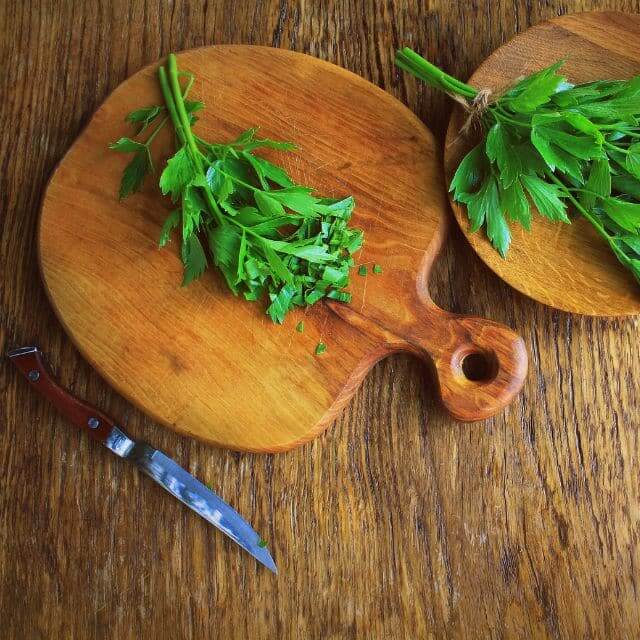
Lovage (Levisticum officinale) is a perennial herb in the carrot family (Apiaceae). It can grow up to two meters tall and has feathery leaves reminiscent of celery leaves. Both the leaves, stalks, roots, and seeds can be used in the kitchen, making it an unusually versatile herb.
Characteristics
- Family: The carrot family (Apiaceae), the same family as celery, dill, and carrots.
- Growth: A robust, perennial plant that dies back in winter and sprouts again in spring.
- Versatility: The leaves, roots, and seeds can all be used, each with its own flavor profile.
History and Origin
Early History
Lovage originally comes from southern Europe and the Mediterranean region, but is now widespread across much of the world. It was valued early on as both a culinary and medicinal herb, and in the Middle Ages it was a staple of monastery gardens, where monks grew it for its digestive properties.
Spread to the Nordic Region
In Denmark, lovage has been cultivated for centuries, often found in farmhouse gardens and kitchen gardens. It was known as a robust and reliable perennial that returned year after year with little care. Historically, it was used medicinally against digestive problems and respiratory illnesses, while today it is primarily used as a flavoring in Danish cuisine.
Taste and Aroma
Lovage has an intense, distinctive flavor that is closely related to celery, but with a stronger and more peppery undertone. Some describe it as a blend of celery, parsley, and a hint of Maggi seasoning. This is precisely why it is often colloquially called ‘Maggi herb,’ because its flavor resembles the well-known soup seasoning.
The aroma is strong, so a small amount goes a long way. The young leaves are the mildest, while older leaves, seeds, and roots have the most concentrated flavor. The seeds have a warm, slightly anise-like character, while the roots taste similar to parsnip.
Culinary Uses
Lovage’s intense flavor makes it a versatile herb in the kitchen. It is classically used to add depth to soups, stocks, and broths, but can also be used more sparingly in salads and marinades.
In Danish Cuisine
In Denmark, lovage is closely associated with the soup pot. A handful of leaves adds a full-bodied, celery-like flavor to chicken soup, vegetable soup, and stock bases. It is also used in marinades for meat, especially poultry and pork, where it lends an aromatic depth.
- Add fresh leaves to potato soup for an intense, peppery flavor.
- Simmer the roots in stews, where they contribute a parsnip-like sweetness.
- Use the seeds as a seasoning in baked goods, bread, and stews.
- Make broth by simmering the leaves together with carrots, onions, and celery.
Internationally
In Central European cuisine, lovage is a staple soup seasoning, and in Germany and Poland it is widely used in clear soups and stews. In England, it has a tradition as a salad herb, and fresh leaves can be used to add character to green salads. Its intense celery note also makes it a great ingredient in vegetarian dishes, where it replaces the richness of meat with a flavor boost.
Growing
Lovage is easy to grow and requires minimal maintenance. It is a robust, perennial herb that thrives in the Danish climate and returns year after year. One well-established plant can supply an entire household with leaves throughout the season.
How to Grow Lovage
Total time: 6-8 weeks
- Choose a location
Choose a spot with moist, well-drained, nutrient-rich soil. Lovage thrives in both full sun and partial shade.
- Sow the seeds
Sow seeds directly in the ground in spring once the risk of frost has passed, or start indoors six to eight weeks before the last frost.
- Transplant
Transplant the seedlings with 60-90 cm spacing, as the plant grows large and spreads widely.
- Water and maintain
Keep the soil moist during dry periods, apply organic fertilizer during the growing season, and remove flower buds to preserve leaf quality.
Care and Overwintering
Once lovage is established, it requires minimal care. Keep the soil moist during dry periods, and feed the plant organic fertilizer now and then to ensure healthy growth. Remove older leaves and flower buds to maintain a compact plant shape and encourage new, fresh leaves. In winter, the plant usually dies back to the roots and grows again in spring.
Storage
Lovage retains its flavor best when handled properly after harvest. Both fresh and dried leaves can be used, but each has its own strengths.
Refrigerating and Freezing
- Fresh leaves keep for a few days in the refrigerator, wrapped loosely in damp paper towel.
- Chop the leaves and freeze them in small portions in ice cube trays with a little water or oil.
- Dry leaves slowly in an airy, dark room, and store them in airtight jars away from light.
- Roots can be stored cool and dark like other root vegetables.
Health and Precautions
Lovage has traditionally been used as a medicinal herb, among other things for its diuretic and digestive properties. The plant contains vitamin C and essential oils, and the dried roots and seeds have historically been used in herbal teas. Modern documentation is limited, however, and the herb should be regarded as a flavoring rather than a medicine.
- Pregnancy: Pregnant women should avoid large amounts of lovage, as it is traditionally believed to stimulate the uterus.
- Kidney problems: People with kidney problems should consult a doctor before using lovage as a diuretic.
It is always a good idea to consult a healthcare professional before using the herb as a dietary supplement, especially if you have any medical conditions. This is not medical advice.
Try This Recipe
Lovage’s rich celery note makes it perfect for stews, where it slowly releases its flavor into the stock and pan juices. A handful of chopped leaves in the pot lifts both the aroma and depth. Try it in our Pork Tenderloin Casserole in the Airfryer – Easy and Delicious Everyday Food, where the herb pairs beautifully with the tender meat and creamy sauce.
Equipment and Products
To get the most out of lovage’s flavor, a sharp herb knife and a good soup pot are indispensable. If you want to season your stews further, a great seasoning like Potato Salt Vestjyske Delikatesser can be a fine complement to the herbal notes in soup and stock.
Frequently Asked Questions
Lovage has an intense flavor that closely resembles celery, but with a stronger and more peppery undertone. It is often called ‘Maggi herb,’ because its flavor resembles the classic soup seasoning.
Yes, young leaves can be used raw in salads, but because the flavor is very intense, they should be used sparingly. Older leaves are best used in cooked dishes like soups and stews.
Yes, lovage is a robust perennial plant. It dies back to the roots in winter and sprouts again in spring, year after year.
Fresh leaves keep for a few days in the refrigerator. For longer storage, you can freeze chopped leaves in portions or dry them and store them in airtight jars away from light.
Normal culinary amounts are generally considered unproblematic, but pregnant women should avoid large amounts, as the herb is traditionally believed to stimulate the uterus. Always ask your doctor if in doubt.
Facts About Lovage
| Field | Value |
|---|---|
| English name | Lovage |
| Latin name | Levisticum officinale |
| Family | Carrot family (Apiaceae) |
| Plant type | Perennial plant |
| Height | Up to 2 meters |
| Light | Full sun to partial shade |
| Soil | Moist, well-drained, nutrient-rich |
| Sow/plant | Spring, after last frost |
| Harvest | Leaves throughout the season; seeds late summer |
| Flavor | Intense, celery-like, peppery |
| Culinary use | Soups, stocks, broths, stews, marinades |
| Storage | Fresh for a few days; freeze or dry for winter use |
