

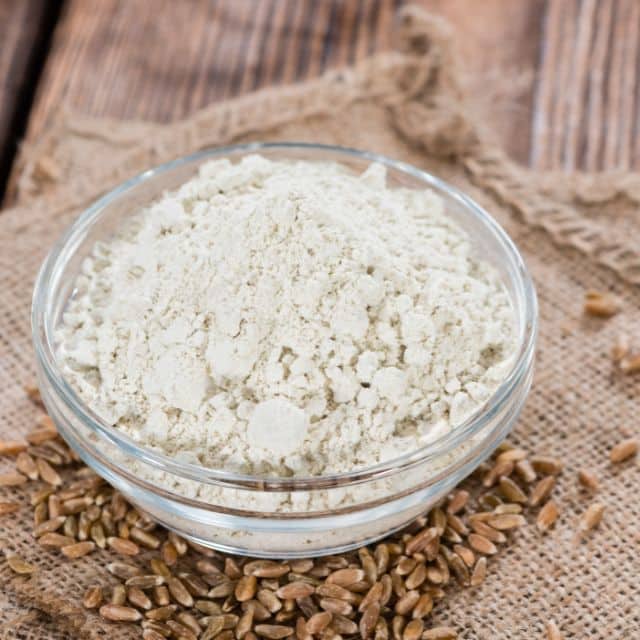
Spelt flour is a nutrient-rich flour that comes from the ancient wheat variety, spelt (Triticum spelta). Spelt is one of the oldest grain varieties, and its use can be traced back to around 5000 BC. Unlike modern wheat, which has been intensively bred to increase yield and improve baking properties, spelt has remained largely unchanged over millennia. This makes it a more natural and less processed product.

Advertisement: The page displays ads and contains advertising links (affiliate links). See our advertisers here.
Spelt flour is known for its nutty flavor and slightly sweet aroma. This makes it a popular choice among bakers and chefs who want to add a deeper flavor to their dishes. Although it contains gluten, the gluten in spelt is easier to digest than that found in regular wheat. This makes spelt flour a good alternative for people who experience mild gluten sensitivity, although it is not suitable for those with celiac disease.
Estimated reading time: 6 minutes
History and Origin
Spelt has a long and rich history spanning several thousand years. It was originally cultivated in the Middle East and later spread to Europe, where it became an important crop in ancient Greece and Rome. Spelt was one of the first grain varieties cultivated in Denmark, and it was used extensively until the Middle Ages, when it was gradually replaced by modern wheat. In recent decades, interest in spelt has experienced a resurgence due to its nutritional benefits and sustainability.
About Danish Spelt Flour
In Denmark, spelt flour has earned a special place in many kitchens, especially among those who value organic and sustainable cooking. Danish spelt flour is often produced organically, meaning it’s grown without the use of synthetic pesticides and artificial fertilizers. This not only benefits the environment but also ensures the flour is free from harmful chemicals. Organic spelt flour can be used in a wide range of recipes, from bread and cakes to pasta and pancakes, and its unique flavor adds an extra dimension to any dish.
Nutritional Value
Vitamins and Minerals
Spelt flour is a rich source of several essential vitamins and minerals. It contains a significant amount of B vitamins, including niacin (B3), thiamine (B1) and riboflavin (B2), all of which play an important role in the body’s energy metabolism and nervous system function. Niacin helps convert food into energy, thiamine is necessary for cell growth and function, and riboflavin contributes to skin health and iron metabolism.
Spelt flour is also rich in minerals such as iron, magnesium, phosphorus and zinc. Iron is essential for the production of red blood cells and the transport of oxygen in the body, while magnesium is important for muscle function and heart health. Phosphorus is necessary for healthy bones and teeth, and zinc plays a role in the immune system and in wound healing.
In addition, spelt flour contains a high amount of fiber, which contributes to healthy digestion and can help regulate blood sugar levels. Fiber is also associated with a reduced risk of heart disease and certain types of cancer.
Health Benefits
There are several health benefits to including spelt flour in your diet. First, the high fiber content can help maintain a healthy weight by promoting a feeling of fullness, which can prevent overeating. The fiber also helps stabilize blood sugar levels, making spelt flour a good choice for people with type 2 diabetes or those who want to prevent it.
Spelt flour also contains a lower level of gluten than regular wheat, which makes it easier to digest for some people. This can reduce discomfort such as bloating and digestive issues that some experience when consuming wheat-based products.
In addition, spelt flour has a higher protein content compared to modern wheat, which is important for the body’s tissue and muscle repair. The essential fatty acids also found in spelt contribute to brain health and may have anti-inflammatory properties.
Finally, because spelt is an older grain variety that has been less modified through breeding, it contains more antioxidants than modern wheat. Antioxidants help protect the body against damage from free radicals, which can lead to chronic diseases such as cancer and heart disease.
Culinary Uses
Spelt flour can be used in many different ways in the kitchen, and it’s a versatile alternative to regular wheat flour. It can be used to bake bread, where it gives a lovely nutty flavor and a light, airy crumb. However, due to spelt flour’s slightly lower gluten content, it may be necessary to adjust recipes a bit, especially when it comes to kneading and rising.
When you use spelt flour in baked goods such as cakes and muffins, you’ll find that it gives a softer texture and a slightly sweeter taste. This makes it ideal for recipes where a milder flavor is desired. To achieve the best baking results, it can be a good idea to combine spelt flour with other types of flour, such as white wheat flour or whole grain flour, depending on the recipe.
Let the dough rest a little longer after kneading or mixing than usual – ideally around 10-15 minutes more. This gives the flour time to absorb the liquid properly, which can improve the dough’s structure and make it easier to work with. Tips and tricks from the author: Morten Jensen
Spelt flour is also excellent for making pasta and pancakes. Its nutty flavor complements rich sauces and adds an extra dimension to these dishes. To make spelt pasta at home, you can simply replace regular wheat flour with spelt flour in your favorite recipe. The pasta will have a slightly different texture, but it will be just as delicious and nutritious.
In addition to traditional baked goods and pasta, spelt flour can be used in less conventional recipes, such as pancakes and waffles. It adds a richer flavor and makes breakfast both more interesting and healthier. Spelt flour can also be used as a thickening agent in soups and sauces. Its texture makes it easy to mix without forming lumps, resulting in a smooth and delicious consistency.
Rule of Thumb
When experimenting with spelt flour in the kitchen, it’s important to remember that it absorbs liquid differently than regular wheat, so you may need to adjust the amount of liquid in your recipes. Start with less liquid and add more as needed to achieve the desired consistency.
How to Bake Bread with Spelt Flour
Total time: 2 hours
- Mix the dough
Dissolve yeast in lukewarm water, and add salt and spelt flour a little at a time – hold back slightly on the liquid, as spelt absorbs differently than wheat.
- Knead gently
Knead the dough briefly and gently, 3-5 minutes – spelt’s gluten is more fragile than wheat’s and doesn’t tolerate long kneading.
- Let the dough rise
Let the dough rest and rise covered for about 1 hour – ideally 10-15 minutes longer than a wheat dough, so the flour has time to absorb the liquid.
- Shape and proof
Gently shape a loaf or rolls without releasing too much air, and let them proof for 20-30 minutes.
- Bake the bread
Bake the bread in the air fryer at 160-180 degrees, until it’s golden and sounds hollow when you tap the bottom.
Storage
- Store the spelt flour in an airtight container, in a dry, cool and dark place
- Sifted spelt flour typically keeps for 6-9 months, while whole grain spelt flour should be used within 3-6 months, as the fats in the germ can turn rancid
- Always smell the flour before baking – rancid flour has a sharp, bitter odor and should be discarded
Conclusion
All in all, spelt flour is a nutritious and flavorful substitute for regular wheat flour that can add a healthy twist to your favorite recipes. Its rich history, nutritional benefits and versatility make it an indispensable element in any kitchen for those who value both flavor and health. By including spelt flour in your daily cooking, you can enjoy the benefits of a more natural and less processed grain while contributing to a sustainable and healthy lifestyle.
Try This Recipe
Spelt flour’s nutty flavor comes into its own in coarse, rustic bread. Try swapping some of the flour for spelt in our Kneipp bread in the air fryer – light Norwegian whole grain bread in 35 minutes.
Equipment and Products
Old grain varieties and organic craftsmanship belong together – like in this organic wheat beer from Møn, which comes remarkably close to the grainy sweetness of spelt. Find it in the shop: Kong Asgers Hvede – Bryghuset Møn Økologisk.
Frequently Asked Questions
Spelt flour is flour milled from spelt (Triticum spelta), an ancient wheat variety cultivated since around 5000 BC. It has a nutty, slightly sweet flavor.
No. Spelt flour contains gluten and is not suitable for people with celiac disease, but the gluten is experienced as easier to digest by some with mild gluten sensitivity.
Spelt flour typically has more protein, more minerals such as iron, magnesium and zinc, and more antioxidants than modern wheat – but both are nutrient-rich grain products.
Almost. Use a little less liquid, knead more briefly and gently, and give the dough 10-15 minutes of extra rest – spelt’s gluten is more fragile than wheat’s.
Sifted spelt flour typically keeps for 6-9 months in an airtight container, while whole grain spelt flour should be used within 3-6 months.
Facts About Spelt Flour
| Field | Value |
|---|---|
| Raw material | Spelt (Triticum spelta) |
| Origin | Cultivated since c. 5000 BC |
| Calories | Approx. 340 kcal per 100 g |
| Protein | Approx. 13-15 g per 100 g |
| Gluten | Yes (more fragile than in modern wheat) |
| Flavor | Nutty and slightly sweet |
| Typical uses | Bread, rolls, cakes, pasta, pancakes |
| Storage | Airtight, dry, cool and dark |
| Shelf life | 6-9 months (whole grain: 3-6 months) |
