

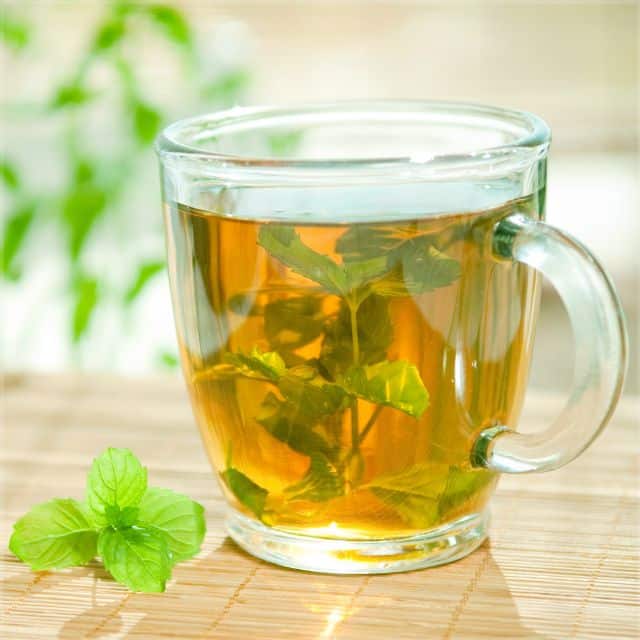
Green mint (Mentha spicata), also known as spearmint — the flavor you know from chewing gum — is one of the most popular herbs in the world. It has a fresh, mild and slightly sweet flavor that makes it versatile in both sweet and savory dishes, as well as in tea and beverages.

Advertisement: The page displays ads and contains advertising links (affiliate links). See our advertisers here.
The mint plant is known for its characteristic oblong, wrinkled leaves and small, purple flowers, which often attract bees and butterflies in the garden. This herb has been used for centuries across different cultures, both as a natural remedy and as a flavoring in food and drinks. You can read more about growing mint from specialized gardening sources.
Estimated reading time: 6 minutes
History and origin
Mint belongs to the mint family (Lamiaceae) and has been a fixture in the history of culinary and medicinal herbs since ancient times. The genus Mentha originates from Europe and Asia, where it has grown wild along streams and damp meadows for thousands of years.
From the ancient Mediterranean
Both the Greeks and the Romans held mint in high regard. According to Greek mythology, the plant is named after the nymph Minthe, and the herb was used to scent rooms, as a table decoration, and as a digestive aid after meals. The Romans carried mint with them on their travels through Europe, spreading its cultivation far to the north.
Spread to Europe
In the Middle Ages, mint was cultivated extensively in monastery gardens, where monks used it both as a culinary herb and a medicinal plant. From there, it spread to ordinary household gardens, and today green mint is one of the most widespread herbs in the world — easy to grow and hardy enough to thrive in the Danish climate.
Flavor and aroma
Green mint has a milder and sweeter flavor than its close relative, peppermint. This is because green mint contains relatively little menthol and is instead rich in the aroma compound carvone, which gives it its fresh, almost velvety character. Where peppermint can be sharp and cooling, green mint is round and refreshing — making it more versatile in cooking.
The aroma is most pronounced in fresh leaves picked in the morning, when the essential oils are most concentrated. Drying mutes the scent somewhat, but the base flavor remains, and dried leaves are still good for tea and spice blends.
Culinary use
Green mint is widely used in the kitchen because of its fresh flavor, which can lift both sweet and savory dishes. The leaves can be used fresh or dried and go into everything from salads and sauces to desserts and beverages.
In the Danish kitchen
In Denmark, mint is especially known for its use in desserts and drinks. The finely chopped herb is sprinkled over fruit salads, strawberries, and chocolate desserts, and it’s essential in a homemade mint tea. Mint also goes well with new potatoes and peas, where a few fresh leaves add a summery freshness.
Internationally
In many cultures, mint is an important ingredient in traditional dishes. In the Middle East, it’s used in tabbouleh and falafel, while in India it’s often added to chutneys and curry dishes. Green mint is also a popular ingredient in drinks such as mojitos and Moroccan mint tea, where it adds a refreshing flavor. In Greek and Turkish cuisine, mint often accompanies lamb and minced meat.
You can make mint butter by finely chopping fresh mint leaves and mixing them with softened butter, a splash of lemon juice, and a pinch of salt. This mint butter can be used on grilled meat, fish, or vegetables.
Tips and tricks from the author: Morten Jensen
Fresh or dried leaves
Mint leaves can be used fresh or dried. They can be finely chopped and sprinkled over salads, mixed into sauces, or used as a garnish on desserts. Always add fresh mint at the end of cooking, as heat quickly breaks down the volatile aromas and flattens the flavor.
Health benefits
Beyond its culinary versatility, mint has traditionally been used for a range of beneficial properties. The plant contains active compounds, including menthol, which have been associated with relief from several common ailments.
Benefits for digestion
Mint is known for its digestive properties, which make it a popular ingredient in tea and supplements. For example, green mint can help relieve bloating, cramps, and nausea. When consumed as tea, mint can stimulate saliva and bile production, which aids digestion and helps break down fats in the stomach.
Many people drink green mint tea after meals to aid digestion and prevent stomach discomfort. Some studies also suggest that green mint can relieve symptoms of irritable bowel syndrome (IBS), because menthol’s antispasmodic effect can reduce muscle contractions in the intestines.
Respiratory support
Menthol has a relaxing effect on the smooth muscles of the airways, which can ease breathing. That’s why green mint is a common ingredient in inhalers and ointments used to relieve symptoms of colds, coughing, and sinusitis. Used in aromatherapy, the steam can open the nasal passages and relieve congestion.
- Can relieve bloating, cramps, and nausea
- Promotes saliva and bile production during digestion
- Menthol has a relaxing effect on the muscles of the airways
- Used in aromatherapy for a stuffy nose
Note that mint is a dietary supplement and not a substitute for medical treatment. If symptoms persist, you should always contact your doctor.
Growing
Green mint is relatively easy to grow and doesn’t require much maintenance, making it an ideal herb for both beginners and experienced gardeners.
Growing conditions
The plant thrives best in moist, well-drained soil and can grow in both full sun and partial shade. Mint is known for being an aggressive plant that can quickly spread via underground runners, so it’s a good idea to grow it in pots or contain its growth in the garden to prevent it from taking over other plants. Mint plants can grow up to 60 cm tall, and regular pruning promotes denser, healthier growth.
Growing in Denmark
In Denmark, green mint thrives well, especially during the summer months, when the climate is mild and humid. The plant can, however, also survive through the cooler months, especially if planted in a sheltered spot or grown indoors in pots. In winter, you can cover the plants with straw to prevent frost damage, or move the pots indoors. Also keep an eye out for pests, especially slugs, which are attracted to the juicy leaves.
How to grow mint
Total time: 6 weeks
- Choose a growing spot
Choose a pot or a contained bed with moist, well-drained soil in sun or partial shade.
- Plant the mint
Plant a cutting or a small mint clump, keeping good spacing, as the plant spreads quickly.
- Water and keep moist
Water regularly so the soil stays consistently moist, especially during dry periods.
- Prune the plant
Prune regularly to encourage dense growth and prevent flowering, which diminishes the flavor.
- Harvest the leaves
Harvest the leaves after about six weeks, once the plant has established itself well.
Storage
When it comes to harvesting green mint, it’s best to cut the leaves early in the morning, when the essential oils are most concentrated. Regular harvesting promotes new growth and prevents the plant from flowering, which can otherwise reduce the flavor of the leaves.
Refrigeration and freezing
Fresh mint leaves keep for 5-7 days in the refrigerator, ideally wrapped loosely in a damp paper towel. Freezing preserves the flavor best: place the washed and dried leaves in freezer bags, or freeze finely chopped mint in ice cube trays with a little water.
Drying
- Hang the leaves in bundles in a dry, airy spot
- Once completely dry, store them in airtight containers
- Place the container somewhere cool and dark — this way the mint keeps for up to a year
Try this recipe
Mint and lamb are a classic Mediterranean duo, where the herb’s freshness cuts through the rich meat and lifts the whole dish. Stir finely chopped mint into the meat mixture or serve it as a fresh accompaniment — the result is juicy, aromatic patties. Try our Lamb Meatballs in the Airfryer – Spiced Mediterranean Patties in 15 Minutes and discover how well mint pairs with lamb.
Equipment and products
If you don’t have fresh mint on hand, you can still get that fresh flavor in a glass. Naturfrisk Myntebrus captures mint’s refreshing character and is an easy alternative when you want to serve something cool and aromatic alongside your summer dishes.
Frequently asked questions
Green mint (Mentha spicata) has a mild, sweet flavor with low menthol content, while peppermint is sharper and more cooling. Green mint is therefore best for cooking, while peppermint is often used in tea and candy.
Fresh leaves keep for 5-7 days in the refrigerator, wrapped loosely in damp paper towel. For longer storage, you can freeze the leaves in freezer bags or dry them and store them airtight in a cool, dark place.
Mint is traditionally used for its digestive properties and can relieve bloating and nausea. Many people drink mint tea after meals. If symptoms persist, however, you should contact your doctor.
No, mint is very easy to grow and nearly impossible to kill. However, it spreads aggressively via underground runners, so it’s best grown in a pot or a contained bed.
The leaves have the most aroma when picked early in the morning, before the plant flowers. Always add fresh mint at the end of cooking, as heat quickly breaks down the volatile aromas.
Facts about mint
| Field | Value |
|---|---|
| Latin name | Mentha spicata |
| Family | Mint family (Lamiaceae) |
| Origin | Europe and Asia |
| Plant type | Perennial herb |
| Height | Up to 60 cm |
| Season in Denmark | May-October |
| Flavor | Fresh, mild and sweet |
| Culinary use | Salads, lamb, desserts, tea and drinks |
| Storage | Refrigerate 5-7 days; can be frozen or dried |
