

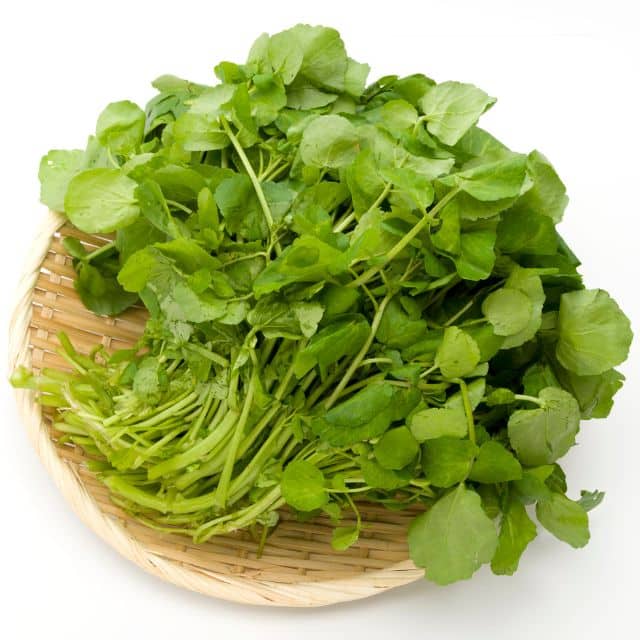
Watercress (Nasturtium officinale) is an often overlooked yet truly excellent herb that has been used for centuries for its sharp, peppery flavour and its high content of vitamins and minerals. Unlike most other culinary herbs, watercress is an aquatic plant that grows in the wild in running water along streams and springs — hence the name.

Advertisement: The page displays ads and contains advertising links (affiliate links). See our advertisers here.
The fresh, mustard-like sharpness makes watercress a natural flavour booster in salads, sandwiches, soups and as a garnish. In this article, we take a closer look at the herb’s history, flavour, culinary uses and cultivation — and how to get the most out of its characteristic bite.
Estimated reading time: 6 minutes
History and origin
Watercress originates from Europe and Western Asia, where it has grown wild along waterways and springs since antiquity. The plant was already known and valued in ancient Greece and Rome, where it was believed to strengthen the body’s resistance. According to tradition, the Greek Hippocrates grew watercress near his hospital for its health-promoting properties.
From monastery gardens to the modern kitchen
In the Middle Ages, watercress was an important herb in monastery gardens and was used to treat a range of ailments. In the 19th century, it was grown commercially in large water beds, especially in England, where it became a popular and inexpensive vegetable. Today, watercress is known for its sharp, peppery flavour and high nutrient content, and is used both in salads and as a garnish in modern dishes.
Flavour and aroma
Watercress has a pronounced, mustard-like sharpness reminiscent of radish and rocket, but with its own distinctly fresh, green bite. The peppery flavour comes from its content of glucosinolates — the same sulphur-containing compounds that give mustard, radish and other cruciferous plants their characteristic sharpness.
The sharpness is strongest in fresh, raw leaves and fades with heating. That’s why watercress comes into its own raw in salads and sandwiches, or added towards the end of cooking. Used in a soup, it lends both a fresh, peppery flavour and a beautiful green colour.
Culinary uses
Watercress is a versatile herb whose fresh sharpness can elevate simple dishes. It’s most often used raw, but also works well lightly cooked.
In Danish cuisine
In Danish cuisine, watercress is used mainly as a fresh, peppery addition to salads and as a garnish on smørrebrød (open sandwiches), especially with fish and eggs. Its sharp flavour is a good counterpoint to rich, creamy toppings such as smoked salmon, egg salad and liver pâté. Mixed into a green salad with tomato and cucumber, it adds both bite and freshness.
Internationally
In English cuisine, watercress is a classic, both in sandwiches and in the traditional watercress soup — a creamy, green soup. In French cuisine, it features in potage cressonnière, a potato and watercress soup. Everywhere, the herb is valued for its ability to add a sharp, fresh counterpoint to mild and creamy ingredients.
How to use watercress
- Raw in green salads with tomato, cucumber and a light vinaigrette
- As a fresh, peppery topping on smørrebrød (open sandwiches) and sandwiches
- In creamy soups such as watercress soup or potage cressonnière
- Blended with olive oil into a green herb oil
- With fish, especially salmon and trout, as well as avocado and cream cheese
Blend fresh watercress with olive oil to make a flavourful, green oil that can be drizzled over salads, soups or grilled vegetables.
Tips and tricks from the author: Morten Jensen
Health benefits
Watercress is considered one of the most nutrient-dense vegetables you can eat, with a high content of vitamins and minerals relative to its low calorie content. The following is general nutritional knowledge, not health advice.
Vitamins and minerals
The herb is an excellent source of vitamin K, which is important for bone health and the blood’s ability to clot. It also contains significant amounts of vitamin C and vitamin A, as well as minerals such as calcium, magnesium and potassium.
- Vitamin K for bones and normal blood clotting
- Vitamin C for the normal function of the immune system
- Vitamin A (as beta-carotene) for vision and skin
- The antioxidants lutein and zeaxanthin
Antioxidants and digestion
Watercress contains antioxidants that help protect cells from free radicals. The herb also contains dietary fibre that supports normal digestion, and it has traditionally been used for its mildly diuretic properties.
Growing
Watercress is an aquatic plant and differs from most other culinary herbs in requiring abundant, constant water. In the wild it grows in running water, but in the garden it can easily be grown if you provide permanently moist soil.
How to grow watercress
Total time: The entire growing season
- Location
Choose a moist spot in partial shade to full sun. Watercress thrives at the water’s edge of ponds and streams, but can also be grown in pots standing in a water-filled saucer.
- Sowing or cuttings
Sow seeds in moist, slightly acidic to neutral soil in early spring, or place cuttings of fresh shoots directly in water, where they quickly form roots.
- Watering
Keep the soil constantly moist — watercress must never dry out. If growing in a pot, stand it in a bowl of water that you change regularly to keep it fresh.
- Care and harvest
Apply only sparse, organic fertiliser; too much nitrogen can weaken the flavour. Trim leaves and shoots regularly, ideally before flowering, when the flavour is best and mildest.
An important caveat: wild watercress from natural waterways should not be picked and eaten raw, as it may carry parasites from polluted water or animals. Grow your own in clean water instead, or buy it from a shop if you want to enjoy it raw.
Storage
Watercress is very delicate and should be used quickly after harvesting or buying. Fresh, it keeps best in the fridge with the stems in a glass of water, loosely covered with a bag, for up to a week.
Freezing
- Raw watercress doesn’t freeze well, as the leaves turn limp
- Chop the herb and freeze it in ice cube trays with a little oil or water for use in soups and sauces
- Blended herb oil can be frozen in portions and used straight from the freezer
Try this recipe
Watercress’s peppery sharpness is the perfect counterpoint to rich, succulent salmon. Serve a handful of fresh leaves alongside our Mexican salmon in the airfryer – juicy and spicy in 20 minutes, where the herb’s freshness cuts through the richness of the fish.
Equipment and products
Watercress and smoked salmon are a classic combination on smørrebrød, where the herb’s bite balances the fish’s richness and smokiness. Try a handful of fresh leaves on top of our Cold-Smoked Salmon for a simple yet elegant piece of smørrebrød.
Frequently asked questions
Watercress has a pronounced, mustard-like and peppery sharpness reminiscent of radish and rocket, but with its own fresh, green bite. The sharpness comes from sulphur-containing glucosinolates and is strongest in raw leaves.
Yes. Watercress is a true aquatic plant that grows in the wild in running water along streams and springs. In the garden, it requires permanently moist soil and can be grown at the water’s edge or in a pot standing in water.
Wild watercress from natural waterways should not be eaten raw, as it may carry parasites from polluted water or animals. Grow your own in clean water, or buy it from a shop if you want to enjoy it raw.
Watercress is delicate and should be used quickly. Fresh, it keeps best in the fridge with the stems in a glass of water, loosely covered with a bag, for up to a week.
Watercress is used raw in salads and on smørrebrød, as a garnish, in creamy soups such as watercress soup, and blended into a green herb oil. It’s especially good with fish such as salmon and trout, as well as eggs and creamy toppings.
Facts about watercress
| Field | Value |
|---|---|
| English name | Watercress |
| Latin name | Nasturtium officinale |
| Family | Cabbage family (Brassicaceae) |
| Plant type | Perennial aquatic and marsh plant |
| Origin | Europe and Western Asia |
| Light | Partial shade to full sun |
| Soil | Constantly moist, slightly acidic to neutral; running water ideal |
| Sow/plant | Seeds in early spring; cuttings root easily in water |
| Harvest | Leaves and shoots on an ongoing basis, before flowering for the mildest flavour |
| Flavour | Sharp, mustard-like and peppery; freshest raw |
| Key nutrients | Vitamin K, C and A, plus calcium, magnesium and potassium |
| Culinary use | Salads, smørrebrød, soups, herb oil, fish |
| Storage | Best fresh; stems in water, chilled; freezes poorly raw |
